
Guide
British Columbia Beauty Travel Guide: Packing and Salon Planning by Region
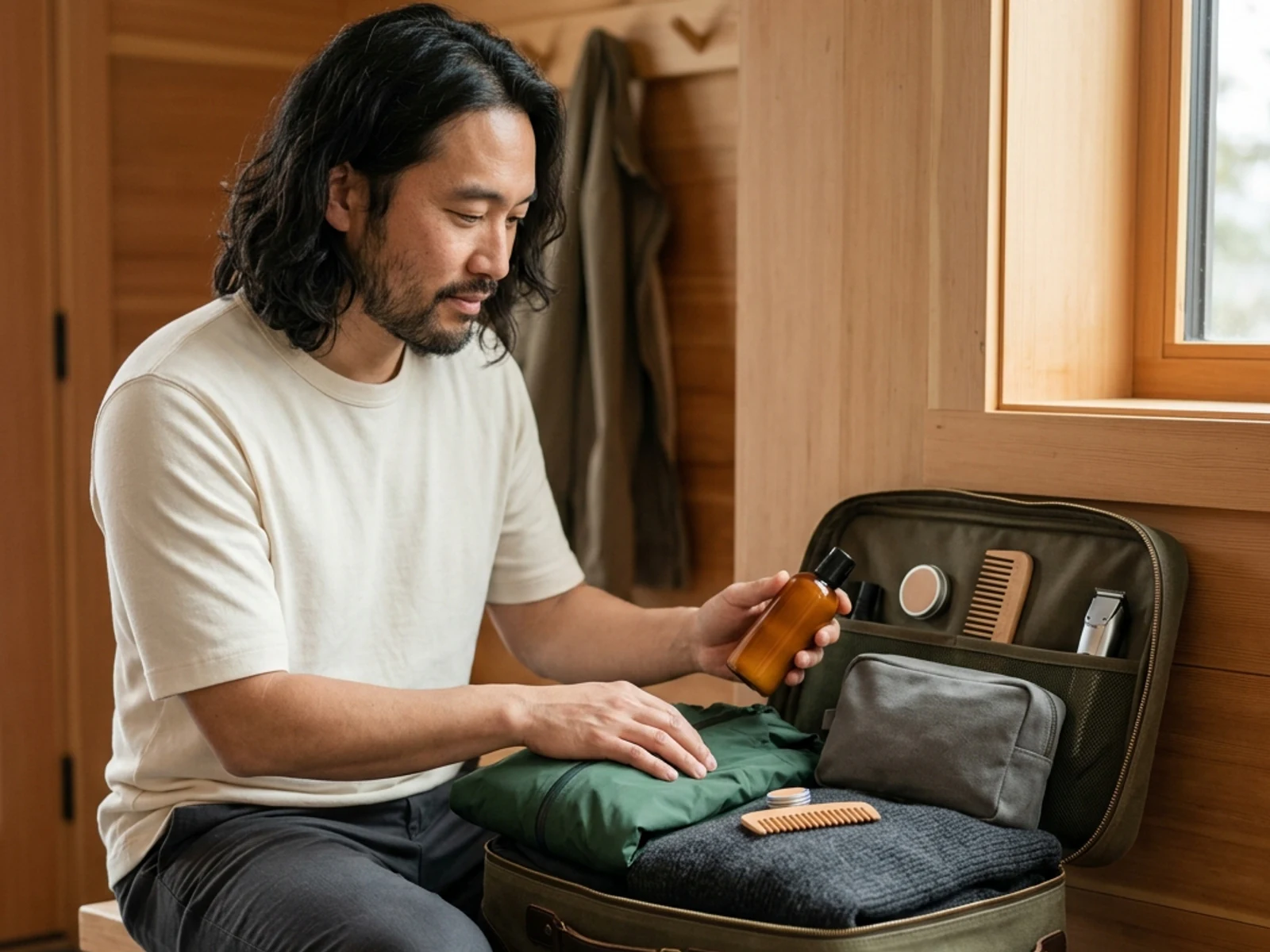
British Columbia beauty planning should begin with the destination region and season. The Pacific coast, Lower Mainland, Vancouver Island, Interior, mountain areas and north have distinct patterns, so a routine based only on Vancouver or a generic idea of rainy BC can be misleading.
Pack a compact core routine, then add products for the conditions supported at the actual destination. Travellers can compare salons in British Columbia when an appointment matters, but no salon service is required for a useful trip plan.
Identify the region before changing the routine
Coastal British Columbia has mild, wet winters and warm, relatively dry summers. The Interior has hot, arid summers and can frequently exceed 30 C. Mountain regions receive heavy winter snow and can change rapidly in any season. Northern British Columbia has longer, more extreme winters than the south and a shorter frost-free summer season.
These are typical climate patterns, not current weather or a promise about a particular travel day. Check a current forecast close to departure, and do not use Vancouver, Victoria, Kelowna or any single station to represent the whole province.
Seasonal planning at a glance
The seasonal table is a regional decision aid. It should not be read as one province-wide routine.
| Period | Typical destination pattern | Regional limit | Practical beauty focus |
|---|---|---|---|
| Winter, approximately November to March | The Pacific coast is wet; Interior and northern destinations have colder winter contexts; mountain regions receive heavy snow | The Lower Mainland typically gets rain rather than heavy snow, although snow occurs | Consider rain-aware styling on the coast and static, dry-feeling skin or lip comfort where cold and dry contexts apply |
| Spring, approximately April to May | Spring is highly variable across the province | Do not infer one rain or temperature pattern for every region | Pack adaptable product textures and optional rain-resistant makeup |
| Summer, approximately June to August | The Interior is hot and arid and can be exceptionally dry; the coast is warm and relatively dry | Interior heat does not describe the coast, mountains or north | Consider cosmetic sun protection and richer moisture inland; avoid assuming coastal rain is the main issue |
| Autumn, approximately September to October | Coastal precipitation increases; September often remains warm in the Interior | Coastal and Interior transitions differ | Recheck makeup wear, hair finish and moisturizer texture for the route |
Summer is the province’s peak travel season, but that does not prove salon demand or product availability in a specific community. Confirm practical details directly.
How the regions differ
Pacific coast
The Pacific coast has mild, wet winters and warm, relatively dry summers. Winter storms are common, and autumn brings a significant increase in coastal precipitation. During wetter periods, rain may affect styled hair and makeup longevity. A humidity-resistant styling category or waterproof eye product may be useful, but neither is required or guaranteed to preserve a look.
Humid coastal air may make heavy creams feel greasy for some people. A lighter lotion may be more comfortable, depending on personal preference and season. This does not mean the coast is uniformly humid or rainy throughout the year.
Lower Mainland
The Lower Mainland typically receives winter rain rather than heavy snow, although snow does happen. That distinction supports rain-aware winter packing, not a claim that every day is wet or that heavy snow never occurs.
For an event, keep hair and makeup options flexible and check the forecast near the appointment. Do not use Lower Mainland conditions to represent Vancouver Island, the Interior, mountains or northern destinations.
Vancouver Island
The west coast of Vancouver Island receives significant, frequent winter rainfall, while conditions differ between the wetter west and drier east. A traveller should therefore check the side of the island, season and planned activities instead of packing for one island-wide rain pattern.
Waterproof eye makeup and a compact anti-frizz option may be useful for a wet west-coast visit. They are optional categories, and neither can guarantee hair or makeup wear.
Interior
The British Columbia Interior has hot, arid summers, frequently exceeds 30 C and can be exceptionally dry in summer. Some travellers may notice tight-feeling skin in that context. A trusted moisturizer, lip product and cosmetic sun-protection format can be practical, with product texture adjusted to personal comfort.
September often remains warm in the Interior. That month-specific pattern applies to the Interior, not the entire province. It can justify keeping warm-season categories available for an early-autumn inland trip without predicting the exact temperature.
Southern Interior
The Southern Interior receives significant winter snowfall compared with the coast. It should not be reduced to the hot, arid summer description of an Interior valley bottom. For a winter route, consider static-prone hair, dry-looking cuticles and a richer cosmetic moisture option, depending on the destination and indoor environment.
Mountain and high-elevation areas
Mountain regions receive heavy winter snow, and their weather can change rapidly regardless of season. Cold mountain air may contribute to chapped-looking lips, while dry mountain air may leave cuticles looking dry. A lip product and cuticle product are compact options.
Winter-sport travellers may prefer a practical nail length because extensions may be at risk during those activities. This is a cosmetic planning suggestion, not a medical warning.
Northern British Columbia
Northern British Columbia has longer, more extreme winters than the south and a shorter frost-free summer season. Cold-season travellers may prefer a richer moisturizer, hand cream and leave-in hair product if skin feels tight or hair becomes static-prone.
Bring any hard-to-substitute item or confirm availability directly instead of assuming a familiar product or service will be easy to find in every northern community.
Adjusting from a different origin climate
Use an origin climate only to identify what may feel unfamiliar. It cannot predict a personal response.
| If you are arriving from… | Destination contrast to check | A cautious starting plan |
|---|---|---|
| A more humid climate | Dry summer conditions in the Interior | Bring a trusted moisturizer, lip product and leave-in conditioner as options |
| A drier climate | Wet-season travel on the Pacific coast or west Vancouver Island | Add one anti-frizz category and optional waterproof eye makeup |
| A warmer climate | Northern or mountain winter travel | Prioritize lip, hand, cuticle and static-control categories |
| A colder climate | Warm Interior summer or mild coastal winter | Pack lighter alternatives, but keep familiar products until comfort is clear |
| A coastal climate | An Interior, mountain or northern destination | Do not assume a familiar coastal routine will suit inland conditions |
For a multi-region trip, use one flexible core rather than duplicating every product. A lighter and richer moisturizer can cover more contexts than several region-labelled routines.
Plan transitions on a multi-region route
A route that moves between the coast, Interior and mountains needs adaptable categories, not three full routines. Keep the same core cleanser, hair cleanser, conditioner, lip product and daily grooming tools. Add a lighter and richer moisturizer, one optional anti-frizz format, a leave-in conditioner and only the makeup categories that match real plans. This limits duplication while leaving room for supported regional contrasts.
Change one category when the route changes. On a coast-to-Interior trip, put aside a rain-aware product if it no longer adds value and assess whether richer cosmetic moisture feels more comfortable. On an Interior-to-coast trip, try the lighter moisturizer before replacing the full routine. These are practical observation steps, not predictions about how skin or hair will respond.
Keep appointment planning tied to the itinerary. A blowout before an indoor coastal event presents a different decision from a blowout before an outdoor wet-season activity. An Interior event-makeup booking should be assessed against the event time and provider guidance, not a promise that a certain product format will last in heat. A mountain stop should prompt flexible scheduling because weather can change rapidly, but it does not make a service necessary.
For overnight moves between regions, place the next destination’s few relevant items where they are easy to reach. The goal is not to perform a complete routine change during transit. It is to avoid burying a useful lip product, moisturizer or hair product while carrying several backups that serve the same function.
At each stop, check the current forecast and planned activities. Historical climate patterns explain why regional preparation matters; they do not replace current weather information. This distinction is particularly important in mountain areas and during spring, where conditions can vary rather than follow one fixed daily pattern.
Hair and cosmetic scalp comfort
Wet-season coastal styling
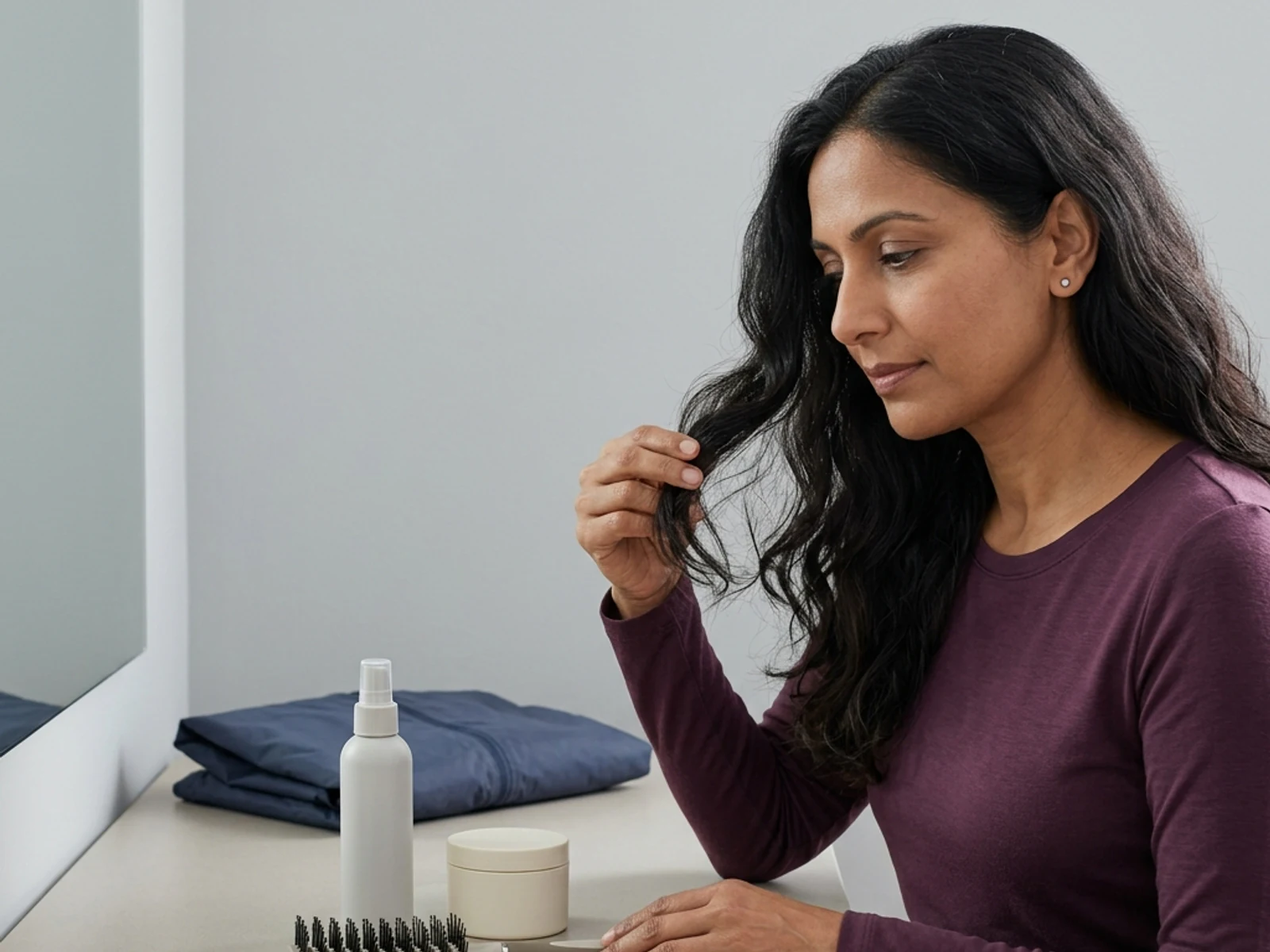
Coastal rain may affect styled hair and contribute to frizz. A lightweight anti-frizz product or humidity-resistant finishing category may be useful. A blowout service can be timed close to an indoor event, but no product or appointment can guarantee that a style will resist rain.
A traveller already researching a keratin treatment for a long coastal stay may schedule a provider consultation before departure. Present it as an optional cosmetic smoothing service, not a remedy for coastal weather and not a service that is automatically suitable for humid conditions.
Interior and northern static
Interior winter heating may contribute to static-prone hair. A leave-in conditioner or another familiar conditioning format may be useful, particularly during a longer cold-season stay. Avoid promising that one product will restore, repair or permanently change hair affected by an environment.
For an Okanagan summer, a hair UV-protection category may be worth considering, but it cannot guarantee a colour result. If colour maintenance matters, discuss product and appointment timing with a stylist rather than treating a regional climate pattern as proof of damage.
Cosmetic scalp planning
When a different indoor or outdoor environment changes cosmetic scalp comfort, some travellers may prefer gentler cleansing and a moisturizing conditioner. Do not diagnose dryness, dandruff or another condition from the destination climate. A salon scalp-care service, if considered, must remain cosmetic and provider-led.
Persistent, painful, sudden or otherwise concerning scalp symptoms are outside this guide and should be discussed with an appropriate licensed healthcare professional.
Skin and lip choices
In hot, arid Interior summers, skin may feel dry or tight. A richer moisturizer may be useful even when the temperature is high, while cosmetic sun protection can be included for outdoor plans without making disease-prevention or medical claims.
On the humid coast, heavy creams may feel greasy for some travellers, so a lighter lotion may be worth packing. The contrast is a practical option, not a universal coast-versus-Interior rule. Personal preference, season and trip length still matter.
Cold mountain air may contribute to chapped-looking lips, and northern winter cold may leave skin feeling dry or tight. Pack a familiar lip product and a richer moisturizer when those contexts apply. Do not extend the mountain lip context to every BC destination.
A hydrating facial is an optional cosmetic service to research after arrival. It is not required, does not replace a daily routine and must not be described as treatment for an environmental or medical condition.
Nails and cuticles
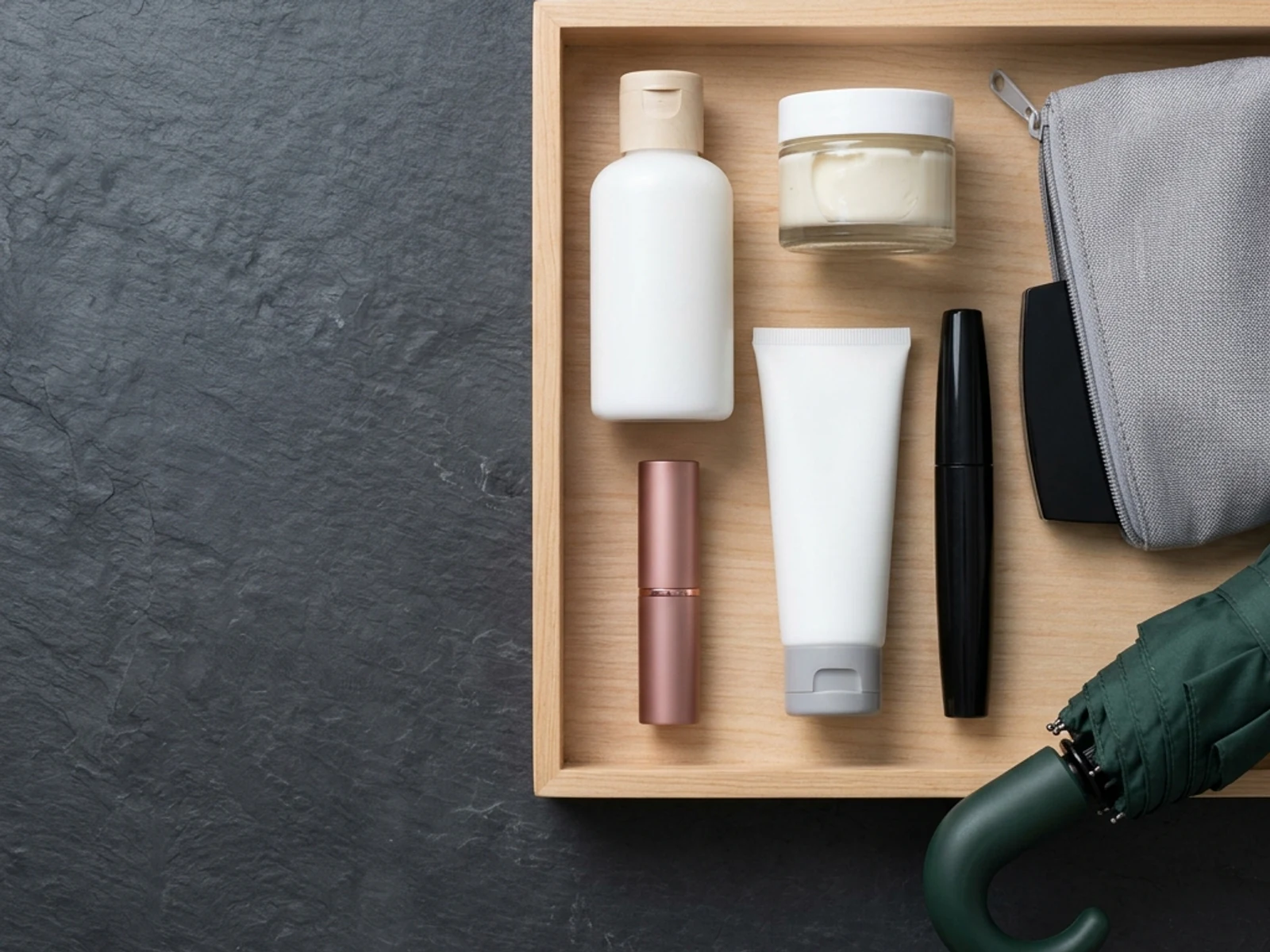
Dry mountain air may contribute to dry-looking cuticles. A compact cuticle product and hand cream may be useful for mountain, Interior or northern travel, depending on personal comfort. Keep the routine focused on cosmetic comfort and appearance.
Winter-sport travellers may prefer shorter nails because extensions may be at risk during those activities. A pre-trip manicure can suit someone already planning nail maintenance, but it is not a travel requirement and no fixed maintenance frequency is supported here.
Brows, lashes and makeup
Coastal rain may affect makeup longevity, and coastal wind may contribute to watering eyes that affect eye makeup. Waterproof mascara may be useful, but it is not required. Use a tested product and keep the rest of the routine simple.
For hot Interior summers, powders may last longer than creams for some people. Present this as an optional format comparison, not a universal performance claim. A setting product may also be considered when makeup longevity matters.
A lash lift is an optional pre-trip service for a coastal or active trip. Confirm the provider’s initial keep-dry instructions rather than promising that the service will simplify every routine. Event makeup services may be researched for an Interior summer event, without guaranteeing wear or availability.
Packing checklist
Build around products already used successfully, then add destination-specific categories.
Core routine
- Versatile moisturizer
- Lip product
- Familiar hair cleanser and conditioner in travel sizes
- Basic grooming tools and makeup actually used at home
Coastal wet-season additions
- Optional anti-frizz product
- Waterproof mascara or another tested rain-aware eye product
- A lighter moisturizer if heavy textures feel uncomfortable
Interior, mountain or northern additions
- Richer moisturizer for dry- or tight-feeling skin
- Leave-in conditioner for static-prone hair
- Hand cream and cuticle product
- Cosmetic sun-protection format for relevant outdoor plans
The professional haircare guide can help compare categories without making a brand or performance promise. When buying specialist skincare, the guide to checking skincare authenticity provides a separate verification process.
What to bring and what to buy after arrival
Do not assume that a specific product will be available in every community.
| Decision | Usually bring | Consider buying after arrival |
|---|---|---|
| Personal fit matters | Trusted moisturizer, styling product, hand cream and lip product | Replace only after confirming a suitable option |
| Needed on the first day | Region-specific essentials and compact tools | Do not rely on an immediate shopping stop |
| Bulky basics on a longer stay | Enough shampoo, body wash and lotion for the travel day | Full sizes after checking local options |
| Specialist product | Enough for the planned trip | Buy only from a source you can evaluate |
| Multi-region trip | One lighter and one richer texture when both are useful | Avoid buying a separate routine for each stop |
Weekend travellers can usually decant familiar products. For one week, bring destination-specific categories. For a longer stay, buying bulky basics can reduce luggage weight after availability is confirmed.
Salon services to consider
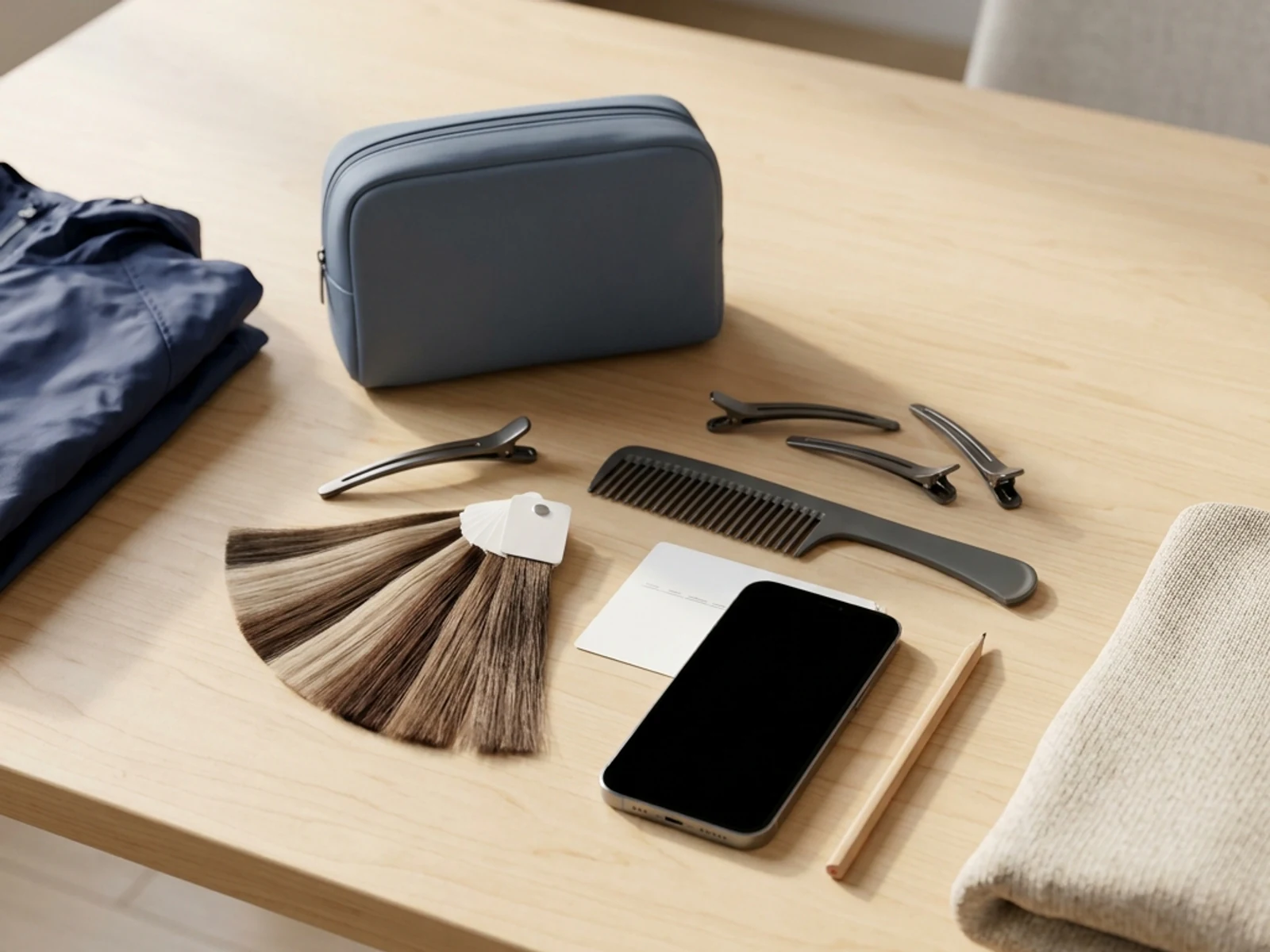
Every service below is optional and scenario-specific. None is a weather treatment.
| Service | Traveller scenario | Timing to consider | Limitation |
|---|---|---|---|
| Lash lift | Active coastal vacation | Before travel | Confirm initial keep-dry instructions |
| Keratin treatment | Long coastal stay | Consultation before travel | No suitability or frizz-control guarantee |
| Deep conditioning | Interior visit | After arrival | Cosmetic conditioning only |
| Haircut | Relocation | After arrival | Useful only when maintenance is due |
| Manicure | Weekend trip | Before travel | Optional maintenance |
| Pedicure | Interior summer trip | Before travel | Optional and activity-dependent |
| Brow shaping | Any trip | Before travel | Optional grooming choice |
| Event makeup | Interior summer event | Day of event | No wear or availability guarantee |
| Scalp-care service | Interior winter visit | After arrival | Cosmetic comfort only; no diagnosis |
Services to time carefully
A fresh coastal blowout may be affected by rain, so check the forecast and align it with the event rather than the arrival day. This is a timing choice, not a statement that coastal rain always ruins styling.
For an Okanagan trip, allow 48 hours between waxing and extended sun exposure, and confirm the actual provider’s aftercare before booking. Do not apply that one timing scenario to every waxing appointment or destination.
Fresh lash extensions may need to remain dry for the first 48 hours when coastal rain is a concern. Confirm the provider’s instructions, and do not assume that a lash lift is automatically the better choice.
If a major hair colour service is planned before a summer Interior trip, discuss timing and maintenance with the colourist. Do not claim that Interior sun will produce a specific colour outcome.
Routines by trip length
Weekend
Bring the core routine in travel sizes and add one destination category: rain-aware styling for a wet coastal visit, or richer moisture for a dry Interior or cold mountain context. Skip salon appointments unless one supports a specific event or existing maintenance plan.
One week
Bring specialist products from home and avoid assuming a replacement will be available. A blowout, makeup or nail appointment may be worth researching for an event, with enough time for any provider instructions.
Two to four weeks
Buy bulky basics only after checking local options. Bring enough trusted moisturizer, styling product and other difficult-to-substitute items for the stay. Schedule maintenance only if it would normally be due.
Seasonal stay or relocation
Observe the actual region through a season before rebuilding the routine. Record changes in hair finish, cosmetic scalp comfort, skin feel, lip comfort, nails and makeup wear. A salon consultation can cover routine and maintenance preferences without diagnosing climate effects.
Mistakes to avoid
- Packing only for rainy BC. An Interior summer is hot and arid, and mountain or northern winter contexts are different again.
- Using Vancouver as province-wide evidence. Lower Mainland rain does not represent Vancouver Island, the Interior, mountains or north.
- Treating Vancouver Island as uniform. The west is wetter than the east, so check the exact side and season.
- Assuming a mountain forecast will stay stable. Mountain weather can change rapidly in any season.
- Booking a blowout before a wet coastal outdoor plan. Time the appointment around its purpose and the current forecast.
- Using smoothing as a humidity remedy. Keratin and other services remain optional, personal and provider-led.
- Assuming local stock. Confirm a specialist product or salon service directly when it matters.
Finding a salon
Confirm the exact service, location, provider instructions and appointment timing before booking. For multi-region travel, evaluate each destination separately rather than expecting the same service access at every stop. Keep medical concerns outside a salon travel-planning conversation.
Frequently asked questions
How does wet weather on the BC coast affect hair?
Coastal British Columbia has mild, wet winters, and winter storms are common. Rain may affect styled hair and contribute to frizz, but the result varies by hair and styling routine. A lightweight anti-frizz category may be useful. The coast also has warm, relatively dry summers, so do not apply wet-winter advice to every season or to the rest of the province.
What skincare should I pack for the British Columbia Interior?
The Interior has hot, arid summers and can be exceptionally dry, so a trusted moisturizer, gentle cleanser, lip product and cosmetic sun-protection format are practical categories. Bring familiar products rather than assuming an easy replacement. Product texture remains personal: a rich cream may feel useful for tight-feeling skin, but no single format is required for everyone.
Is the Okanagan dry in summer?
The Interior has hot, arid summers, frequently exceeds 30 C and can be exceptionally dry. Use that context for packing, not as a prediction of the exact trip. A richer moisturizer, lip product and leave-in hair product may be worth bringing, while waterproof coastal categories may add less value. Check the current forecast before departure.
Do I need a heavy moisturizer for a mountain winter trip?
Not necessarily, but a richer option may be useful. Mountain regions receive heavy winter snow, and cold mountain air may contribute to chapped-looking lips. Pack a familiar richer moisturizer and lip product as options, then adjust to comfort. Do not interpret persistent or concerning skin symptoms as a routine travel issue.
Should I get a keratin treatment before a long coastal stay?
Only if you were already considering cosmetic smoothing and a qualified provider agrees it fits your goals. For a long coastal stay, a pre-travel consultation can address timing where rain may affect styled hair. Keratin is not necessary, suitable for everyone or guaranteed to control frizz. Confirm the service and provider-specific aftercare first.
Can I wear lash extensions during a rainy coastal trip?
The main issue is timing: fresh extensions may need to stay dry during an initial 48-hour aftercare window. Confirm instructions with the provider and schedule around arrival or wet outdoor plans. Do not assume a result after that period or substitute a lash lift without a separate consultation.
What should I pack for a multi-region trip?
Use a compact core kit, then add a few contrasts: a lighter and richer moisturizer, one anti-frizz option for wet coastal conditions, a leave-in conditioner for static-prone hair, a lip product and cosmetic sun protection for relevant outdoor plans. This covers more decisions than packing a separate routine for every stop. Recheck current conditions as the route changes.
Can I rely on finding my usual products in a smaller community?
Do not rely on a specific formulation being available in every community. Bring enough of any hard-to-substitute product or confirm stock directly. For longer stays, full-size body wash, basic shampoo and body lotion may be reasonable local purchases once suitable options are confirmed.
Informational boundary and final summary
British Columbia travel beauty planning works best when it remains region-specific. Identify the route, season and trip length, pack a small core, and add only the product or appointment categories that answer a clear need.
For a route crossing several regions, revisit the kit before each major change rather than carrying every item every day. Keep immediate-use products accessible, check the current forecast and confirm provider instructions for any appointment. A flexible routine should reduce packing and decision load, not create a separate beauty plan for every overnight stop.
This guide covers cosmetic appearance, comfort, packing and salon timing. It does not diagnose or treat skin, scalp, hair or nail conditions. Persistent, painful, sudden or otherwise concerning symptoms require advice from an appropriate licensed healthcare professional.
Ready to compare salons?
Move from guide reading into local discovery with service pages, city pages, and featured salon profiles.