
Hair Treatments
Is a Body Wave Perm Good for Fine Hair? Results, Risks & Maintenance
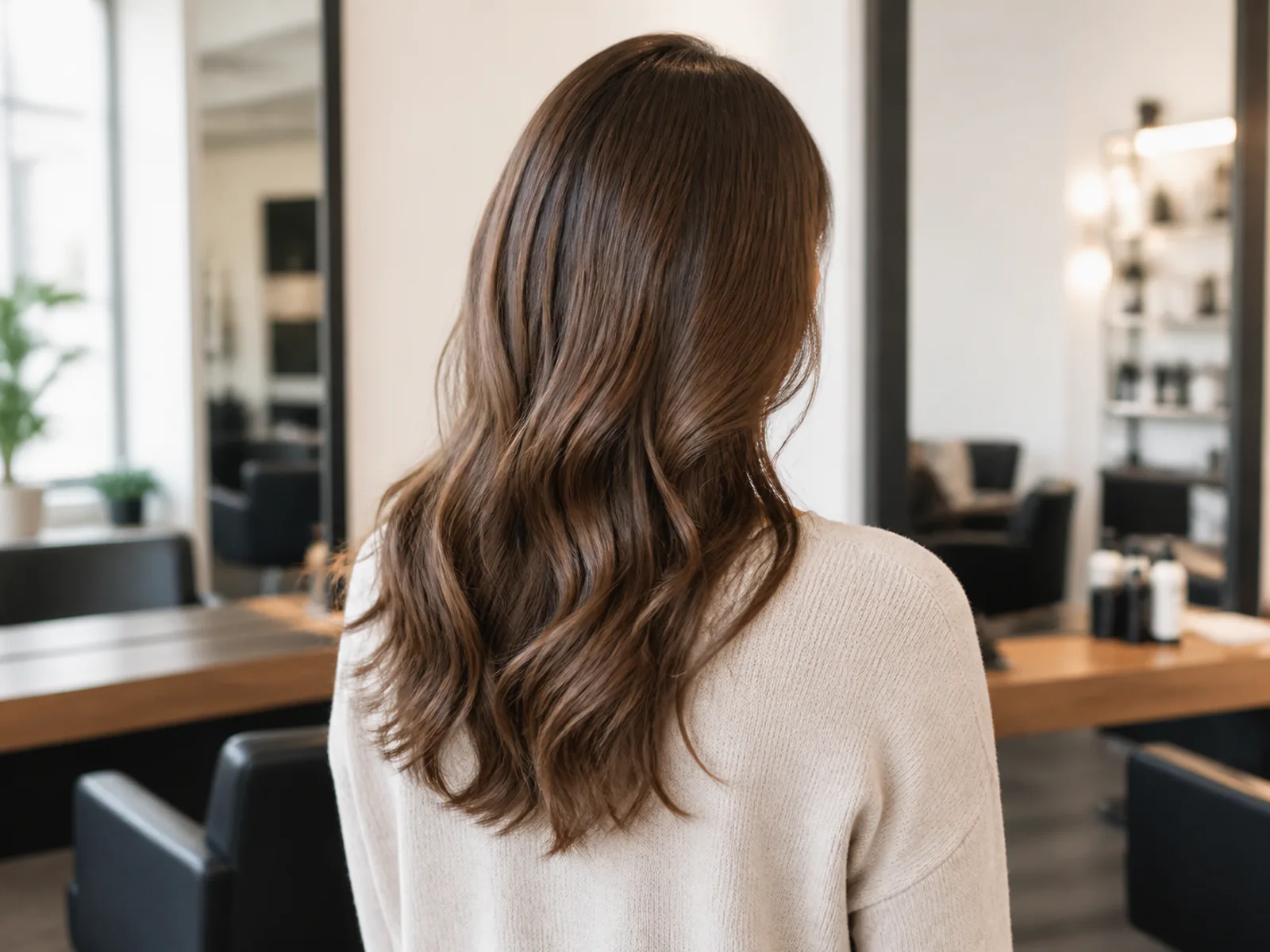
A body wave perm can be a good option for fine hair, but the answer depends on its condition and chemical history. Healthy, minimally processed fine hair may gain soft volume and natural-looking movement. If it is damaged or over-lightened, a perm may cause more harm than good.
The key is a thorough consultation with an experienced stylist who can assess your hair before any chemicals are applied.
What Is a Body Wave Perm?
A body wave perm uses larger rods or rollers than a traditional perm, creating loose, soft, rolling waves rather than tight curls or ringlets. The result is added texture, body, and movement — closer to a natural wave pattern than the structured curls many people associate with perming.
Like other perms, a body wave chemically reforms bonds inside the hair shaft around rollers. Larger rods create the looser pattern, while the stylist chooses the formula, wrapping method, and processing time for the client’s hair.
| Feature | Body Wave Perm | Traditional or Tighter Perm |
|---|---|---|
| Rod or roller size | Large | Small to medium |
| Wave pattern | Loose, soft, S-shaped | Tighter curls or ringlets |
| Volume added | Moderate, spread across the hair | More concentrated and defined |
| Grow-out appearance | Usually a softer transition | Often a more noticeable contrast |
| Maintenance level | Moderate | Moderate to high |
Fine Hair vs. Thin Hair: Why the Distinction Matters
These two terms describe different characteristics, and the distinction matters when considering a perm:
- Fine hair refers to the diameter of individual hair strands. Fine strands have a small circumference and less protein mass, making them more delicate and susceptible to chemical damage.
- Thin hair refers to hair density — the total number of hairs on the scalp. Someone with thin hair has fewer strands per square inch, whether each strand is fine, medium, or coarse.
A person can have fine but dense hair or coarse but sparse hair. The terms are not interchangeable. For a perm, strand diameter and overall condition help determine how carefully processing must be managed.
Can a Body Wave Make Fine Hair Look Fuller?
Yes. By reshaping straight hair into waves, a perm creates space and movement between strands, which can make hair appear fuller.
However, it is important to understand what a body wave can and cannot do:
- It can create cosmetic volume: the visual impression of fuller, thicker-looking hair through added texture and movement.
- It cannot increase the number of hairs on your head, change follicle density, or make individual strands physically thicker.
The volume is structural rather than biological. A body wave may reduce daily styling effort if the hair is healthy enough for the chemical process.
What Results Can Fine Hair Expect?
Results on fine hair tend to be softer and subtler than on coarser hair types. Fine hair responds quickly to perm solution, which can reduce processing time but also makes careful monitoring essential.
Realistic expectations for fine hair include:
- Soft, natural-looking waves rather than dramatic curls.
- Added body and movement that can reduce a flat or limp appearance.
- A result that relaxes over time. Because body waves begin loose, the volume effect gradually decreases as the pattern softens.
- Some variation across the head. Areas with different lengths, damage levels, or porosity may respond differently.
The effect is proportional to the hair’s starting density, length, and condition.
Does a Body Wave Perm Damage Fine Hair?
All chemical processing affects the internal structure of hair. A body wave perm is no exception. The solution changes bonds within the hair shaft to create the new wave pattern, but that process also places stress on the strand.
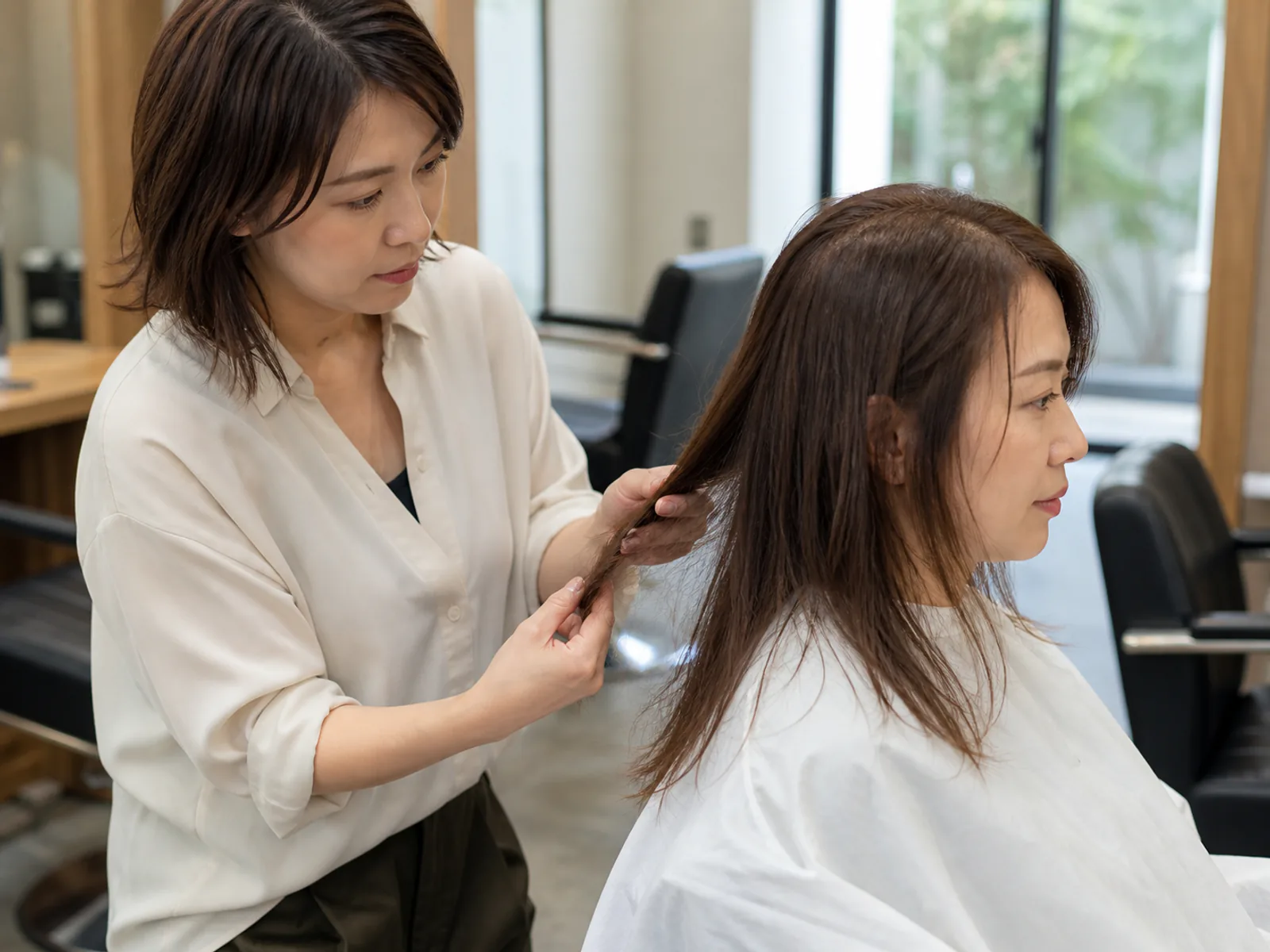
For fine hair specifically, the risks include:
- Overprocessing. Fine hair has less protein mass and may process quickly. If the solution is too strong or left on too long, hair can become dry, frizzy, or brittle.
- Loss of elasticity. Overprocessed fine hair may lose its ability to stretch and return, increasing the chance of breakage.
- Dryness. Chemical processing can leave hair drier, and fine strands have less structural resilience.
Damage is not inevitable, but the process needs a stylist who understands fine hair. A professional strand test helps assess how the hair responds before proceeding.
What If Hair Is Coloured or Highlighted?
This is one of the most important safety considerations for fine hair.
- Single-process colour is generally lower-risk than lightening. Fine hair with all-over colour may still be a candidate for a body wave, depending on its condition and the products previously used.
- Highlights and balayage involve lightener, which can make hair more porous and structurally weaker. Perming highlighted fine hair significantly increases the risk of breakage.
- Heavily bleached or repeatedly processed hair is usually not suitable for a perm. Many experienced stylists will decline the service when the risk of severe breakage is too high.
If your fine hair has been lightened, a bond repair treatment may support its condition before other services, but it cannot guarantee the hair will safely withstand a perm. Only a professional assessment and strand test can determine whether to proceed.
When Might a Stylist Recommend Against a Perm?
A responsible stylist may advise against a body wave perm if:
- Hair shows existing breakage, excessive dryness, or significant damage.
- The hair has been heavily bleached, double-processed, or subjected to overlapping chemical services.
- A strand test shows that the hair processes too quickly or lacks the elasticity to hold a curl safely.
- The client has an incompatible chemical history, such as recent relaxing or straightening treatments.
This judgement protects your hair from further harm. A deep conditioning programme or other hair treatments may support its condition, but cannot guarantee future suitability for a perm.
How Long Does a Body Wave Perm Last?
A body wave perm typically remains noticeable for 3 to 6 months. The treated lengths remain chemically altered, but the visible wave can relax and soften over time. New hair also grows from the root with its natural texture, gradually reducing the overall waved appearance.
The visible duration of the wave depends on:
- Hair length. Length and weight affect how loose waves sit and relax.
- Hair growth rate. Faster-growing hair creates more natural-texture regrowth sooner.
- Styling and maintenance. How you wash, dry, and handle the hair affects the appearance of the wave pattern.
The 3-to-6-month range is typical, not a guarantee. Fine hair, the selected rod size, the formula, and aftercare can all change how long the result remains visible.
Body Wave Maintenance
Aftercare can help preserve the wave pattern and keep processed hair manageable.
The 48 to 72 Hour Rule
Do not wash, wet, or tie up your hair for at least 48 to 72 hours after the perm. This waiting period allows the newly reformed bonds to stabilise. Wetting or pulling the hair during this window can weaken the curl pattern or cause uneven results.
Washing and Hydration
- Wash with a gentle, moisturising shampoo. Permed hair often needs more hydration than untreated hair.
- Avoid frequent clarifying shampoo, which can be drying on chemically processed hair.
- Use a conditioner designed for dry or chemically treated hair.
- Consider a leave-in conditioner or lightweight oil if your stylist recommends one for fine hair.
Styling
- Air dry or diffuse. A diffuser attachment can enhance the wave without creating as much frizz as rough blow-drying.
- Detangle gently. Use your hands or a wide-tooth comb. A traditional bristle brush can disrupt the wave pattern.
- Minimise heat styling. If you use a curling iron or other hot tool, apply heat protectant and keep the temperature appropriate for fine, chemically treated hair.
A fresh haircut can also help a body wave move naturally and prevent excessive length from weighing down a loose pattern.
Colouring After a Perm
Do not colour your hair immediately after a perm. Professional guidance is to wait at least two weeks before applying colour or toner. Colouring too soon can place already-processed hair under additional chemical stress and may affect the result.
If you want both services, discuss their timing and order with your stylist. The safest sequence depends on your colour history, hair condition, formulas, and goals.
Should You Consider Alternatives?
If a stylist determines that your fine hair is not in the right condition for a perm, or if you are unsure about a chemical service, there are other options:
- A keratin treatment is intended to smooth and reduce frizz rather than create a body wave. It is a different goal and may not suit someone whose priority is more volume, so discuss its effects on fine hair before booking.
- Heatless styling methods such as rollers, braiding, or pin curls can create temporary waves without perm chemicals.
- Volumising products and blow-dry techniques offer short-term volume without a chemical commitment.
Frequently Asked Questions
Can I get a body wave if my fine hair is coloured?
Single-process colour is generally lower-risk than lightening. However, fine hair that has been heavily highlighted, bleached, or subjected to multiple chemical services may be too fragile for a perm. A professional consultation and strand test are essential.
How long do I have to wait to wash my hair after a body wave?
At least 48 to 72 hours. This allows the reformed bonds to stabilise and helps protect the wave pattern.
Will a body wave make my thin hair look thicker?
A body wave creates texture and space between the strands, which can give the visual impression of fuller hair. It does not add hair density; it works with the hair you already have.
Does a body wave look natural?
It can. Larger rods are used to create a soft, S-shaped wave rather than a tight coil. On fine hair, the result is often gentle, but the outcome depends on the rod size, wrapping pattern, haircut, and starting hair.
How does a body wave grow out?
The wave generally relaxes over time, while new hair grows from the root with its natural texture. Because body waves begin loose, the transition may be softer than with a tighter perm.
Can I use a curling iron on my permed hair?
Yes, but use it sparingly. Apply heat protectant and follow your stylist’s temperature guidance because permed fine hair is more vulnerable to heat damage.
Can a perm make my hair fall out?
A perm changes the hair shaft rather than the follicle, but severely damaged or overprocessed hair can break. A professional assessment and strand test help identify hair that may not tolerate the service. Consult a healthcare professional if you are experiencing shedding from the root or scalp symptoms.
How much does a body wave perm cost?
Pricing varies by salon, stylist experience, hair length, and location. Ask during your consultation for a quote based on your hair and the time required.
Considering a Body Wave?
If you are interested in adding volume and texture to fine hair, start with a professional consultation. An experienced stylist can assess condition, discuss realistic expectations, and determine whether a body wave is appropriate. Browse hair treatments across Canada to find salons that may offer perm consultations. Check each salon’s listed services and availability before booking.
Need a salon after reading?
Use the directory, local pages, and service hubs to compare salons in Canada with more confidence.