
Hair Colour
What Is High-Lift Hair Colour? High-Lift Tint vs. Bleach

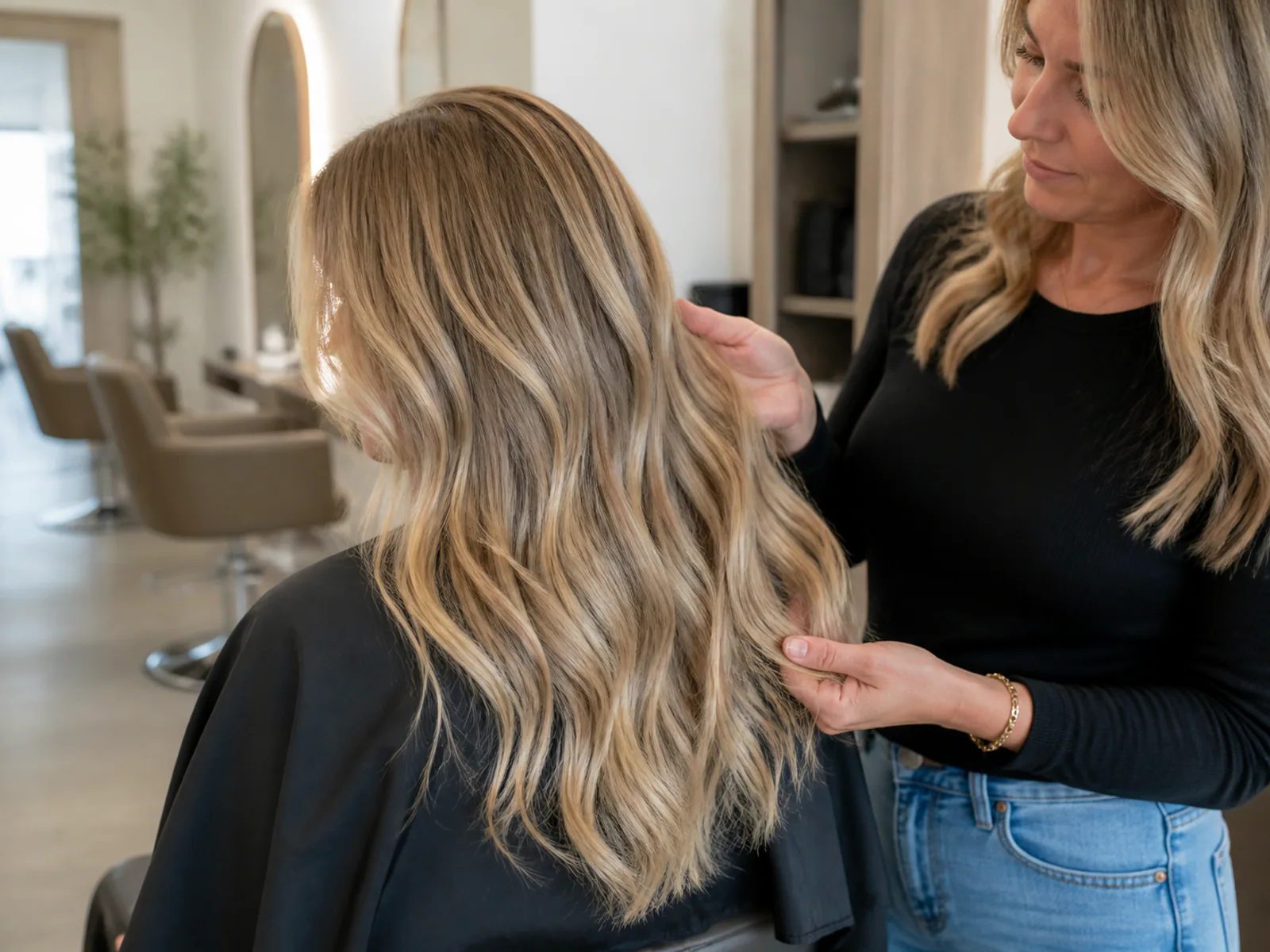
High-lift hair colour — also called high-lift tint — is a permanent hair colour formulated to lighten natural hair while depositing tone at the same time. Unlike standard permanent colour, which generally provides modest lift, high-lift tint is designed to lift natural (virgin) hair by as much as four or five levels in a single application, depending on the formula and starting point.
The key advantage is efficiency: it lifts and tones in one step. But high-lift tint has strict limitations that every client should understand before booking.
How Does High-Lift Colour Work?
High-lift tint contains a higher concentration of ammonia or other alkalising agents than standard permanent colour. It is mixed with a strong developer — typically 30 or 40 volume, according to the product instructions — to open the cuticle and lift the hair’s natural melanin.
While it lifts, it simultaneously deposits tonal pigments. This is why high-lift results often have a built-in tone, such as cool ash, warm beige, or golden, rather than only the raw warmth exposed during lightening.
Standard permanent colour prioritises deposit and modest lift. High-lift tint sits between standard colour and bleach in terms of lightening power, but it is still a strong chemical service.
High-Lift Tint vs. Bleach
This is one of the most common points of confusion for clients considering a lighter hair colour. Understanding the differences helps you have a more productive consultation with your colourist.
| Factor | High-Lift Tint | Bleach (Lightener) |
|---|---|---|
| What it is | Permanent colour with extra lifting power | Powder or cream lightener |
| What it targets | Natural melanin | Natural and artificial pigment |
| Starting hair | Natural, uncoloured hair in the area being treated | May be used on coloured or natural hair after assessment |
| Lift potential | Up to 4–5 levels, depending on formula and starting level | May achieve 7–9 levels in suitable conditions |
| Previously coloured hair | Will not meaningfully lift artificial colour | Can lift artificial colour, with results dependent on colour history |
| Tonal result | Deposits tone while lifting | Often followed by a separate toner |
| Common use | Going blonde from naturally light brown or dark blonde | Major transformations, colour corrections, dimensional work |
If you are comparing professional hair colour options and trying to decide between high-lift and bleach, a consultation with a colourist is the best place to start. The right choice depends on your natural colour, colour history, target result, and hair condition.
The Golden Rule: Colour Cannot Lift Colour
This is the single most important thing to understand about high-lift tint.
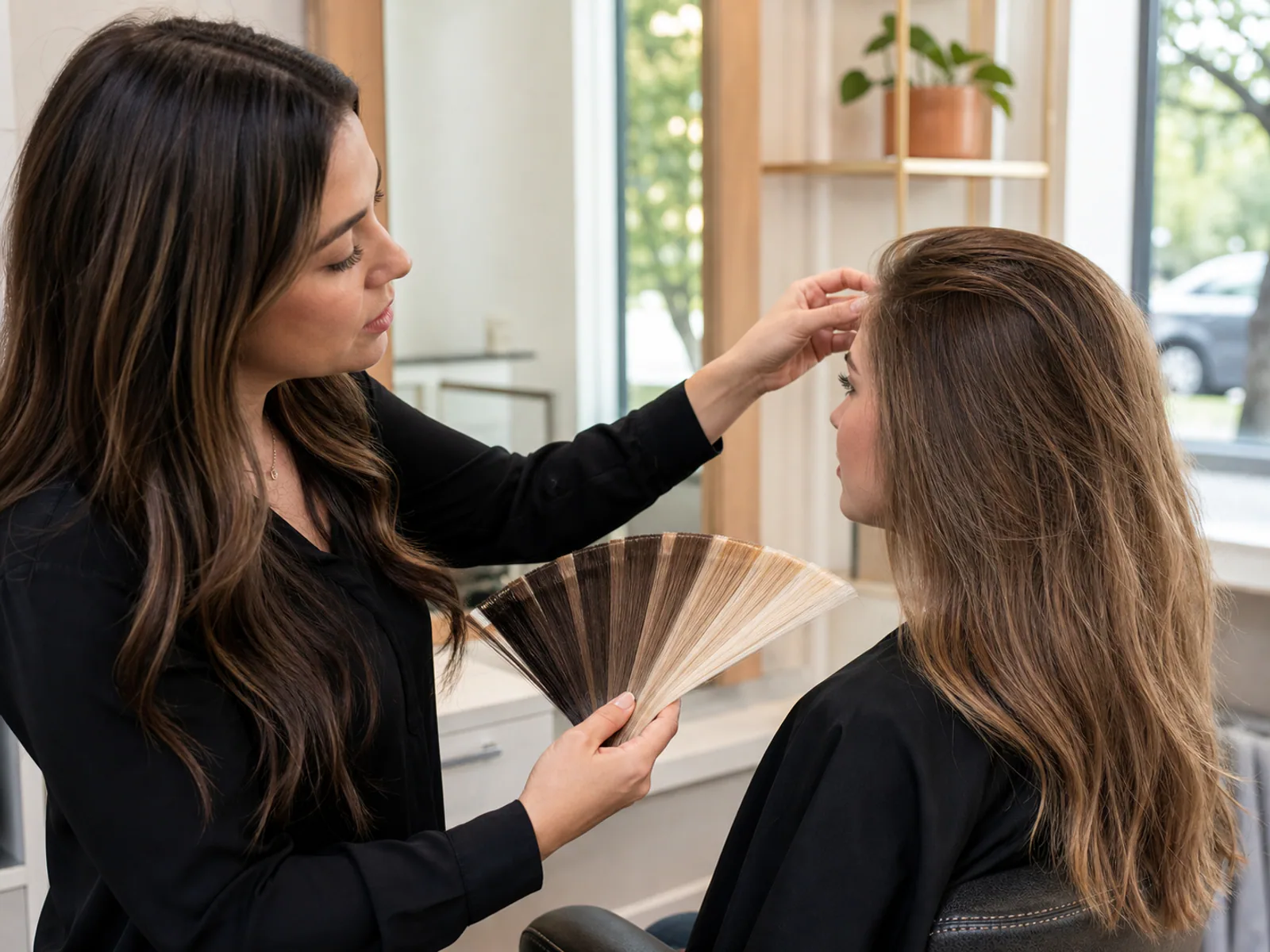
High-lift colour works on natural, uncoloured hair. It cannot meaningfully lighten hair that has been previously dyed. If applied to hair with existing artificial colour, high-lift tint will not remove the old dye; it may instead stress the hair and deposit an unwanted tone.
High-lift colour is not a substitute for a product designed to remove artificial pigment. A lightener or dedicated colour remover may be needed, depending on colour history and hair condition.
L’Oréal Professionnel reinforces the professional rule that colour does not lift colour. If you have previous colour in your hair — including box dye, semi-permanent, demi-permanent, or permanent colour — tell your stylist. They can assess whether lightener, colour remover, or a different corrective approach is appropriate.
How Much Can High-Lift Colour Lighten Hair?
Some high-lift tint systems can lift natural hair by up to four or five levels, according to Schwarzkopf Professional product specifications. Actual results depend on several factors:
- Natural starting level — The lighter your natural colour, the more achievable a blonde result will be. High-lift commonly suits naturally light brown to dark blonde starting points.
- Formula and brand — Manufacturers formulate their high-lift ranges differently, so lift claims and mixing instructions vary.
- Developer strength — Many high-lift systems specify 40-volume developer for maximum lift, while some allow 30 volume. The manufacturer instructions and stylist’s assessment determine the choice.
- Underlying pigment — As natural hair lightens, warm pigment becomes visible. The starting level and amount of lift affect whether red, orange, gold, or yellow warmth appears.
- Hair condition — Damaged or porous hair may process unevenly and may not be an appropriate candidate.
The four-to-five-level figure is a maximum product claim, not a guarantee.
Does High-Lift Colour Work on Dark Hair?
It can be applied to some darker natural starting levels, but expectations need to be realistic.
If naturally dark brown hair lifts several levels, the result is likely to expose orange, copper, or gold underlying pigment rather than a cool platinum blonde. The darker the starting point and the cooler or lighter the target, the less likely high-lift tint alone is to achieve the goal.
For clients with very dark hair who want a light, cool blonde, a stylist may recommend bleach followed by a toner instead. Hair condition and colour history still determine whether that plan is suitable.
The warm undertones exposed during a high-lift application are not a product defect. Behind The Chair explains that hair passes through underlying warm pigment stages as melanin is removed.
Can High-Lift Tint Lighten Previously Dyed Hair?
No. This point bears repeating because it is the most common source of disappointment with high-lift colour.
High-lift tint acts on natural melanin. It cannot remove artificial colour molecules. Applied over previously dyed hair, it will not create the meaningful lift expected from a lightening service and may add unnecessary chemical stress or unwanted tone.
If you need to lighten hair that has been previously coloured, the appropriate approach may be lightener, a colour remover, or a combination decided during a professional consultation. A colour correction service can address complex cases where previous dye needs to be managed before a new colour is applied.
Why Does High-Lift Hair Sometimes Look Warm?
Every natural hair colour contains underlying warm pigment. As melanin is removed, that warmth becomes progressively visible. Darker starting levels tend to expose red-orange or orange warmth, while lighter levels expose more gold or yellow.
High-lift tint includes tonal pigments such as ash, beige, or violet designed to counteract some warmth. If the hair does not lift far enough for the chosen tone, however, the exposed warmth can dominate the result.
This is one reason high-lift colour is most predictable on naturally lighter starting levels: there is less underlying warm pigment to overcome.
If the result is warmer than intended, a toner service may help neutralise some warmth. Toning has limits, though; it changes tone but does not provide the additional lift needed to move past a strong underlying orange stage.
High-Lift Colour and Grey Hair
High-lift tint is generally not recommended for reliable grey coverage. Its primary function is lifting, not depositing opaque coverage.
Grey or white hair has little or no melanin, so it needs sufficient colour deposit for coverage. High-lift formulas are optimised to remove natural pigment while adding tone, and their result on grey hair may be sheer, inconsistent, or off-tone.
If grey coverage is a priority, a standard permanent colour formula may provide a more suitable balance of deposit and lift. Coverage performance varies by manufacturer and formula, so discuss your percentage of grey and target shade during the consultation.
Is High-Lift Colour Less Damaging Than Bleach?
High-lift tint is often positioned as a “gentler” alternative to bleach. This framing needs careful qualification.
- High-lift tint commonly uses strong developer, sometimes 40 volume, so it still performs significant chemical work to open the cuticle and remove melanin.
- Bleach can achieve more lift and can work through artificial pigment, but its effect depends on the lightener, developer, application, and hair condition.
- High-lift tint combines lift and tone in one application, which may reduce the number of processing steps in some cases.
- Neither service is damage-free. Fine, dry, porous, or previously processed hair may be more vulnerable.
The damage profile depends on the products, processing, application, stylist’s expertise, and starting condition. A colourist should assess these factors before choosing a lightening method.
When Might a Stylist Recommend Bleach Instead?
A colourist may choose bleach over high-lift tint when:
- The client wants more than four to five levels of lift.
- The hair has been previously coloured and artificial pigment needs to be removed.
- The target is a very cool or platinum blonde that requires more lift than high-lift tint can provide from the starting level.
- The technique involves foil highlights or balayage and needs concentrated, precisely placed lightener.
- Colour correction is needed to work through layers or bands of old dye.
High-lift tint and bleach are different tools for different situations. A consultation determines which, if either, suits the hair and target result.
Maintenance and Regrowth
High-lift colour grows out like other permanent colour. A root line becomes visible as natural hair grows, with timing determined by growth rate and the contrast between the natural and lifted shades.
Maintenance options include:
- Root touch-ups — applying high-lift tint to suitable natural regrowth only, while protecting previously lightened lengths.
- Full refreshes — less common because repeatedly applying high-lift tint to processed lengths can add cumulative stress.
- Toner refreshes — adjusting warmth on the lengths without attempting to re-lift them.
Plan your maintenance schedule with your stylist during the initial consultation.
Frequently Asked Questions
Can I use high-lift colour at home?
High-lift tint requires precise product, developer, sectioning, and timing choices. Misuse of strong developer can cause severe hair damage, scalp irritation, or unpredictable colour. It is best handled by a trained colourist.
Will high-lift tint turn my hair orange?
It depends on the natural starting level and amount of lift. Darker natural hair may expose orange or copper undertones before it becomes light enough for a cool blonde. Built-in tone can counter some warmth but may not neutralise it completely.
How long does a high-lift colour appointment take?
Timing varies by product, application, starting level, and hair length. The manufacturer sets the processing range, while the salon allows additional time for consultation, sectioning, application, rinsing, and finishing. Ask for an appointment estimate when booking.
Can high-lift colour be used for highlights?
Some professional systems may allow high-lift colour in specific highlighting situations, but highlights often use precisely placed lightener when more lift is needed. A colourist chooses the product based on the starting level and target result.
What level of developer does high-lift tint use?
Many high-lift formulas are designed for 40-volume developer, while some specify 30 volume. The product instructions and hair assessment determine the correct developer; it should not be generalised across brands.
Does high-lift colour cover grey hair?
High-lift tint is generally not intended for reliable opaque grey coverage, though results vary by manufacturer and formula. A standard permanent colour may be better suited when grey coverage is the priority.
How does high-lift tint differ from regular permanent colour?
Both are permanent colour, but high-lift tint uses stronger lifting action and is formulated to lift and tone natural hair. Standard permanent colour generally provides less lift and more emphasis on deposit.
Is high-lift the same as bleach and tone?
No. High-lift tint is permanent colour that lifts and deposits tone in one application. Bleach and tone uses lightener to remove pigment, followed when needed by toner to refine the shade. The products, capabilities, and candidate hair are different.
Find a Colourist in Canada
Whether you are considering high-lift colour, bleach, or another lightening approach, a professional consultation is the essential first step. You can browse salons offering hair colour services to compare colourists by city and specialisation. Check individual salon profiles to confirm their colour services and availability before booking.
Need a salon after reading?
Use the directory, local pages, and service hubs to compare salons in Canada with more confidence.