
Nails
How Long Does a Gel Manicure Take? Appointment Time & What to Expect
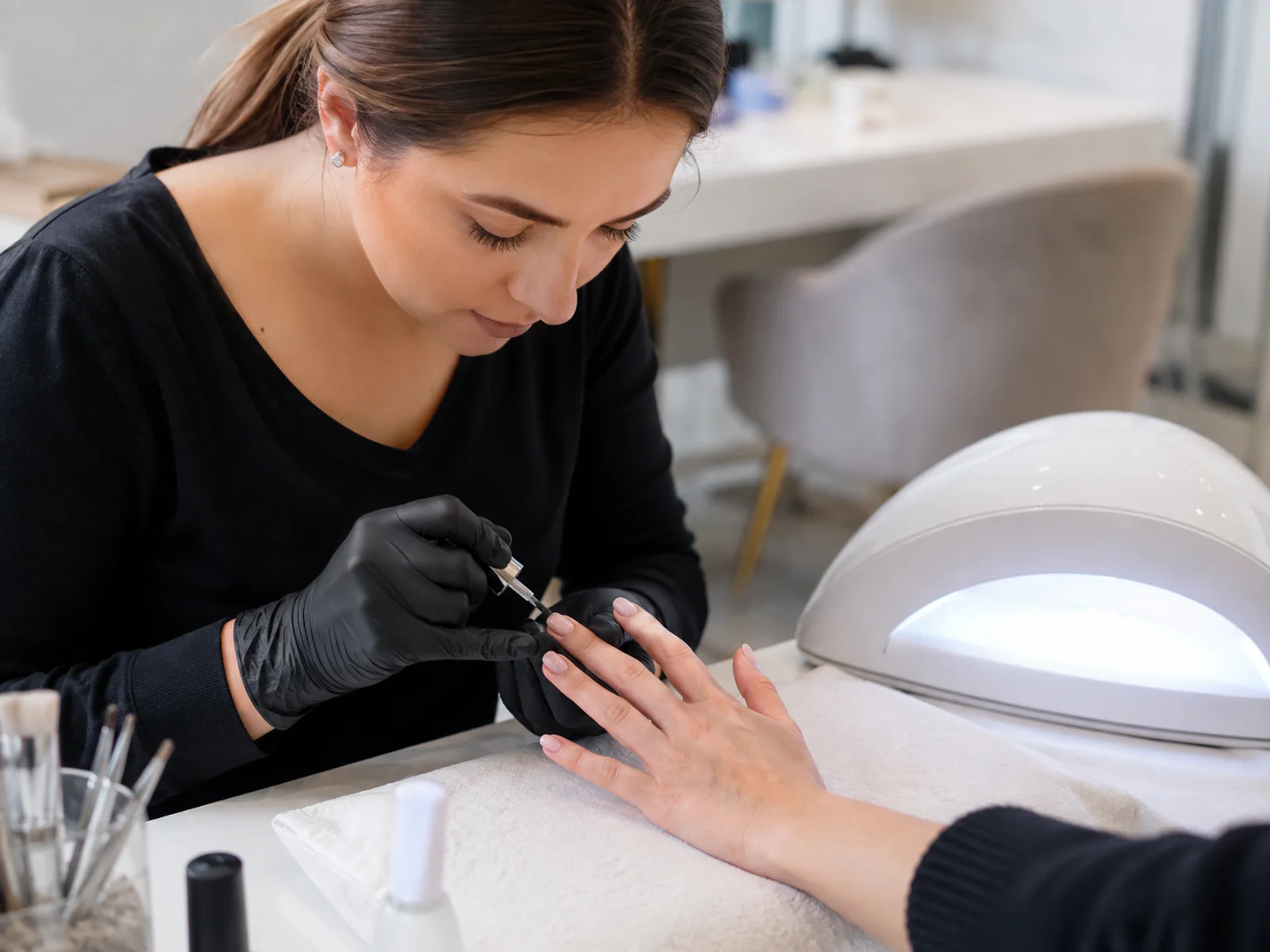
A standard gel manicure at a professional salon typically takes 45 to 60 minutes. If you need existing gel removed first, expect about 15 to 20 additional minutes. Detailed nail art, repairs, or extensions can make the full appointment 1.5 to 2 hours.
The timing depends on your nail technician’s process, the condition of your nails, and the services included. Below is a full breakdown of what happens during a gel manicure, what takes the most time, and what can extend the appointment.
What Happens During a Gel Manicure?
A professional gel manicure follows a series of steps. Each one contributes to how long you are in the chair, and skipping or rushing steps can affect how well the manicure holds up.
Preparation and Shaping
Your nail technician starts by assessing your nails and shaping them. This includes filing, buffing the nail surface, and removing any old polish that is not gel. Shaping alone can take 5 to 10 minutes depending on the length and condition of your nails.
Cuticle Work
Cuticle care is one of the most important parts of a gel manicure. The technician pushes back or gently cleans up the cuticle area to create a smooth surface for the gel to bond to. Properly done cuticle work improves the longevity of the finished manicure.
Base Coat Application and Curing
A thin layer of gel base coat is applied and cured under a UV or LED lamp. This step is quick—the application itself takes only a minute or two, and the curing process hardens it in place.
Colour Coats
Most gel manicures require two coats of colour. Each coat is applied, then cured under the lamp before the next coat goes on. The technician needs to be precise here. Gel that touches the skin or cuticle can cause problems with adhesion and may contribute to skin sensitivity over time.
Top Coat and Final Cure
A top coat seals the colour and provides the high-gloss finish gel manicures are known for. This goes under the lamp for a final cure.
Total Application Time
Adding up the individual steps, the hands-on application process—from shaping to final cure—accounts for the bulk of a standard 45-to-60-minute appointment. The rest is setup, cleanup, and any consultation time.
How Much Time Does Removing Old Gel Add?
If you have gel polish on your nails that needs to come off before the new application, expect the appointment to run 15 to 20 minutes longer. The precise time depends on the product and its condition.
Professional gel removal involves gently soaking or wrapping the nails with a product designed to break down the gel. The technician then carefully removes the softened product without scraping or forcing it off the nail plate.
This is a step worth allowing time for. Picking or peeling off gel polish at home can strip layers from the natural nail surface, leaving nails thin and damaged. If you are booking a gel manicure over existing gel, mention it when you schedule so the salon can allot the right amount of time.
If you are curious about how much a gel manicure costs, the pricing guide covers advertised ranges for gel, classic, and specialty manicures across Canadian cities.
Does Nail Art Make the Appointment Longer?
Yes. Nail art adds time, and the amount varies widely depending on what you want.
Simple designs like a single accent nail or basic glitter may add only a few minutes. Intricate hand-painted designs, foils, or detailed patterns on multiple nails can add 30 minutes or more to the total appointment. A French manicure design, which requires precision at the nail tip, also takes longer than a standard single-colour application.
If you are planning to request nail art, ask your technician about timing when you book. Many salons schedule nail art appointments separately from basic gel services.
How Long Does Gel Take to Cure?
Curing is the process of hardening each layer of gel under a UV or LED lamp. It is easy to overestimate how much time this adds, because each individual cure is short—but it is not the longest part of the appointment.
Each coat of gel typically cures in 30 to 60 seconds, depending on the lamp type and the specific gel product being used. Since a standard gel manicure involves curing the base coat, two colour coats, and a top coat, the total curing time across the entire service is usually only a few minutes.
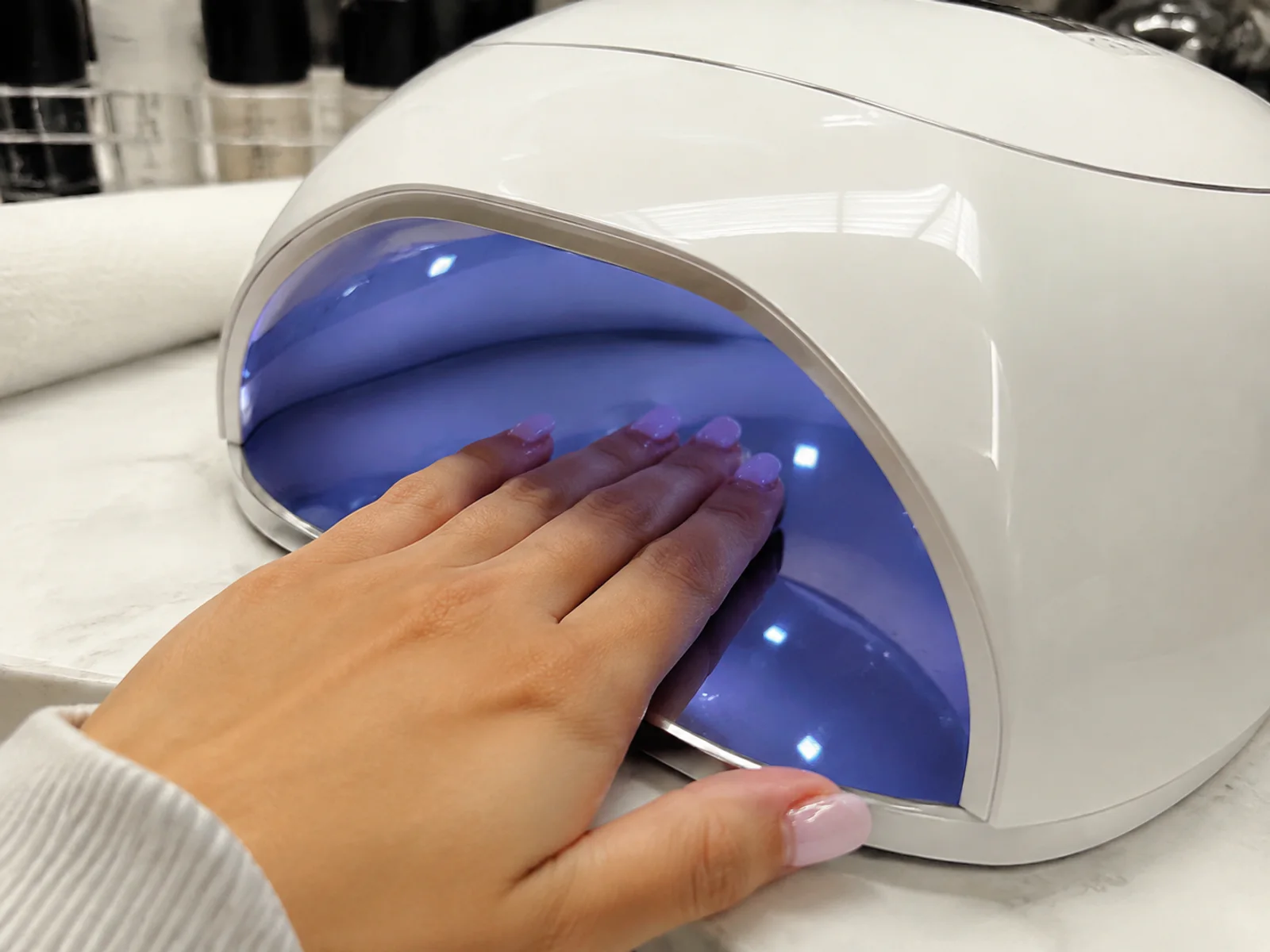
UV vs LED Lamps
Both UV and LED lamps cure gel polish, but they work differently.
LED lamps generally cure each coat faster—often in 30 to 60 seconds per coat. UV lamps may take longer per coat, sometimes up to 2 minutes depending on the product.
Not all gel products are compatible with both lamp types. Some gels are formulated specifically for LED lamps, while others require UV. Your nail technician will use the correct lamp and follow the curing time specified for the product they are applying.
Both UV and LED nail lamps emit ultraviolet radiation; “LED” describes the lamp’s light source, not an absence of UV exposure. If you have concerns about exposure during curing, ask the salon about fingerless UV-protective gloves or consider applying broad-spectrum sunscreen to your hands before the service while keeping it off the nail plates.
It is important not to confuse curing time with total appointment time. The curing process is only a small fraction of the full service. The majority of the time is spent on preparation, application precision, and cuticle work.
How Long Does a Gel Manicure Last?
A professionally applied gel manicure typically lasts 2 to 3 weeks before noticeable growth at the base becomes visible.
How long yours lasts depends on several factors:
- Natural nail growth—as your nails grow, a gap appears between the cuticle and the gel.
- Aftercare—exposure to harsh chemicals, prolonged water submersion, or heavy manual work can affect longevity.
- Application quality—proper nail preparation, thin even coats, and correct curing all contribute to how well the gel holds.
- Product type—different gel polish systems and brands perform differently.
What Can Cause Early Lifting or Chipping?
Sometimes gel manicures do not last the full 2 to 3 weeks. Common reasons include:
- Insufficient nail prep—oil or moisture left on the nail surface before application can prevent proper adhesion.
- Thick coats—gel applied too thickly may not cure all the way through, leading to peeling.
- Gel touching the cuticle or skin—product that spills onto the surrounding skin often lifts at those edges first.
- Exposure to chemicals—cleaning products and solvents can affect the finish over time.
- Heavy use of hands—frequent contact with water, physical work, or pressure on the nail tips can cause chips.
If your gel manicure consistently lifts within a few days, it is worth discussing the issue with your nail technician. It may be a preparation or product issue rather than something you are doing wrong.
Is Gel Manicure Removal Important?
Yes. How you remove gel polish matters just as much as how it is applied.
Peeling or picking gel polish off your nails can pull layers of the natural nail plate away with it. Repeated peeling can leave the nail surface thin, rough, and prone to splitting.
Professional removal uses a controlled, product-appropriate process to break down the gel without forcefully scraping it off. If you want to switch to a different colour or take a break from gel, book a removal appointment rather than picking at it between visits.
Gel Product Types: A Quick Note
The word “gel” covers several different products used in salons:
- Gel polish (also called soak-off gel)—the most common type used for standard gel manicures.
- Shellac—a branded gel polish system from CND that uses its own base and top coat formulation. “Shellac” is sometimes used as a general term for gel polish, but it is a specific product line.
- Builder gel—a thicker gel used for adding structure, length, or strength to the nails. Builder gel applications take longer than standard gel polish.
- Hard gel—a very durable product that is generally filed down rather than soaked off.
- Soft gel / soak-off gel—can be removed by soaking, which is the standard approach for most gel manicures.
For appointment timing, a standard manicure using gel polish or Shellac generally falls within the 45-to-60-minute range. Builder gel or hard gel overlays require additional time for application and shaping.
Safety Considerations
Gel manicures are a routine salon service, but there are a few things to be aware of.
Skin Sensitivity and Acrylates
Gel products contain acrylates and methacrylates—the chemicals that allow the gel to harden when exposed to the lamp. If uncured gel comes into repeated contact with the surrounding skin, it can lead to allergic contact dermatitis in some individuals.
Careful professional application reduces this risk by keeping the product on the nail surface and curing each layer according to its instructions. If you experience persistent redness, itching, or swelling around your nails after a gel service, speak with a healthcare provider.
UV Exposure
Both UV and LED lamps emit ultraviolet radiation during curing. The exposure per session is brief, but if you are concerned, ask your salon about UV-protective options. Health Canada monitors cosmetic products, including those used in nail services, under Canada’s cosmetics framework.
Nail Health Between Services
If you notice thinning, soreness, or ongoing changes to your nails, pause further gel applications and ask a qualified nail professional or healthcare provider for advice rather than covering the issue with another service.
Frequently Asked Questions
Does an LED lamp cure gel faster than a UV lamp?
Generally, yes. LED lamps typically cure compatible products in 30 to 60 seconds per coat, while UV lamps may take up to 2 minutes per coat. Not all gel products work with every lamp, so the technician should follow the instructions for the specific system.
How much extra time should I book for nail art?
It depends on the design. Simple accents may add 5 to 10 minutes. Detailed designs across multiple nails can add 30 minutes or more. Ask your salon when booking so they can schedule enough time.
Why does my gel manicure lift early?
Early lifting can result from oil or moisture on the nail surface before application, gel touching the cuticle, or coats applied too thickly. Heavy exposure to water, chemicals, or physical work can also contribute.
How long does a gel manicure take with removal?
If you need old soak-off gel removed first, add roughly 15 to 20 minutes to the standard 45-to-60-minute appointment. Total time is often around 60 to 80 minutes, but the product type and its condition can change that estimate.
Can I speed up my gel manicure appointment?
The application and curing process requires precision. Rushing the prep or applying thick coats to save time can lead to lifting, uneven curing, or skin contact. The 45-to-60-minute range allows time for a properly applied standard service.
Is gel polish the same as Shellac?
Shellac is a specific brand of gel polish made by CND. The term “Shellac” is sometimes used casually to mean gel polish in general, but it is a distinct product line with its own formula and curing requirements.
Does curing time make up most of the appointment?
No. Each cure is brief and product-specific. The majority of the appointment is spent on nail preparation, cuticle work, and precise application.
Should I remove gel polish myself at home?
Professional removal is recommended. Peeling or picking gel off the nail can strip layers of the natural nail plate and cause damage that builds up over time.
Find a Nail Salon Near You
If you are ready to book a gel manicure, you can browse nail salons across Canada on our directory. Check the salon’s listed services and availability before booking to confirm they offer the specific type of gel service you want.
Need a salon after reading?
Use the directory, local pages, and service hubs to compare salons in Canada with more confidence.