
Hair Colour
How Long Does Hair Toner Last? What Makes It Fade Faster
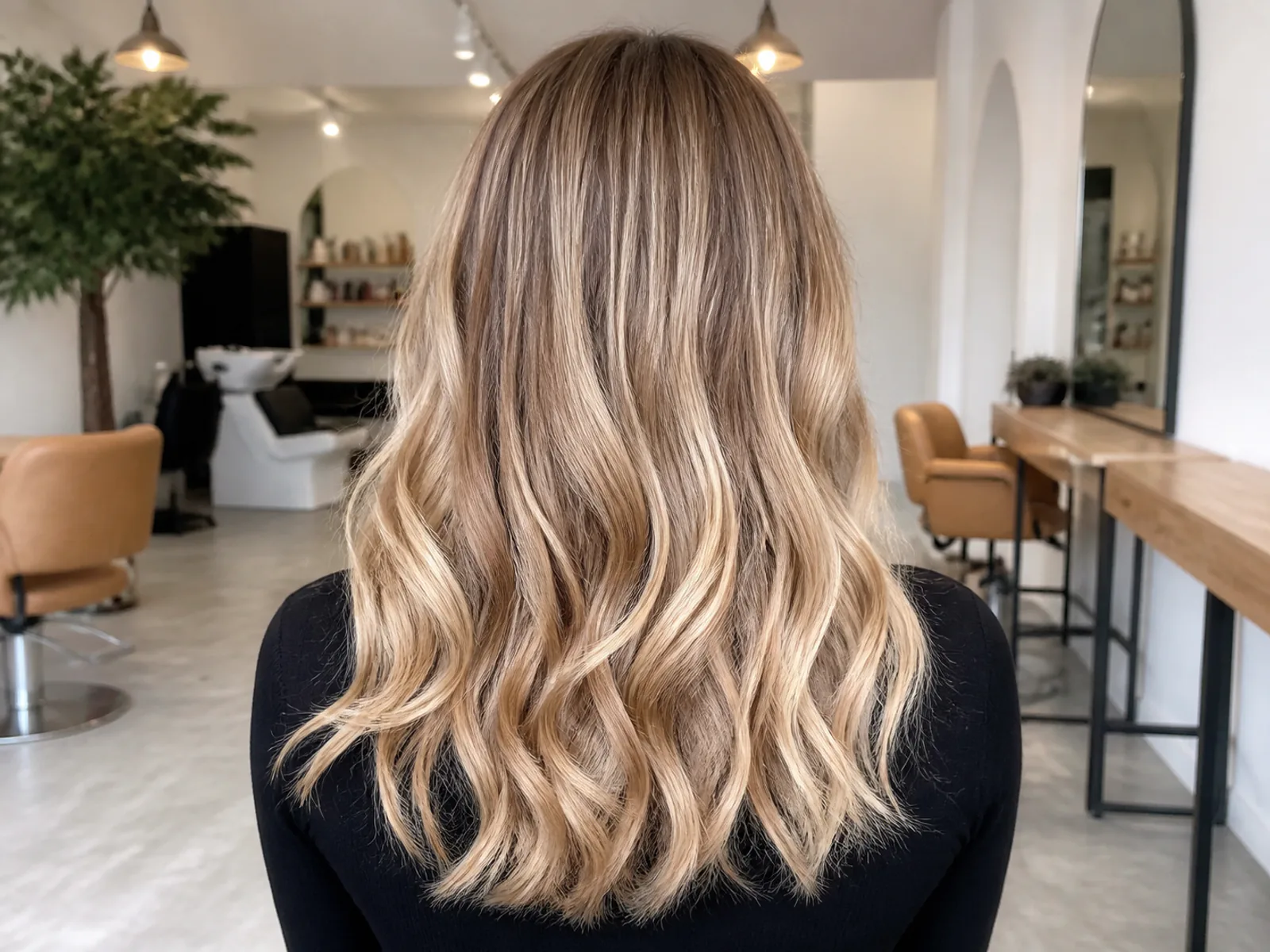
Hair toner typically lasts 2 to 6 weeks, or roughly 10 to 20 washes. The exact longevity depends on the type of toner used, how often you wash your hair, and the condition of your hair. There is no single number that applies to everyone because “toner” describes several different products, and hair responds differently depending on its porosity, texture, and colour history.
Below is a guide to what toner actually is, why it fades, and how to get the most out of your results.
Understanding Toner: What It Is and What It Is Not
The word “toner” gets used loosely, so it helps to understand what your stylist is actually applying.

Salon Toner (Demi-Permanent or Gloss)
This is the most common type of professional toner. It is a deposit-only formula — meaning it adds colour pigment to the hair without lifting or lightening. Salon toners are typically applied after lightening, highlights, or balayage to neutralise unwanted warm tones such as brassiness or to shift the shade toward a specific target, such as ash blonde or rose gold.
Demi-permanent toners use a low-volume developer and penetrate the outer layers of the hair shaft slightly. This is why they generally last longer than a semi-permanent formula but still wash out over time.
Semi-Permanent Toning Products
Semi-permanent formulas deposit pigment without a developer and usually wash out more quickly. They may be used for gentler toning effects or for clients who want a temporary colour shift.
Purple Shampoo and Toning Shampoo
Purple shampoo, or blue shampoo for some warmer brunette tones, deposits a small amount of pigment during washing to temporarily neutralise warmth. It is a maintenance tool — not a replacement for a professional salon toner. It will not create the same depth of tone correction or longevity as a salon gloss or demi-permanent service.
Permanent Colour and Lightener
Standard toner does not lighten natural hair. If someone says their toner “lifted” their colour, they may be describing a different service, such as lightener or permanent colour formulated to lighten. Standard toning products are deposit-only.
Toner Comparison Table
| Product | Main Purpose | Typical Behaviour | Does It Replace Salon Toner? |
|---|---|---|---|
| Salon toner (demi-permanent gloss) | Neutralise brassiness, refine shade | Typically lasts 2–6 weeks; uses low-volume developer; salon-applied | — (this is salon toner) |
| Semi-permanent toning product | Gentle tone adjustment | Usually fades faster; no developer | No — shorter longevity and a lighter effect |
| Purple or blue shampoo | Maintenance between salon visits | Deposits temporary pigment during washing | No — it is a maintenance tool, not a professional correction |
| Permanent colour | Long-lasting colour change | Uses developer and may lighten natural hair, depending on the formula | No — different chemistry and purpose |
| Bleach or lightener | Remove pigment from hair | Lifts colour; does not provide the finished tonal refinement by itself | No — it lightens rather than serving as a deposit-only toner |
What Makes Hair Toner Fade Faster?
Several factors work together to determine how long your toner holds. Some are within your control; others are related to your hair’s natural characteristics.
Washing Frequency
This is the single biggest factor. Every wash removes a small amount of deposited pigment. Clients who wash daily will usually see their toner fade faster than those who wash two or three times a week. If your hair colour includes a toner, reducing wash frequency may help extend the result.
Sulfates and Clarifying Shampoo
Sulfate-based shampoos are stronger cleansers that can strip toner more quickly. Some stylists recommend switching to a sulfate-free shampoo after a toner service. This may help slow fading, though individual results vary depending on the products and hair type. Clarifying shampoos are designed to deep-clean and remove buildup, so they can strip toner much more quickly than a regular shampoo.
Hair Porosity
Porosity refers to how easily your hair absorbs and releases moisture and colour. Highly porous hair — often the result of bleaching, heat styling, or chemical processing — absorbs toner quickly but can also release it quickly. This means heavily lightened hair may lose its toner faster, even though the colour appears vivid initially.
Less porous hair may take longer to absorb toner and may hold deposited colour differently because the cuticle is less permeable. Your colourist can assess porosity when choosing a formula and processing time.
Water Temperature
Hot water can raise the hair cuticle, making it easier for deposited pigment to escape. Rinsing with cool or lukewarm water may help slow colour fading.
Heat Styling
Frequent use of flat irons, curling irons, and blow dryers at high temperatures can accelerate toner fading. Repeated thermal stress can also make already porous hair more vulnerable over time.
Sun, Chlorine, and Salt Water
UV exposure, chlorinated pool water, and salt water can all accelerate colour fading. Clients who swim regularly or spend extended time in the sun may notice their toner fading faster. A hat, a suitable UV-protective hair product, and the care instructions from your colourist can help limit exposure.
Does Toner Wash Out Completely?
Yes. Because salon toner is usually a demi-permanent or semi-permanent formula, it fades gradually with each wash. As the deposited pigment fades, the underlying base colour — often warmer tones — becomes visible again. This is why blonde hair can start to look brassy a few weeks after a balayage or highlights appointment.
Why Does Blonde Hair Become Brassy Again?
When hair is lightened, the natural warm pigments underneath — yellow and orange tones — are exposed. Toner temporarily neutralises those warm tones by depositing cool-toned pigment. As that cool pigment fades with washing, the underlying warmth shows through again.
This is a normal part of the colour cycle, not necessarily a sign that the toner did not work. It usually means the deposited pigment has faded and the underlying base is visible again.
Does Purple Shampoo Replace Toner?
No. Purple shampoo and salon toner serve different purposes:
- Salon toner creates a precise, controlled colour adjustment. A colourist selects the shade and formula, applies it where needed, and processes it for a set time. The result may last 2 to 6 weeks.
- Purple shampoo deposits a small amount of violet pigment during a normal wash. It can help maintain cool tones between salon visits, but it cannot replicate the precision or longevity of a professional toner service.
Using purple shampoo too frequently can also create unwanted effects: hair may become overly ashy, dull, or develop a slight purple cast. Follow the product directions and your stylist’s advice rather than assuming it should be used with every wash.
How Often Should Toner Be Refreshed?
There is no universal schedule. The right interval depends on:
- The type of toner used. A demi-permanent gloss generally lasts longer than a semi-permanent formula.
- Your washing frequency. More frequent washing usually means a faster fade.
- Your target tone. Clients who want a very precise, cool result may notice warmth sooner than those who are comfortable with a softer tone.
- Your hair’s porosity. Highly porous hair may release toner more quickly.
A refresh is usually considered when unwanted warmth becomes noticeable or the target shade has faded. Your colourist can recommend timing based on your formula, hair condition, and maintenance routine. A hair gloss treatment between full colour appointments may also refresh tone and shine.
Can Toner Lighten Hair?
Standard salon toners are deposit-only: they add pigment but do not remove it. A standard toner cannot lighten your natural hair colour. If a shade appears lighter after toning, it may be because the toner has neutralised warm tones, creating the visual impression of a cooler result, but no lifting has occurred.
Some professional colour lines market high-lift formulas that can lighten and tone in one step. These belong to a different permanent-colour product category rather than the standard toners discussed here.
How to Help Your Toner Last Longer
- Wash less frequently. Every shampoo removes some deposited pigment. If it suits your scalp and routine, washing two or three times per week may extend the result.
- Use lukewarm or cool water for rinsing. Hot water can accelerate fading.
- Consider a sulfate-free shampoo. It may be gentler on deposited colour, though results vary.
- Limit clarifying shampoo between toner appointments unless your stylist recommends it.
- Minimise heat styling. Use a lower heat setting and apply a heat protectant.
- Protect hair from sun and chlorine. Follow your stylist’s advice if you swim often or spend a lot of time outdoors.
- Use purple shampoo strategically. Follow its directions and stop if your hair becomes dull, too ashy, or purple-toned.
- Book a toner refresh or root touch-up when warmth or regrowth begins to affect the overall result.
Frequently Asked Questions
Does toner wash out completely?
Yes. Demi-permanent and semi-permanent toners fade gradually with washing until the deposited pigment is gone and the underlying base colour is visible again.
Does clarifying shampoo remove toner faster?
Yes. Clarifying shampoos are designed to remove buildup and can remove toner pigment significantly faster than a standard shampoo. Limit them if you want your toner to last, unless your stylist recommends otherwise.
Can I use purple shampoo every time I wash my hair?
It is not generally recommended without product-specific guidance. Overuse can make hair look dull, overly ashy, or slightly purple. Follow the directions for your shampoo and ask your stylist how often it suits your colour and hair condition.
How soon after bleaching can toner be applied?
Typically immediately. During a salon appointment, toner is often applied at the basin after the lightener is rinsed out as part of the same service.
Does toner work on natural, unbleached hair?
It can add a subtle gloss or slight tone shift, but a standard toner will not lighten your natural colour. Toner is most noticeable on lightened hair where warm underlying tones need to be neutralised.
Will toner cover grey hair?
Most standard toners may blend greys slightly but do not provide the full coverage expected from a colour formula designed for grey coverage. Ask your colourist which product category matches your goal.
Does hot water really make toner fade faster?
Hot water can raise the hair cuticle and allow deposited pigment to escape more readily. Cool or lukewarm rinsing may help slow colour loss.
How is a hair gloss different from toner?
Salon terminology varies. A stylist may use “gloss” for a demi-permanent service that adds shine and refines tone, while “toner” may describe the tonal adjustment performed after lightening. Ask which formula is being used, whether it contains developer, and what longevity to expect rather than relying on the service name alone.
Ready for a Colour Refresh?
If your toner has faded and warmth is starting to show through, a toner refresh or colour appointment can bring your shade back. Browse hair colour services across Canada to find salons that offer toning, glossing, and colour correction. Check the individual salon’s services and availability before booking.
Need a salon after reading?
Use the directory, local pages, and service hubs to compare salons in Canada with more confidence.