
Events
How to Book Event Makeup in Canada
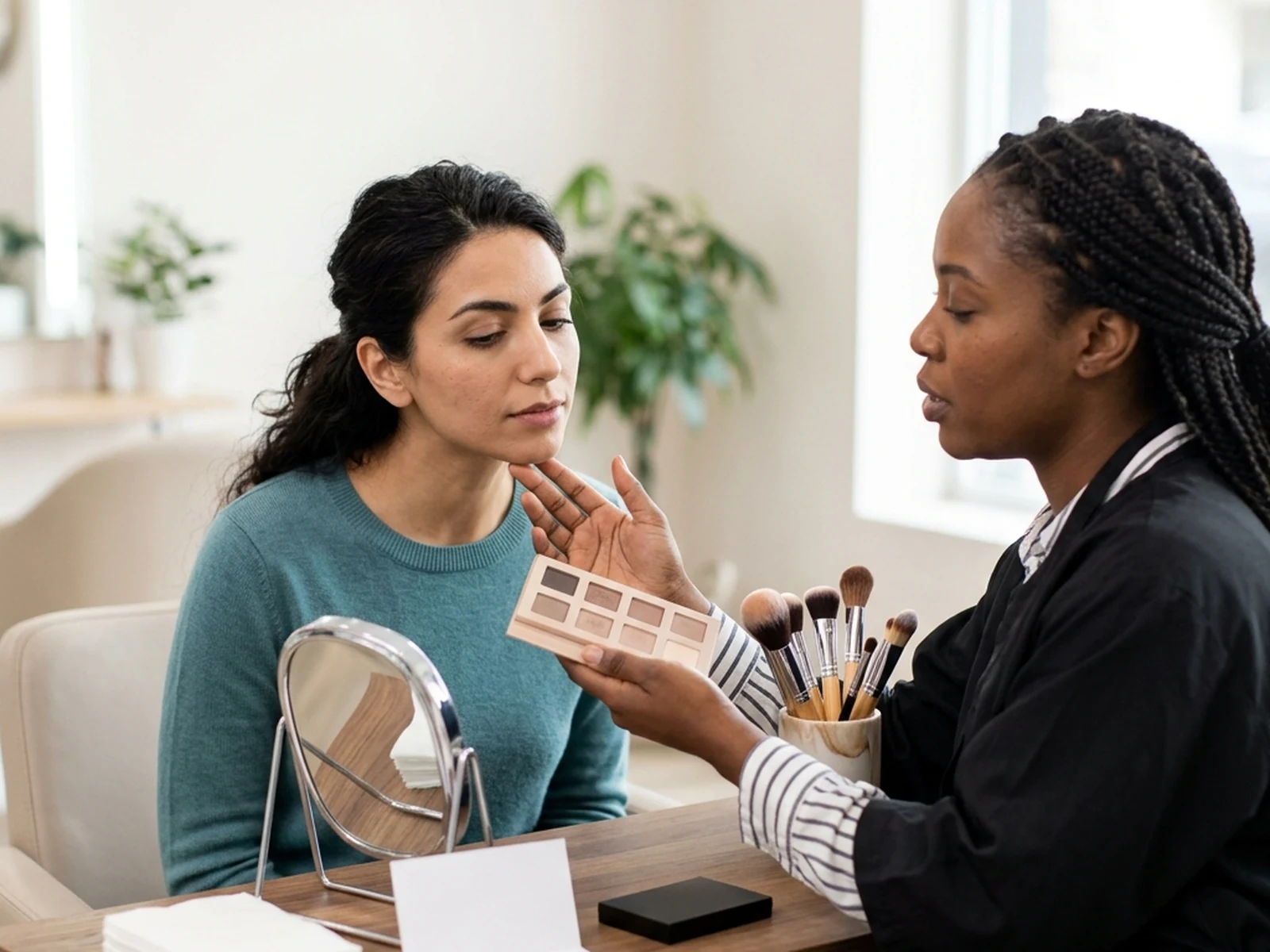
Booking event makeup is more than finding a makeup artist and picking a date. The venue, the lighting, the length of the event, and even the weather that day can all affect which products and techniques will look best and last longest. A well-planned booking saves time on the day and avoids last-minute surprises.
What to tell the salon when booking
The more context your makeup artist has, the better they can prepare. When you call or book online, try to provide:
- The type of event. A wedding, graduation, gala, or holiday party each call for different levels of formality and wear time.
- The venue setting. Indoor events under warm artificial lighting look different from outdoor ceremonies in natural sunlight. If the event moves between indoor and outdoor spaces, mention that.
- How long the makeup needs to last. A two-hour dinner requires less staying power than an all-day wedding. Knowing the duration helps the artist choose the right primer and setting products.
- Your preferred look. “Natural and polished” means something very different from “full glam with a smoky eye.” Bringing reference photos from similar occasions makes the consultation much faster.
- Whether you will be photographed. Flash photography and professional cameras can wash out certain tones and emphasise texture. An experienced event makeup artist adjusts product choices for photography.
How far in advance to book
Event makeup artists in busy Canadian cities — particularly Toronto, Vancouver, and Montreal — book up quickly during peak seasons (May through October for weddings, December for holiday events). A general timeline:
| Timing | What to do |
|---|---|
| 2 to 3 months before | Research artists, check portfolios, book a trial if it is a wedding or major event |
| 1 month before | Confirm the booking, send final reference photos, discuss any skin concerns |
| 1 week before | Confirm the timeline, arrival location, and who else needs makeup (bridal party, family) |
| Day before | Follow the skin prep advice your artist gave you; avoid trying new skincare products |
| Day of | Have a clean, moisturised face ready. Wear a button-down top so you do not have to pull clothing over your face |
For bridal makeup specifically, see the bridal makeup guide for a more detailed planning timeline.
Skin preparation before event makeup
What you do in the days before the event affects how well the makeup applies and lasts:
Hydrate. Well-moisturised skin holds makeup more evenly. In dry Canadian winters, this may mean switching to a richer moisturiser a few days before the event. In humid summer months, a lightweight hydrating serum may work better.
Avoid new products. Introducing a new skincare product within a week of the event risks unexpected reactions — redness, breakouts, or peeling. Stick with products your skin already tolerates.
Consider a facial. A professional facial can improve skin texture and glow, but it should be booked at least one week before the event, not the day before. Some facial treatments cause temporary purging or sensitivity that needs time to resolve.
Exfoliate gently. A mild exfoliation two to three days before the event removes dead skin that can cause makeup to look flaky. Avoid aggressive chemical peels or physical scrubs close to the event date.
Lip care. Dry, cracked lips are difficult to work with. Use a lip balm consistently in the days leading up to the event, especially during Canadian winter months when cold air and indoor heating dry out lips quickly.
Choosing the right finish
Event makeup finishes range from matte to dewy, and the right choice depends on the setting and your skin type:
| Finish | Best for | Consider if |
|---|---|---|
| Matte | Oily skin, long events, hot or humid venues | You do not want to worry about touch-ups |
| Satin | Most skin types and most events | You want a balanced look that is neither flat nor overly shiny |
| Dewy | Dry skin, indoor events with controlled lighting | You want a luminous, fresh-looking glow |
A skilled makeup artist can also mix finishes — for example, a matte base with a dewy highlight on the cheekbones — to create dimension. Mention your comfort level with shine so the artist can adjust.
Touch-up kit essentials
No matter how well the makeup is applied, long events benefit from a small touch-up kit:
- Blotting papers to absorb oil without disturbing the base
- Lipstick or lip gloss in the shade the artist used (ask them to note the shade)
- Compact powder for light touch-ups on the T-zone
- A small mirror that fits in a clutch
- Bobby pins and a travel-size hairspray if hair and makeup are booked together
Ask your makeup artist to put together a mini touch-up bag or at minimum tell you which products and shades they used so you can carry something similar.
Booking makeup alongside hair
If you are booking both event hair and makeup for the same occasion, coordinate the timing so that neither service is rushed:
- Hair usually goes first. Most styling holds better when set before makeup, and sitting in a styling chair does not disturb hair the way pulling a top over the head can disturb makeup.
- Allow at least 90 minutes for hair and 60 minutes for makeup as a starting estimate. Complex updos and full glam makeup take longer.
- Build in a buffer. Finishing 30 to 45 minutes before you need to leave gives time for photos, adjustments, and dressing without pressure.
For wedding-specific scheduling, see the wedding hair planning guide.
Frequently asked questions
Should I do my own skincare before the artist arrives?
Yes. Cleanse and moisturise your face with your regular products. Most artists prefer to start with a clean, hydrated base rather than bare, unwashed skin. Skip heavy SPF unless the artist tells you otherwise, because some sunscreens cause flashback in photography.
How much does event makeup cost in Canada?
Pricing varies significantly by city, artist experience, and the complexity of the look. As a general range, event makeup in Canadian cities typically starts around $80 to $120 for a standard application and can go higher for bridal or editorial looks. Always confirm the total before booking, including any travel fees.
What if I do not like the result during the trial?
A trial exists precisely for this reason. Communicate clearly about what you liked and what you would change. A good artist welcomes feedback and adjusts. If the trial result is very far from your vision, it is reasonable to try a different artist before committing.
Frequently asked questions
What should I check before booking a salon appointment?
Check the salon's specialties, pricing, cancellation policy, accessibility notes, business hours, and available profile details. It also helps to look at related service guides so you know what aftercare or maintenance may be involved.
Need a salon after reading?
Use the directory, local pages, and service hubs to compare salons in Canada with more confidence.