
Beauty
Waxing Aftercare Tips for Canadian Weather
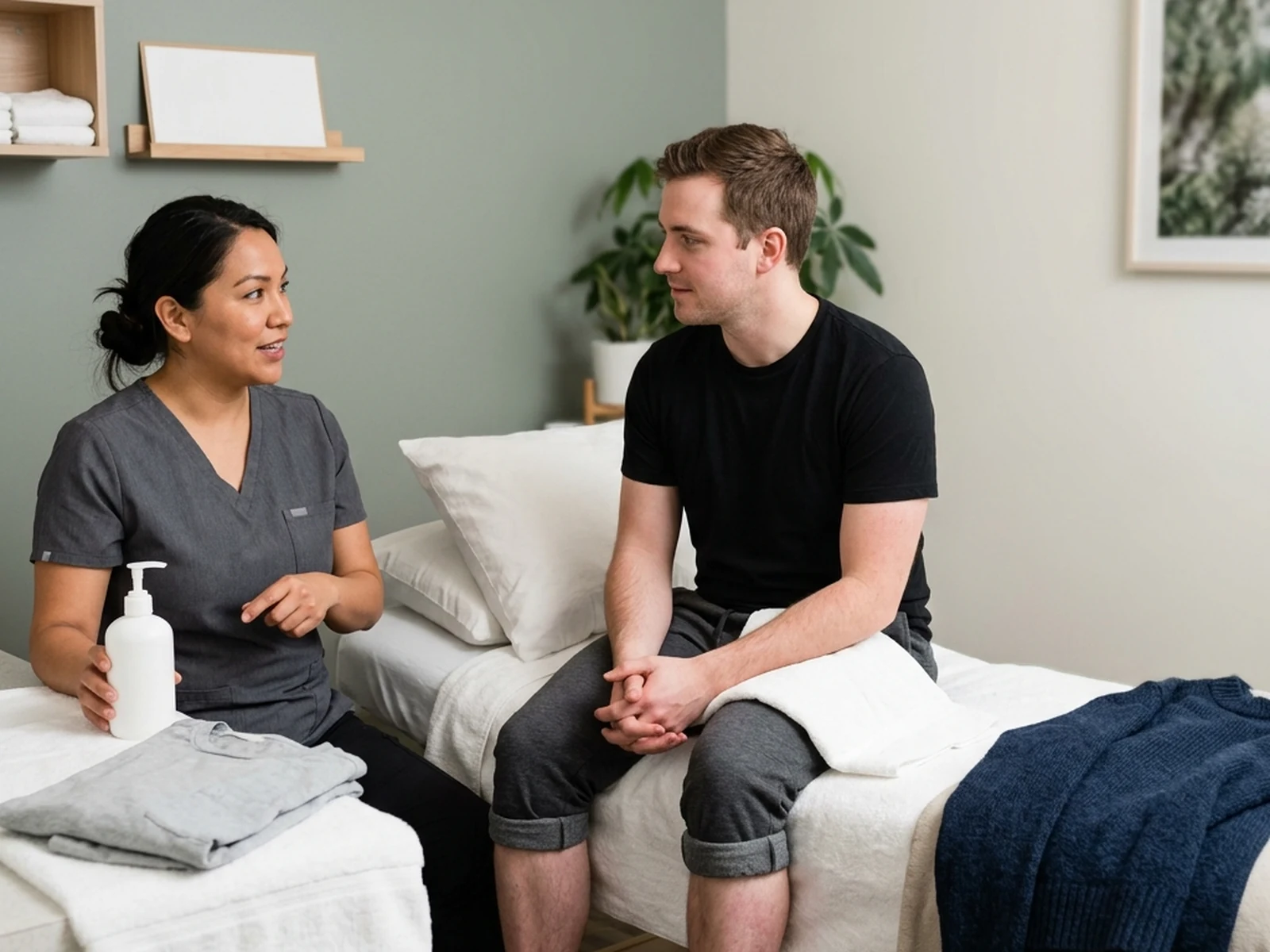
Waxing removes hair from the root, which means the skin is temporarily more sensitive, slightly inflamed, and vulnerable to irritation. How you care for the skin in the hours and days after waxing can mean the difference between smooth, comfortable results and redness, bumps, or ingrown hairs. In Canada, seasonal weather adds an extra layer — dry winter heating, humid summer conditions, and heavy winter clothing all affect post-wax skin differently.
The first 24 hours after waxing
The first day after waxing is when the skin is most vulnerable. Freshly waxed pores are open and the skin barrier is temporarily compromised. Follow these guidelines regardless of season:
- Avoid hot water. Skip hot baths, hot tubs, and long steamy showers for at least 24 hours. Warm water is fine for a quick rinse, but heat can increase inflammation and irritation.
- Skip the gym and heavy exercise. Sweat sitting in open follicles can lead to breakouts and irritation. Wait at least 24 hours before intense physical activity.
- Do not apply fragranced products. Lotions, perfumes, deodorants (for underarm waxing), and products containing alcohol or strong active ingredients can sting and irritate freshly waxed skin.
- Wear loose, breathable clothing. Tight jeans, synthetic underwear, and compression fabrics create friction against sensitive skin. Cotton and loose-fitting clothing reduce irritation during the first day.
- Do not touch the area. Even clean hands can transfer bacteria to open follicles. Resist the urge to feel for smoothness.
Aftercare by season
Canadian weather creates distinct aftercare challenges depending on the time of year.
Winter waxing aftercare
Winter is the most common time for aftercare problems in Canada. The combination of dry indoor heat, cold outdoor air, and heavy clothing creates friction and moisture challenges:
Dry indoor heating. Central heating reduces indoor humidity, which can make freshly waxed skin feel tight, dry, and irritated. Apply a gentle, fragrance-free moisturiser to the waxed area starting 24 hours after the appointment. Reapply daily.
Heavy clothing friction. Thick tights, wool layers, and tight winter jeans create constant friction against waxed legs, bikini area, and underarms. This friction is one of the main causes of ingrown hairs in winter. Choose softer fabrics against waxed skin for the first few days.
Temperature swings. Going from a heated car to freezing outdoor air and back to an overheated office multiple times per day can stress the skin. Keep the waxed area covered when outdoors and avoid extreme temperature changes when possible.
| Winter concern | What happens | Practical response |
|---|---|---|
| Dry, tight skin | Low humidity strips moisture from freshly waxed skin | Fragrance-free moisturiser daily, starting 24 hours post-wax |
| Ingrown hairs from clothing | Heavy fabrics create friction that traps regrowth | Wear softer layers against waxed skin; gentle exfoliation after day 3 |
| Redness in cold air | Cold, dry air can prolong post-wax redness | Keep the area protected from direct cold exposure |
Summer waxing aftercare
Summer presents different challenges — primarily sun exposure, sweat, and water activity:
Sun protection. Freshly waxed skin is more susceptible to sunburn and hyperpigmentation. Avoid direct sun exposure on the waxed area for at least 48 hours. After that, apply broad-spectrum sunscreen if the area will be exposed.
Sweat management. Summer heat and humidity mean more sweating, which can irritate open follicles. Shower gently after sweating and apply a light, soothing product (like aloe vera gel) to the waxed area.
Swimming. Avoid pools, lakes, and the ocean for at least 24 to 48 hours after waxing. Chlorine, salt water, and bacteria in natural water can all irritate or infect open follicles.
Lighter clothing helps. Summer clothing is generally looser and more breathable, which is naturally better for post-wax skin. Take advantage of this — avoid tight swimwear or activewear on the waxed area for the first day.
Spring and fall transitions
Seasonal transitions catch many clients off guard. The weather may feel mild, but these transition periods often bring:
- Unpredictable humidity swings that affect how the skin holds moisture
- Layering clothing that may include both rough outer fabrics and softer base layers
- Increased outdoor activity that leads to unexpected sweating
The safest approach during transitions is to follow winter aftercare guidelines (gentle moisturising, soft fabrics, avoiding friction) while also being mindful of sun exposure when warmer days arrive unexpectedly.
Preventing ingrown hairs
Ingrown hairs are the most common complaint after waxing, and Canadian winters make them worse due to clothing friction. A consistent prevention routine helps:
Wait 48 to 72 hours, then gently exfoliate. Do not exfoliate immediately after waxing — the skin is too sensitive. Starting on day three, use a gentle physical exfoliant (soft scrub or exfoliating mitt) or a chemical exfoliant (glycolic or salicylic acid at a mild concentration) on the waxed area two to three times per week.
Moisturise consistently. Dry skin makes it harder for new hair to push through the surface, which is how ingrown hairs form. Keeping the skin soft and hydrated gives regrowth a clearer path.
Do not shave between appointments. Shaving between waxing sessions cuts the hair at an angle, making ingrown hairs more likely when the hair regrows. If you are on a waxing schedule, stay on it.
Wear breathable fabrics. This is especially important in winter. Synthetic underwear and tight tights are the main mechanical causes of ingrown hairs on the legs and bikini area.
Hydration routines for waxed skin
A simple hydration routine supports smoother regrowth and more comfortable skin between appointments:
- Days 1 to 2: Fragrance-free soothing product only (aloe vera gel, calming balm, or a gentle post-wax lotion provided by your salon).
- Days 3 to 7: Switch to a gentle, fragrance-free body moisturiser. Begin light exfoliation.
- Ongoing: Moisturise the waxed area daily. Exfoliate two to three times per week. This routine reduces ingrown hairs and keeps the skin feeling smooth between appointments.
What your salon should tell you
A good waxing salon should explain aftercare before you leave. If they do not, ask about:
- How long to wait before showering, exercising, or swimming
- What products to avoid on the waxed area
- How to prevent ingrown hairs specific to the area that was waxed
- When to come back for the next appointment (usually every 4 to 6 weeks)
Browse waxing services to find salons near you, or combine with a brow shaping appointment for a fuller grooming session.
Frequently asked questions
How long should I wait before exercising after a wax?
Wait at least 24 hours. Sweat in open follicles can cause irritation and breakouts. If you are doing intense activity like hot yoga or running, 48 hours may be safer.
Can I apply self-tanner after waxing?
Wait at least 48 hours before applying self-tanner to a waxed area. Open follicles can absorb tanner unevenly, creating a dotted or spotty appearance. Exfoliate gently first, then apply.
Why do I get more ingrown hairs in winter?
Friction from heavy clothing is the primary cause. Tight tights, jeans, and synthetic fabrics press against the skin and redirect hair growth beneath the surface. Consistent gentle exfoliation and wearing softer fabrics against waxed skin are the most effective preventive steps.
Frequently asked questions
What services do salons in Canada usually offer?
Many Canadian salons offer haircutting, hair colour, balayage, blowouts, scalp care, nail services, waxing, brow and lash treatments, facials, and bridal beauty services. Individual profiles show exactly which services each salon provides.
Need a salon after reading?
Use the directory, local pages, and service hubs to compare salons in Canada with more confidence.