
Guide
Ontario Beauty Travel Guide: Seasonal Hair, Skin and Salon Planning
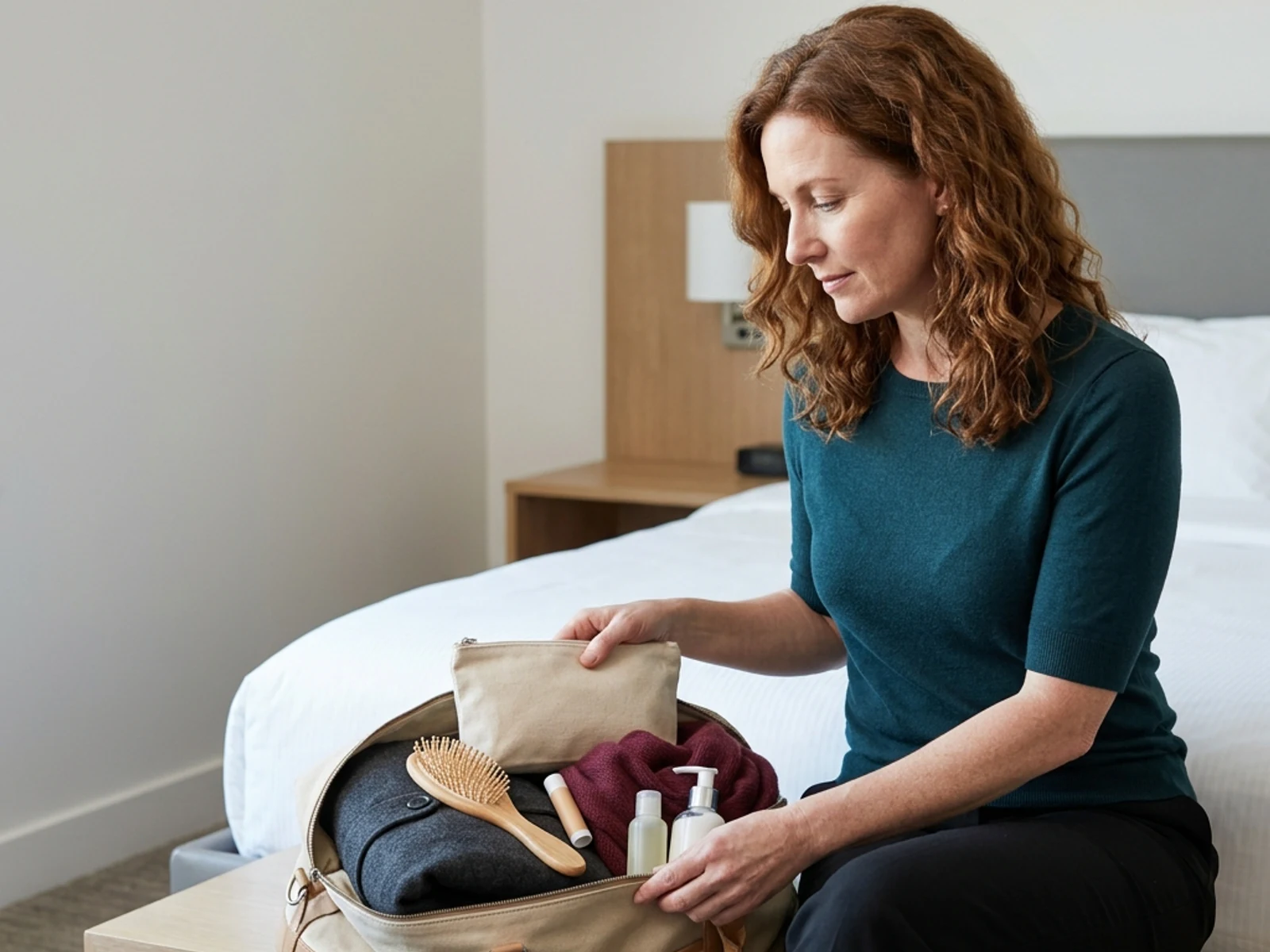
Ontario beauty planning should start with two details: the destination region and the time of year. Summer humidity in parts of Southern Ontario, strong seasonal changes in Central and Eastern Ontario, and much colder northern winters can call for different hair, skin, nail, makeup and salon choices.
Pack a small core routine first, then add only the products that fit the trip. Travellers can also compare salons in Ontario before departure when an appointment matters, but the guide remains useful without booking a service.
Start with the destination, not a province-wide assumption
Ontario does not have one uniform seasonal pattern. Southern Ontario has warm summers within a humid continental climate, and the Great Lakes moderate temperature extremes in adjacent southern areas. Central Ontario has strong seasonal variation, while the Ottawa Valley has greater temperature swings than Toronto. Northern Ontario winters are significantly colder than those in the south and can frequently fall below -30 C.
These are typical regional patterns, not a forecast for a particular trip. Check current conditions close to departure and avoid using Toronto, Ottawa or any other representative location as shorthand for the whole province.
Seasonal planning at a glance
The seasonal outline below identifies useful planning questions without implying that every region changes at the same time.
| Period | Typical destination pattern | Regional limit | Practical beauty focus |
|---|---|---|---|
| Winter, approximately December to March | Cold conditions, snow in many areas and indoor heating | Northern Ontario is much colder than the south; Central Ontario typically keeps snow cover through the core winter | Consider static-prone hair, dry-feeling skin, chapped-looking lips and dry-looking cuticles |
| Spring, approximately April to May | Spring is highly variable and often brings rain; Southern Ontario can warm rapidly in May | Timing differs between south and north | Pack flexible textures and consider rain-resistant makeup choices |
| Summer, approximately June to September | Southern Ontario has warm, humid summers; July is typically the hottest month across the province | Golden Horseshoe humidity does not describe every destination | Consider lightweight skin products, optional anti-frizz styling and makeup-wear planning |
| Autumn, approximately October to November | Temperatures fall, particularly in Northern Ontario | Southwestern Ontario has the province’s longest frost-free season | Reassess moisture and styling needs as the destination cools |
Summer is a peak travel season in Ontario, but that does not predict salon availability. Confirm any appointment directly rather than assuming a seasonal booking pattern.
How Ontario’s regions differ
Southern Ontario and Great Lakes-influenced areas
Southern Ontario experiences warm summers, and summer humidity in the Golden Horseshoe often reaches uncomfortable levels. Hair may become frizz-prone or lose volume, while some travellers may notice more visible shine. A lightweight routine and an optional anti-frizz product may be useful, depending on hair type and plans.
The Great Lakes moderate temperature extremes only in adjacent southern areas. That influence should not be expanded to all of Southern Ontario or used to claim that every lakeside destination has identical humidity, snow or wind.
Southwestern Ontario
Southwestern Ontario has the longest frost-free season in the province. That fact supports planning for a longer transition between colder and warmer routines, but it does not establish one continuous level of summer heat or humidity. A traveller crossing seasons may prefer adaptable products instead of packing only a winter or summer kit.
Central Ontario
Central Ontario has strong seasonal temperature variation and typically maintains snow cover through the core winter. Lake-effect snow is prominent around Georgian Bay and Lake Huron. Those statements describe specific seasonal and geographic patterns; they do not mean every central destination receives the same snowfall.
For a winter visit, a leave-in conditioner, lip product, hand cream and cuticle product may be useful additions to the core kit. In summer, start with a lighter routine and adjust after arrival rather than assuming conditions will match the Golden Horseshoe.
Eastern Ontario and the Ottawa Valley
The Ottawa Valley experiences more extreme temperature swings than Toronto. Travellers visiting during a seasonal transition may therefore prefer a versatile moisturizer and flexible makeup textures instead of choosing from one recent Toronto forecast.
This comparison is between the Ottawa Valley and Toronto. It does not mean that all of Eastern Ontario has the same winter severity, summer heat or seasonal timing.
Northern Ontario
Northern Ontario winters are significantly colder than those in the south and can frequently fall below -30 C. Autumn temperatures also fall sharply in the north, and summers are shorter than in southern parts of the province.
For cold-season travel, some people may prefer richer cosmetic moisture, a lip product and a leave-in hair product. Pack any formulation that is difficult for you to substitute, and confirm local stock directly if a particular product matters.
Adjusting from a different origin climate
An origin-climate comparison is a packing prompt, not a prediction of how an individual will respond. Observe comfort and appearance after arrival before replacing a familiar routine.
| If you are arriving from… | Destination contrast to check | A cautious starting plan |
|---|---|---|
| A more humid climate | Cold-season Ontario, especially Central or Northern destinations | Bring a familiar leave-in conditioner and a richer moisturizer as optional backups |
| A drier climate | Summer in the humid Golden Horseshoe | Pack one lightweight moisturizer and one anti-frizz option rather than rebuilding the routine in advance |
| A warmer climate | Northern or Central Ontario in winter | Prioritize lip, hand, cuticle and static-control categories |
| A colder climate | Southern Ontario in summer | Consider lighter skin textures and makeup-wear options if humidity is relevant to the destination |
| A coastal climate | A Great Lakes-influenced or inland destination | Do not assume familiar coastal conditions; compare the exact Ontario region and season |
Build a flexible routine without overpacking
A flexible routine uses familiar products in different combinations instead of assigning a separate kit to every possible condition. Start with the cleanser, moisturizer, hair cleanser, conditioner, lip product and grooming tools already used at home. Add one richer option for a cold-season trip or one lighter option for humid southern travel. This gives the routine room to change without filling the bag with products that may never be opened.
On the first day, keep the routine simple. Use familiar cleansing and moisture products, then observe hair finish, cosmetic scalp comfort, skin feel, lip comfort, cuticles and makeup wear. Change one category at a time. For example, add the anti-frizz product before changing shampoo and conditioner, or switch moisturizer texture before replacing the entire skin routine. This is an editorial testing method, not a claim that every traveller needs an adjustment period.
For a trip that crosses regions, divide the kit by function rather than by place. A leave-in conditioner can be an optional static-control format in a cold destination and a familiar conditioning step elsewhere. A lightweight moisturizer can serve warmer days, while a richer one remains available for cold outdoor time or an indoor environment that feels dry. The products should not be labelled as guaranteed solutions for a named region.
Seasonal transitions need the same restraint. Ontario spring is variable, and Southern Ontario can warm rapidly in May, so one adaptable base is more practical than choosing only winter or summer textures. In autumn, especially when travelling north, reassess the forecast and daily plans before adding colder-season categories. These patterns help frame a packing decision, but they do not set a fixed date on which every routine must change.
Before booking a service, ask whether the appointment has a purpose independent of weather. Maintenance that is already due, styling for an event or a consultation after relocation can be reasonable scenarios. Booking because humidity, cold or rain supposedly requires a treatment is not. This distinction keeps the trip plan useful even when the traveller chooses no salon appointment.
It also helps to separate a packing decision from a shopping decision. A product used every day and difficult to substitute belongs in the bag, especially for a short stay. A bulky basic may be purchased after arrival on a longer stay, but only after a suitable option and shopping opportunity are confirmed. An optional product should earn its place through the destination, season or itinerary. If it answers none of those questions, leave it at home. This approach avoids unsupported assumptions about local stock and keeps the traveller from testing several unfamiliar products at once.
Finally, leave schedule space around appointments that have provider instructions. Confirm those instructions before departure, note any water or activity timing that applies to the actual service, and avoid stacking several new services into the first days of a move. The goal is practical sequencing, not a claim that travel or Ontario conditions make the service risky.
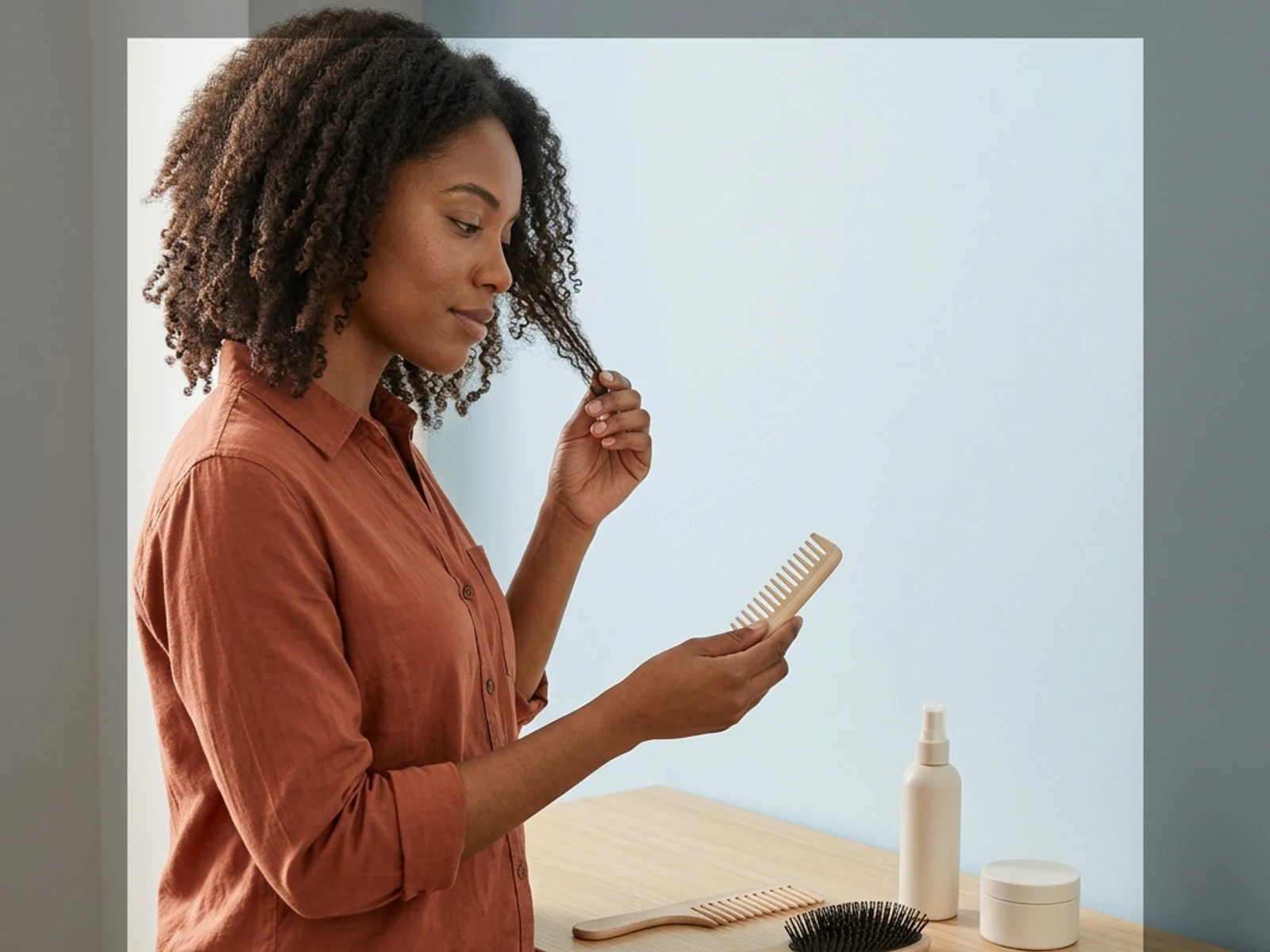
Hair and cosmetic scalp comfort
Humid-weather styling in the south
High summer humidity in Southern Ontario may contribute to frizz or flat-looking roots. Some travellers may find a lightweight anti-frizz product useful. If an event style matters, a blowout service can be timed close to the event, with the understanding that no style is guaranteed to resist humidity.
Avoid turning humid weather into a reason that everyone should book smoothing. If a traveller is already considering a keratin treatment for a long summer stay, a pre-travel consultation can address the service and its provider-specific aftercare. Weather alone does not establish suitability or guarantee a result.
Cold-season static
Dry indoor air can contribute to static-prone hair, and friction from heavy winter clothing can add to it. A leave-in conditioner or another familiar conditioning format may be useful. Choose the least complicated routine that keeps hair comfortable and manageable; no salon service is required.
For an extended northern or central winter stay, a deep-conditioning service may be an optional appointment after arrival. Describe it as cosmetic conditioning, not repair of an environmental or medical problem.
Cosmetic scalp planning
Cold-season routines may call for gentler cleansing or moisturizing hair-care formats when cosmetic scalp comfort changes. Avoid diagnosing a dry scalp or using weather to infer a condition. The cosmetic scalp care guide explains non-medical questions to discuss with a salon.
Persistent, painful, sudden or otherwise concerning scalp symptoms are outside this guide and should be discussed with an appropriate licensed healthcare professional.
Skin and lip choices by season
Cold outdoor air and indoor heating may leave skin feeling dry or tight. A richer moisturizer may feel more comfortable in winter, especially for longer visits to Central or Northern Ontario. A lip product may also be useful when lips look or feel chapped in cold wind.
In humid Southern Ontario summers, some travellers may prefer a lighter lotion or gel texture. Humidity and sweat may contribute to visible shine, so a simple base and fewer layers can be easier to adjust than a long product routine. Cosmetic sun protection can remain part of an outdoor routine without promising prevention or medical outcomes.
A hydrating facial is an optional cosmetic service to research, not a substitute for daily care and not a treatment for a medical skin concern. Product or service choice should remain personal and provider-led.
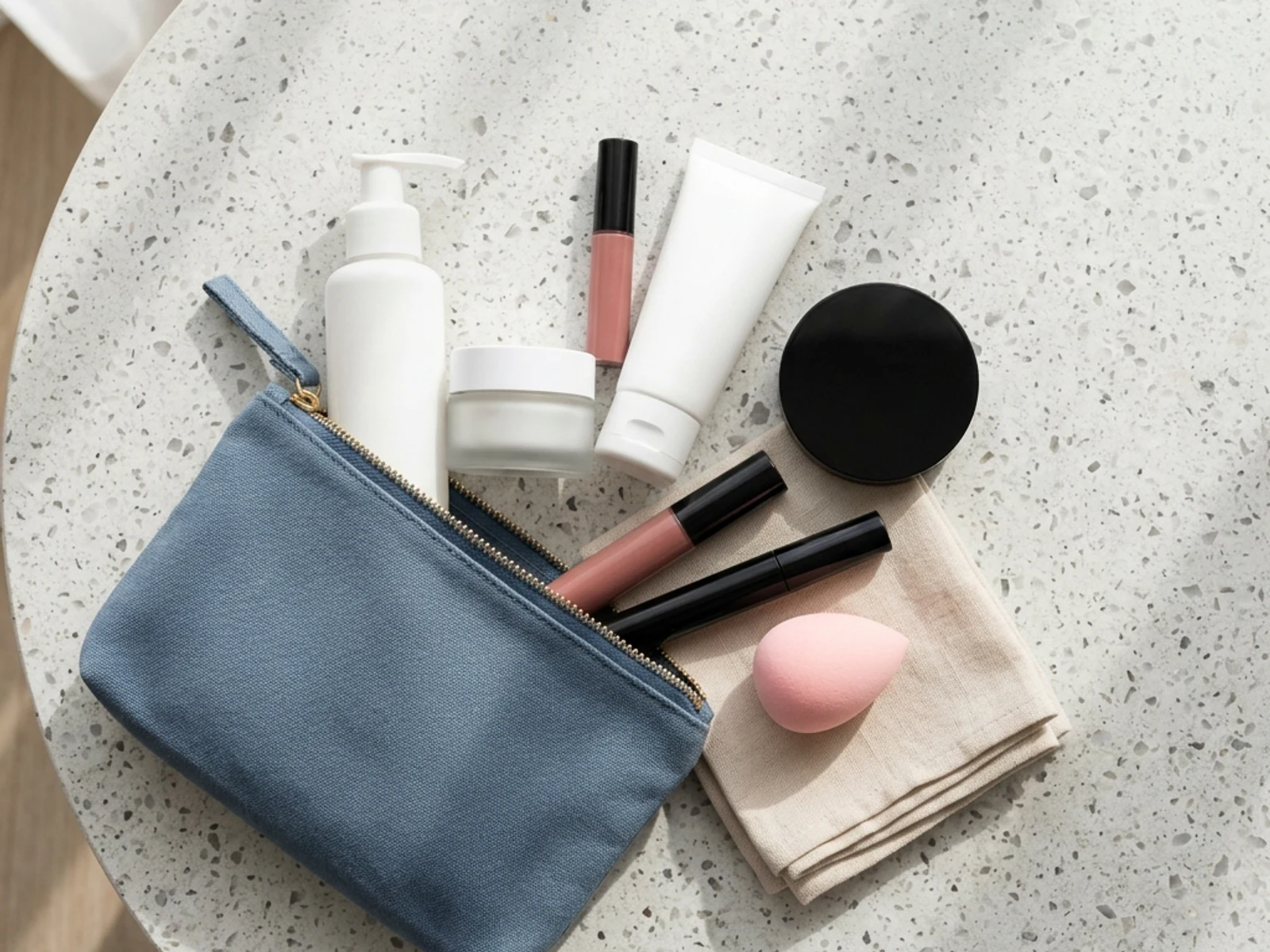
Nails and cuticles
Indoor heating may contribute to dry-looking cuticles, and nails may look more brittle in dry winter air. A small cuticle product and hand cream are compact options for cold-season travel. They should be presented as comfort and appearance choices, not as treatment for cracked, bleeding or diseased skin.
A pre-trip manicure can suit a traveller who already wants nail maintenance. It is not necessary for a weekend, and no universal service schedule applies. For active trips, choose a length and finish that fit the planned activities.
Brows, lashes and makeup
Spring is highly variable and often rainy, so waterproof eye makeup may be a useful option rather than a requirement. Cold air can also contribute to watering eyes, which may affect makeup wear. Pack a tested format instead of buying an unfamiliar one for the trip.
In the humid Golden Horseshoe, a lighter base or setting product may be worth considering. In cold months, powder makeup may appear cakey for some travellers, making a lighter application or cream texture a practical alternative.
For a special occasion, event makeup services can be researched in advance. A lash lift is another optional pre-trip service, but its aftercare should be confirmed with the provider and timed around rain or water exposure.
Packing checklist
Start with a compact kit and add regional or seasonal categories only when they answer a real need.
Core routine
- Gentle cleanser
- Versatile moisturizer
- Lip product
- Familiar hair cleanser and conditioner in travel sizes
- Basic makeup and grooming tools actually used at home
Cold-season additions
- Richer moisturizer if preferred
- Leave-in conditioner or another static-control format
- Hand cream and cuticle product
- A lip product suited to outdoor use
Warm or rainy-season additions
- Lightweight moisturizer
- Optional anti-frizz styling product for humid southern destinations
- Waterproof eye makeup for spring rain
- Setting product if makeup longevity matters
- Cosmetic sun-protection format for outdoor plans
The professional haircare guide can help compare product categories without implying that professional products are universally better.
What to bring and what to buy after arrival
Plan at the product-category level and confirm retailer inventory when a specific item matters.
| Decision | Usually bring | Consider buying after arrival |
|---|---|---|
| Personal fit matters | Trusted skincare, leave-in conditioner, anti-frizz product, setting product | Replace only after confirming a suitable alternative |
| Needed on the first day | Seasonal moisturizer, lip product, compact hair tools | Do not rely on an arrival-day shopping stop |
| Bulky basics for a stay longer than two weeks | Enough for the travel day | Standard shampoo, conditioner and body wash after checking local options |
| Restricted or awkward luggage items | Review current carrier rules before packing | Purchase locally only after checking availability and trip value |
For a short visit, decanting familiar products is usually simpler than shopping. For two to four weeks, buying bulky basics may reduce luggage weight. For relocation, use the first weeks to observe the destination and compare replacements gradually.
Salon services to consider
Services are optional planning choices. These scenarios do not establish personal suitability.
| Service | Traveller scenario | Timing to consider | Limitation |
|---|---|---|---|
| Deep conditioning | Winter visit | After arrival | Cosmetic conditioning only; no repair claim |
| Blowout | Southern Ontario summer event | Day of event | No humidity-proof promise |
| Keratin treatment | Long southern summer stay | Consultation before travel | Weather alone does not make it appropriate |
| Haircut | Relocation | After arrival | Useful only if maintenance is due |
| Scalp-care service | Winter visit | After arrival | Cosmetic comfort only; no diagnosis |
| Manicure | Weekend trip | Before travel | Optional maintenance |
| Pedicure | Summer visit | Before travel | Optional and activity-dependent |
| Lash lift | Spring trip | Before travel | Confirm provider aftercare and water timing |
| Brow shaping | Any trip | Before travel | Optional grooming choice |
| Event makeup | Summer event | Day of event | No wear or waterproof guarantee |
Services to time carefully
Major hair colour services immediately before heavy summer lake swimming may create an inconvenient maintenance conflict. A traveller planning both can ask the colour provider how to sequence the appointment and activities; avoid adding unsupported claims about exact colour loss.
Fresh lash extensions may need to stay dry for the first 48 hours when spring rain is a concern. Confirm the instructions for the actual service instead of treating that interval as universal aftercare for every lash system.
A traveller already considering chemical smoothing may discuss timing before a long, humid-weather stay. This is not a province-wide recommendation and does not imply that smoothing is automatically appropriate for humidity.
Routines by trip length
Weekend
Pack the core routine in travel sizes and add one seasonal category if needed. A salon appointment is usually unnecessary unless it is part of an event or an existing maintenance plan.
One week
Bring the product categories that would be difficult to replace, such as a familiar moisturizer or styling product. An event appointment can be planned close to the event, with enough time for provider instructions.
Two to four weeks
Bring personal products and consider buying bulky basics after confirming local options. A haircut, colour maintenance appointment or manicure may be worth researching only if it would normally fall within the stay.
Seasonal stay or relocation
Observe at least one destination-season pattern before replacing the whole routine. Keep notes on what changes in hair finish, skin feel, lip comfort, cuticles and makeup wear. A salon consultation can cover maintenance preferences, but should not claim to diagnose climate effects.
Mistakes to avoid
- Treating Toronto as all of Ontario. Northern cold, Ottawa Valley swings, Central Ontario snow patterns and Great Lakes influence have different scopes.
- Packing for one spring temperature. Spring is variable, and Southern Ontario can warm rapidly in May.
- Extending Golden Horseshoe humidity province-wide. Keep that humid-summer context within the supported southern region and season.
- Overhauling the routine before arrival. A compact backup is easier to evaluate than several unfamiliar products.
- Booking a service as a weather remedy. Services remain optional cosmetic choices and cannot guarantee resistance to humidity, rain or cold.
- Assuming local stock. Check a retailer or salon directly when a specific formulation or service matters.
Finding a salon
Before booking, confirm the exact service, provider instructions, appointment length and location. Travellers heading outside a familiar city should verify availability directly rather than relying on a province-wide assumption. Keep specialist questions with the salon and medical concerns with an appropriate healthcare professional.
Frequently asked questions
What should I pack for an Ontario winter?
Start with a gentle cleanser, a moisturizer that can feel comfortable in cold-season conditions, a lip product, hand cream, a cuticle product and a leave-in conditioner if static is a concern. Northern Ontario is much colder than the south, while Central Ontario typically has core-winter snow cover, so refine the kit by destination. Bring familiar products when substitution would be difficult, but avoid adding several products before observing what you actually use.
How can Southern Ontario summer humidity affect hair?
Humidity in the Golden Horseshoe may contribute to frizz or flat-looking roots. Some travellers may prefer a lightweight anti-frizz product, while others may only need to adjust styling expectations. This applies to the supported southern context, not every Ontario destination. If an event style matters, time it near the event and avoid expecting any product or salon service to make it humidity-proof.
Is winter air dry everywhere in Ontario?
Cold outdoor air and indoor heating may coincide with dry- or tight-feeling skin and static-prone hair, but Ontario’s winter length and severity vary by region. Northern Ontario is significantly colder than the south, and Central Ontario has its own snow pattern. Plan by destination and indoor routine rather than treating the whole province as equally dry at the same time.
Should I get a keratin treatment before moving to Ontario?
Only if you were already considering cosmetic smoothing and a qualified provider agrees it suits your goals. For a long summer stay in Southern Ontario, a pre-travel consultation can address timing where humidity may contribute to frizz. Keratin is not necessary, suitable for everyone or guaranteed to control humidity. Ask about the specific service and aftercare before committing.
Do I need a heavy moisturizer for Ottawa in winter?
A richer moisturizer may be worth considering, but it is not universally required. The Ottawa Valley has more extreme temperature swings than Toronto, and cold outdoor air combined with indoor heating may leave some skin feeling tight. Bring a familiar richer option, then adjust according to comfort. This is cosmetic guidance, not treatment advice.
What may help with static-prone winter hair?
Dry indoor air and friction from heavy winter clothing can contribute to static. A familiar leave-in conditioner, lightweight conditioning format or gentler handling may be useful. Choose one change at a time so you can tell whether it adds value. Persistent or concerning scalp or hair symptoms fall outside cosmetic travel planning.
Can I rely on finding my usual shampoo in a smaller community?
Do not assume a specific formulation will be available in every Ontario community. Bring enough of an essential product for the trip or confirm stock directly before arrival. For a longer stay, basic shampoo, conditioner and body wash may be reasonable local purchases once you have checked suitable options.
Is waterproof makeup necessary for an Ontario spring trip?
No. Spring is variable and frequently rainy, so waterproof eye makeup may be useful when makeup longevity matters. A tested water-resistant option can be simpler than changing the entire routine. Check the current forecast and planned activities, and skip the category when it adds no value for your trip.
Informational boundary and final summary
Ontario travel beauty planning works best when it stays regional, seasonal and optional. Build a small core routine, add only destination-relevant categories, and time appointments around the actual trip rather than treating a service as protection from weather.
Recheck the forecast, itinerary and provider instructions shortly before departure. Those current details should guide the final packing and appointment decisions.
This guide covers cosmetic appearance, comfort, packing and salon timing. It does not diagnose or treat skin, scalp, hair or nail conditions. Persistent, painful, sudden or otherwise concerning symptoms require advice from an appropriate licensed healthcare professional.
Ready to compare salons?
Move from guide reading into local discovery with service pages, city pages, and featured salon profiles.