
Guide
Saskatchewan Beauty Travel Guide: Seasonal Routines, Products and Salon Visits

Saskatchewan beauty planning should focus on continental seasonal contrast, wind exposure and regional differences rather than treating the whole province through Regina or Saskatoon. The south and southwest support warmer, windier prairie planning, while central parkland and northern areas call for cooler-summer and longer cold-season preparation. Product and service decisions work best when they stay optional, cosmetic, realistic and clearly matched to your specific destination and trip length.
Use this guide to decide what belongs in your bag, what can wait until arrival and which optional appointments are worth timing around events, outdoor exposure or a longer stay. It is not a medical guide, a weather forecast or a product-performance promise. Beauty responses vary by person, hair type, activities and season.
What travellers should know before changing their routine
Saskatchewan conditions vary meaningfully by region and season. A few key points can help with packing and planning:
- Winter conditions at reviewed stations are very cold, with January daily averages well below freezing. Low moisture in cold air may leave skin feeling dry or tight, and hair may be static-prone.
- Summers in southern Saskatchewan are warm, with low-to-moderate afternoon relative humidity compared with humid-climate regions. Hair may need dry-air planning more than humid-frizz routines for many destinations.
- Wind is a year-round planning factor. Swift Current normals support stronger wind-aware planning than several other reviewed stations, and southern prairie areas generally require more outdoor-styling adjustment.
- Northern and parkland areas around Prince Albert support cooler conditions and longer snow-cover patterns than southern examples. Cold-season basics may be useful for longer into spring.
- Product access outside larger communities should not be assumed. Bring preferred products from home, especially for northern or rural trips.
Every salon service mentioned in this guide is optional. None is a treatment for wind, cold or dry-air effects.
Seasonal beauty planning at a glance
| Period | Approximate months | Regional differences | Hair priorities | Skin and lip priorities | Nail and makeup priorities |
|---|---|---|---|---|---|
| Winter | November-March | Prince Albert, Regina and Saskatoon are cold; Swift Current is less cold in January but still below freezing; wind chill days are present at reviewed stations | Leave-in conditioner or hair oil if hair feels dry; static-aware styling; secure styles for outdoor wind | Richer moisturizer if skin feels dry or tight; lip balm; hand cream | Cuticle oil if cuticles look dry; hand cream; waterproof mascara for wind or snow |
| Spring | April-May | South warms earlier; Prince Albert holds cooler conditions and more snow-cover signals | Flexible product weight; wind-aware styling remains important | Mid-weight moisturizer; transition gradually | Routine nail care; time services around events |
| Summer | June-August | Southern and southwestern stations are warmer with low afternoon humidity; Prince Albert is cooler; Estevan supports localized thunderstorm context | Dry-air styling rather than humid-frizz routines for most destinations; lightweight products | Lighter moisturizer if preferred; lip balm remains practical | Lighter layers for events; setting spray optional |
| Autumn | September-October | Monthly normals cool across reviewed stations; wind remains relevant | Reintroduce moisture-focused products gradually | Pack a richer option or backup | Adjust as conditions change; time services around events |
How conditions vary across the province
Saskatchewan climate normals describe representative long-term station averages, not a forecast for a specific trip. Use them to avoid overpacking and overgeneralizing, not to predict your exact travel week.
Southern prairie
Regina Airport normals show very cold winter conditions, with a January daily average well below freezing, and warm summers. Reviewed southern stations show low-to-moderate afternoon relative humidity in summer, which is drier than many humid-climate destinations. Estevan normals support a localized southeast thunderstorm context in summer that may affect outdoor event planning.
If you are visiting the south in summer and your hair tends to feel dry rather than frizzy, a moisturizing styling product may be more practical than heavy anti-frizz layering.
Southwestern Saskatchewan
Swift Current normals support stronger average wind than several other reviewed stations, making this region especially relevant for wind-aware hair and makeup planning. Loose, elaborate styles may not hold as planned during extended outdoor time.
Lip balm, hand cream and waterproof mascara may be practical for travellers spending time outdoors in the southwest. Secure hairstyles such as braids, buns and low ponytails can simplify windy days.
Central Saskatchewan and parkland
Saskatoon Diefenbaker normals show strong continental seasonal contrast, with cold winters and warm summers. Day-night and seasonal temperature ranges are large at reviewed stations, so packing flexibility matters more than committing to one product weight.
If you are visiting Saskatoon in summer, plan for warm but comparatively dry conditions rather than assuming a humid-frizz routine is needed.
Northern Saskatchewan and parkland transition
Prince Albert normals support cooler summer planning and longer snow-depth days than southern and central examples. Cold-season basics - richer moisturizer, lip balm, hand cream and leave-in conditioner if used - may be useful for longer into spring than a southern visitor expects.
Northern trips call for bringing preferred products from home. Product access may be limited outside larger centres, and same-day beauty-product shopping should not be assumed.
Adjusting when arriving from another climate
| If you are arriving from… | What may change | Practical first step |
|---|---|---|
| A more humid climate | Winter air may feel noticeably drier; hair may be static-prone rather than frizzy | Observe for a day or two, then consider a leave-in conditioner or hair oil |
| A drier climate | Conditions may be familiar, but Saskatchewan wind exposure may be stronger than expected | Wind-aware hair accessories and lip balm are practical additions |
| A warmer climate | Winter cold and wind chill may feel much more intense than expected | Pack a richer moisturizer, lip balm and hand cream; plan hat-compatible hairstyles |
| A colder climate | Southern Saskatchewan summers are warm and dry | Lighter product textures may be more comfortable |
| A coastal climate | Inland conditions involve lower ambient moisture, especially in winter | A richer moisturizer may be practical if your skin tends to feel dry |
| An inland climate | Conditions may be similar, but wind exposure and seasonal contrast can still surprise | Pack reliable basics and adjust by season |
Bring products you already know, carry enough for the first few days and adjust based on what you actually experience.
How to choose product weight without overpacking
For Saskatchewan, product weight is mostly about dry-air comfort, wind exposure and trip length. A winter visitor may want a richer moisturizer, lip balm, hand cream and a leave-in conditioner category if those products already fit their routine. A summer visitor, especially in southern or central areas, may prefer lighter skin textures but still want lip balm and hair products that support a dry-air finish.
Avoid packing as if every Saskatchewan trip is the same. A weekend in Regina, a longer stay near Saskatoon, a southwest outdoor itinerary and a northern or parkland trip do not ask the same questions. The constant is flexibility: bring the products you would be frustrated to replace, then buy bulky basics only when the stay is long enough and the destination makes that practical.
Hair planning should reflect wind as much as dryness. Hair ties, clips, a comb and one familiar conditioning or finishing product often do more for travel days than a bag full of new styling products. Makeup can also stay practical: use formulas you already trust, then add waterproof mascara or a setting product only if the activity and season justify it.
This approach also helps relocation planning during the first year. Instead of buying a full “prairie routine” before arrival, keep a short list of categories to observe during the first season: whether your hair feels static-prone, whether your skin feels tight, whether wind changes your preferred style, and whether northern, parkland or southern conditions affect what you use most. Change one category at a time so you can tell what is actually helping.
Hair care by season and region
Hair response to wind and dryness is individual. The guidance below is editorial and optional, not a certainty.
Winter: If you notice dryness, flyaways or static, a familiar leave-in conditioner, hair serum or oil may help. Hats and hoods may flatten roots; dry shampoo can be useful for refreshing volume between washes.
Summer: In most Saskatchewan destinations, summer air is comparatively dry. Hair may need dry-air planning - moisturizing products rather than humid-frizz routines - for many visits. If you are travelling to the southeast and conditions include thunderstorms, humidity-aware products may occasionally be relevant.
Wind-aware planning: Saskatchewan southern and southwestern prairie areas are especially relevant for wind-aware styling. Loose elaborate styles may need adjustment for outdoor time. Braids, secure buns, low ponytails or other contained styles can simplify windy days.
Curly and textured hair: If you already have preferred products for your curl pattern, bring them. Experimenting with unfamiliar products during a trip adds unnecessary guesswork.
For broader winter hair routine context, use the Canadian winter haircare article.

Cosmetic scalp comfort while travelling
If your roots look flat or feel oily after wearing a hat or hood, adjusting wash timing and avoiding excessive product buildup are reasonable cosmetic responses. A lightweight dry shampoo between washes can help refresh volume for some travellers.
These are cosmetic comfort suggestions. Persistent discomfort belongs with a healthcare professional. This guide does not address medical scalp concerns.
Skin and lip routine adjustments
Dry-feeling or tight-feeling skin is a relevant cosmetic concern during cold Saskatchewan winters. The strongest supported guidance is simple: use a gentle cleanser, bring a familiar moisturizer and consider a richer texture if your skin tends to feel dry in cold conditions.
Winter: Lip balm is practical throughout winter and may be especially useful in windy conditions. Hand cream may be practical if your hands feel dry after washing or outdoor time. Indoor settings may add to a dry-feeling winter routine, but this is editorial context rather than a verified Saskatchewan climate fact.
Summer: Saskatchewan summers are generally warm and comparatively dry. A lighter moisturizer texture may feel more comfortable. Lip balm remains practical for outdoor time.
Sunscreen: If cosmetic SPF is already part of your routine, it remains a reasonable personal-care packing item. This guide does not make UV-specific or sunshine claims for Saskatchewan.
For broader winter skin routine detail, use the skincare for dry Canadian winters article.
Nails and cuticles during a visit or move
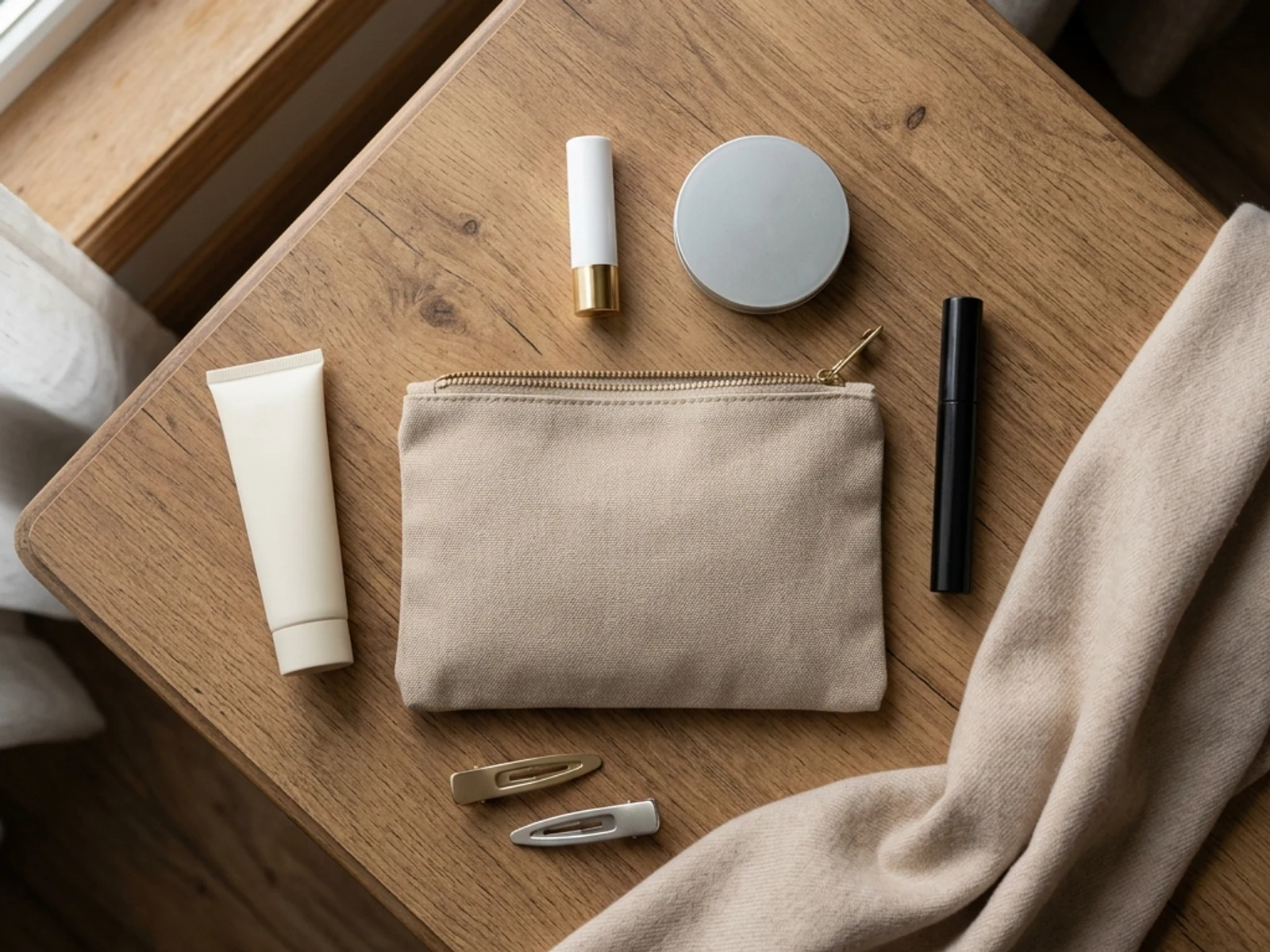
If you tend to notice brittle-looking nails or dry-looking cuticles, cuticle oil and hand cream are reasonable optional items. Glove use in winter means timing fresh polish or manicures around when gloves need to go back on; allow adequate drying or set time.
Products will not prevent nail breakage. Persistent pain or concerning changes in nails or cuticles should be discussed with a healthcare professional.
Brows, lashes and makeup
Makeup formula: Whether cream or powder makeup feels better depends on personal comfort and finish. Some travellers may find that makeup texture needs trial and adjustment in cold, dry conditions, but this is individual.
Water-resistant eye makeup: This category can be practical for windy, snowy or wet outdoor plans. Wind may cause eyes to water, making waterproof mascara worth considering, especially in southwestern areas.
Events: For indoor events, some travellers may prefer lighter layers or a setting spray. Setting products can be optional event tools, but no specific duration promise applies.
Lash services: If considering a lash lift or other lash service, plan around outdoor wind exposure and follow provider aftercare. The lash lift versus extensions comparison covers national service options. No lash service is wind-proof.
What beauty products to pack
This checklist uses product categories, not brands. Pack what you already know works for you.
Useful for many travellers:
- Gentle cleanser
- Lip balm
- Hand cream
- Travel containers
- Wide-tooth comb or familiar hairbrush
- Hair ties and clips
Season-dependent:
- Richer moisturizer for winter or dry-feeling conditions
- Leave-in conditioner for static-prone or dry-feeling hair
- Hydrating hair mask for longer winter stays
- Cuticle oil if cuticles tend to look dry
- Hydrating foundation category for winter, if preferred
Region-dependent:
- Extra wind-aware styling basics for south and southwest outdoor plans
- Cold-season basics for longer into spring during northern and parkland stays
Trip-dependent:
- Full-size moisturizers, shampoo and conditioner for longer stays
- Dry shampoo for hat-hair refresh in winter or longer stays
Optional:
- Waterproof mascara for wind, snow or wet outdoor plans
- Setting spray for events in warmer conditions
- Small humidifier for relocation or seasonal stay only; never required beauty equipment
What to bring from home and what to buy after arrival
| Product category | Bring from home when… | Consider buying locally when… | Season or region | Notes |
|---|---|---|---|---|
| Familiar moisturizer | You know it works for your skin | Trip length justifies a full-size purchase | Year-round; especially winter | Bring enough for the first few days |
| Lip balm | It is a preferred product | You run out during a longer stay | Year-round; especially cold or windy | An ordinary product category |
| Leave-in conditioner | You use one regularly | Relocating and settling into a routine | Winter or dry conditions | Familiar products reduce guesswork |
| Wind-secure hair accessories | You need ties, clips or pins for outdoor plans | You lose or forget them | Year-round; especially south/southwest | Practical and low-risk |
| Hand cream | You prefer a specific formula | Trip length makes buying practical | Winter | An ordinary product category |
| Specialty hair products | You rely on them for curly, textured or colour-treated hair | You relocate and want to try something local | Year-round | Difficult to substitute at short notice |
| Bulky basics | Short trip requiring only travel sizes | Staying two weeks or longer in a larger community | Year-round | Do not assume availability outside larger centres |
For product-category research, the professional skincare guide can help with comparison without making this guide a brand roundup.
Planning services around activities
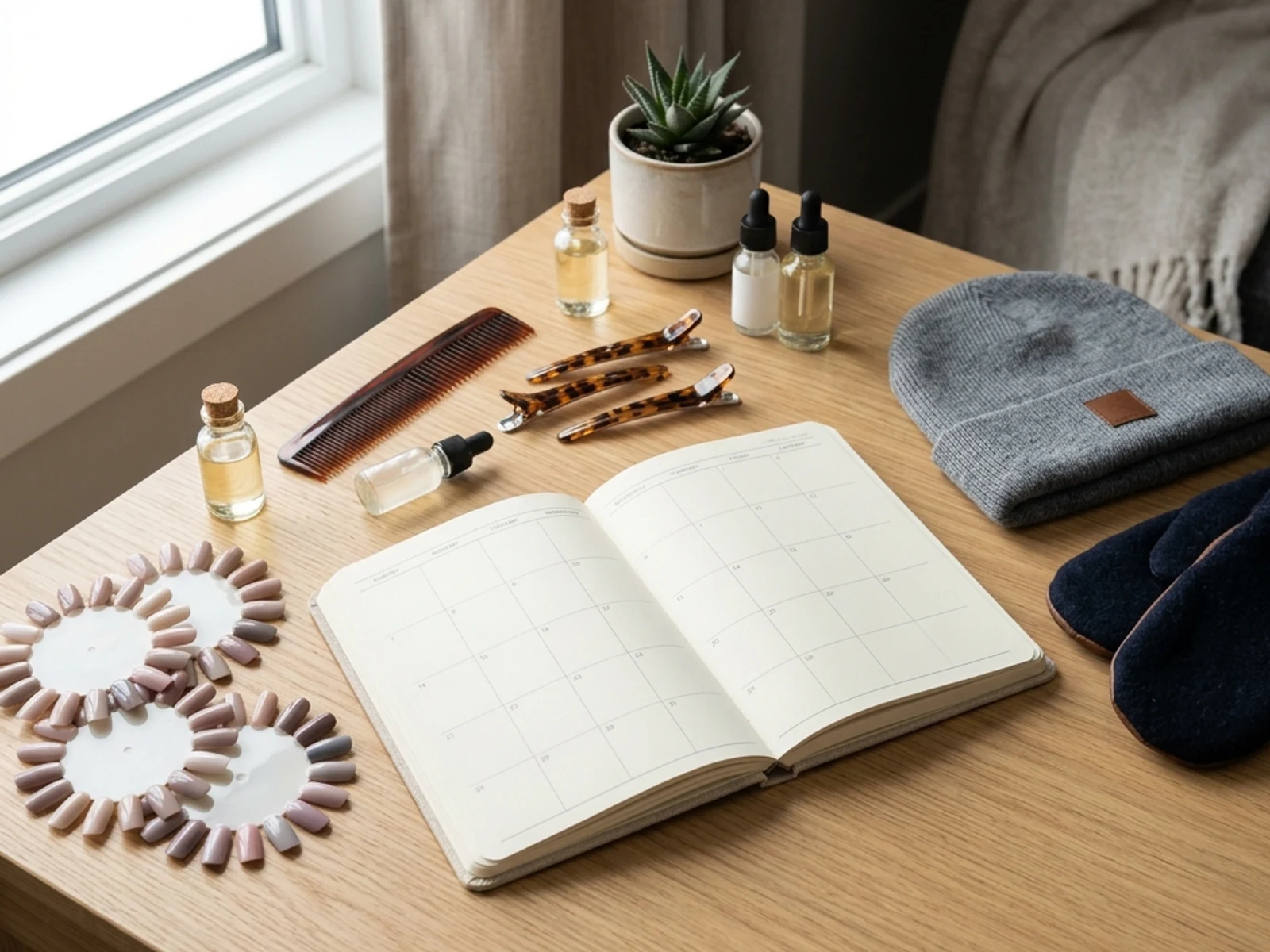
Saskatchewan service timing should begin with the activity and region. A loose hairstyle for an indoor event may be fine, while the same style for a windy outdoor photo session may need a more secure plan. A manicure before a winter trip needs enough set time before gloves, luggage handling and travel. A lash or waxing appointment should be scheduled so the provider’s aftercare can be followed without rushing into outdoor exposure or a conflicting activity.
For short trips, avoid building the itinerary around routine services unless there is an event. For two-to-four-week stays, a maintenance haircut, manicure or optional conditioning service can be easier to fit in because there is time to compare providers and adjust the schedule. For relocation, use the first few appointments as discovery: learn which local salons fit your needs before committing to major colour changes, extensions or unfamiliar services.
No service in this guide is necessary for Saskatchewan. The value is in timing ordinary grooming and event preparation around wind, cold, dry-air comfort and trip length.
Optional salon services travellers may consider
| Service | Traveller scenario | Possible timing | Season or region | Planning note |
|---|---|---|---|---|
| Hair salon research | Relocation or longer stay | Before or after arrival | All | Discovery starting point, not endorsement |
| Deep-conditioning service | Longer stay or familiar maintenance | When convenient after arrival | Winter | Optional cosmetic service, not climate repair |
| Blowout | Indoor event | Close to event; account for wind | Windy seasons or events | No promised hold |
| Haircut | Routine maintenance or relocation | Before travel or after arrival | All | No climate outcome claims |
| Hair colour maintenance | Longer stay or relocation | Allow time for provider aftercare | All | Keep colour detail in specialist content |
| Manicure | Event or routine grooming | Allow set time before gloves or travel | All | No nail-health claims |
| Pedicure | Summer event or sandal plan | Before sandals or events | Summer | Optional only |
| Brow shaping | Routine grooming | Allow usual buffer before events | All | Ordinary appointment |
| Lash lift | Lash-service research | Ask provider about aftercare before outdoor exposure | Windy or outdoor trips | Not wind-proof |
| Waxing | Pre-trip or event | Follow provider aftercare; avoid conflicting activities | All | No medical contraindications in this guide |
Services to schedule carefully
If you are considering a service with specific aftercare, such as lash services, waxing, colour or a blowout, time the appointment around your ability to follow provider instructions and your planned activities.
Blowouts and loose styles: In areas with stronger wind, especially the south and southwest, time elaborate styling close to an indoor event. A fresh blowout may not hold through extended outdoor walking on a windy day.
Lash services and waxing: Follow provider aftercare. If your plans include extended outdoor time in wind or cold shortly after a service, discuss timing with your provider.
This guide does not include universal waiting periods.
Routine by trip length
Weekend: Pack compact familiar basics: cleanser, moisturizer, lip balm, wind-aware hair accessories and one season-specific item such as hand cream or a leave-in conditioner. Skip major routine changes unless you have a specific event.
One week: Bring your established routine in travel sizes plus one optional event or service plan. Wind-secure hair accessories are practical regardless of season. Consider a blowout or manicure only if you have a specific occasion.
Two to four weeks: Bring products that would be difficult to substitute. Consider buying bulkier basics after arrival in a larger community. A mid-stay haircut or manicure may be practical if it fits your schedule.
Seasonal stay: Adjust product weights as the season changes and identify local salon or service options for maintenance. If you arrive in winter, you may gradually swap to lighter textures as summer approaches.
Long-term relocation: Observe the first full winter and summer before making major routine changes. Saskatchewan’s continental contrast can surprise newcomers; what works in January may feel heavy in July, and dry summer planning differs from humid-climate summer planning. Avoid assuming Saskatoon or Regina represents every destination.
Province-specific beauty mistakes to avoid
- Treating Regina or Saskatoon as the whole province. Southwestern Saskatchewan is windier, northern areas are cooler, and local conditions vary enough to affect packing and styling choices.
- Assuming southern wind conditions apply identically to northern or parkland trips. Wind-aware planning is most important for southern and southwestern outdoor activities.
- Saying wind makes elaborate updos impossible. Loose styles may need adjustment for outdoor wind, but “impossible” is an overstatement.
- Packing a humid-frizz routine for most Saskatchewan destinations. Summer humidity is generally low-to-moderate. Hair may need dry-air planning instead.
- Treating dry-air cosmetic advice as medical skin treatment. A richer moisturizer is a comfort adjustment, not a prescription.
Finding suitable salon services in Saskatchewan
If you are visiting or relocating and want to compare local salon options, the Saskatchewan salon directory is the strongest discovery link for this guide. Use it after you know your destination region and trip length. Every service mentioned here is optional.
Frequently asked questions
What beauty products should I pack for Saskatchewan in winter?
Pack your usual cleanser, a richer moisturizer if you tend to feel dry in cold weather, lip balm, hand cream, and a leave-in conditioner or hair oil if your hair tends to become static-prone. Wind-secure hair ties and clips are practical additions.
How do I handle hair static in the prairies?
Hair may become static-prone when air moisture is low in winter. A leave-in conditioner, hair serum or smoothing product may help reduce flyaways for some travellers. Hats and hoods can flatten roots, so dry shampoo may be useful between washes.
Is Saskatchewan humid in summer?
Reviewed southern and central stations show low-to-moderate afternoon relative humidity in summer compared with humid-climate regions. For most Saskatchewan destinations, hair may need dry-air planning rather than a humid-frizz routine. Conditions still vary by location and year.
What makeup planning helps in dry, cold weather?
Makeup texture may need trial and adjustment in cold, dry conditions. Some travellers find cream-based formulas more comfortable than powders in winter, but this depends on personal preference. Waterproof mascara is practical for windy or snowy outdoor plans.
How should I transition a beauty routine for a move to Saskatchewan?
Observe the first full winter and summer before overhauling your routine. Start with your existing products, note what feels different, and adjust one category at a time. Avoid assuming Regina or Saskatoon represents every part of the province.
Can I wear lash extensions in high wind?
Wind does not make lash services impossible, but it is practical to plan around outdoor exposure. Follow provider aftercare, and discuss timing if your plans include extended time in wind. No lash service is verified to be wind-proof.
Are deep-conditioning services worth researching for winter hair?
A deep-conditioning service is an optional cosmetic appointment that may leave hair feeling softer or easier to manage. It is not a repair for wind or cold effects. If you have a longer winter stay and your hair feels dry, it may be worth researching.
How should I manage dry-looking cuticles?
If your cuticles tend to look dry during cold or dry conditions, cuticle oil and hand cream are reasonable optional items. This is cosmetic maintenance. Persistent pain, splitting or concerning changes in nails or cuticles should be discussed with a healthcare professional.
Final practical summary
Saskatchewan beauty planning comes down to season, wind exposure, destination region and personal observation. Bring the products you already trust, carry wind-secure hair accessories, and treat salon services as convenient options rather than climate remedies. This guide covers cosmetic appearance, comfort and planning, not diagnosis or treatment.
Ready to compare salons?
Move from guide reading into local discovery with service pages, city pages, and featured salon profiles.