
Guide
Alberta Beauty Travel Guide: Seasonal Packing and Service Timing
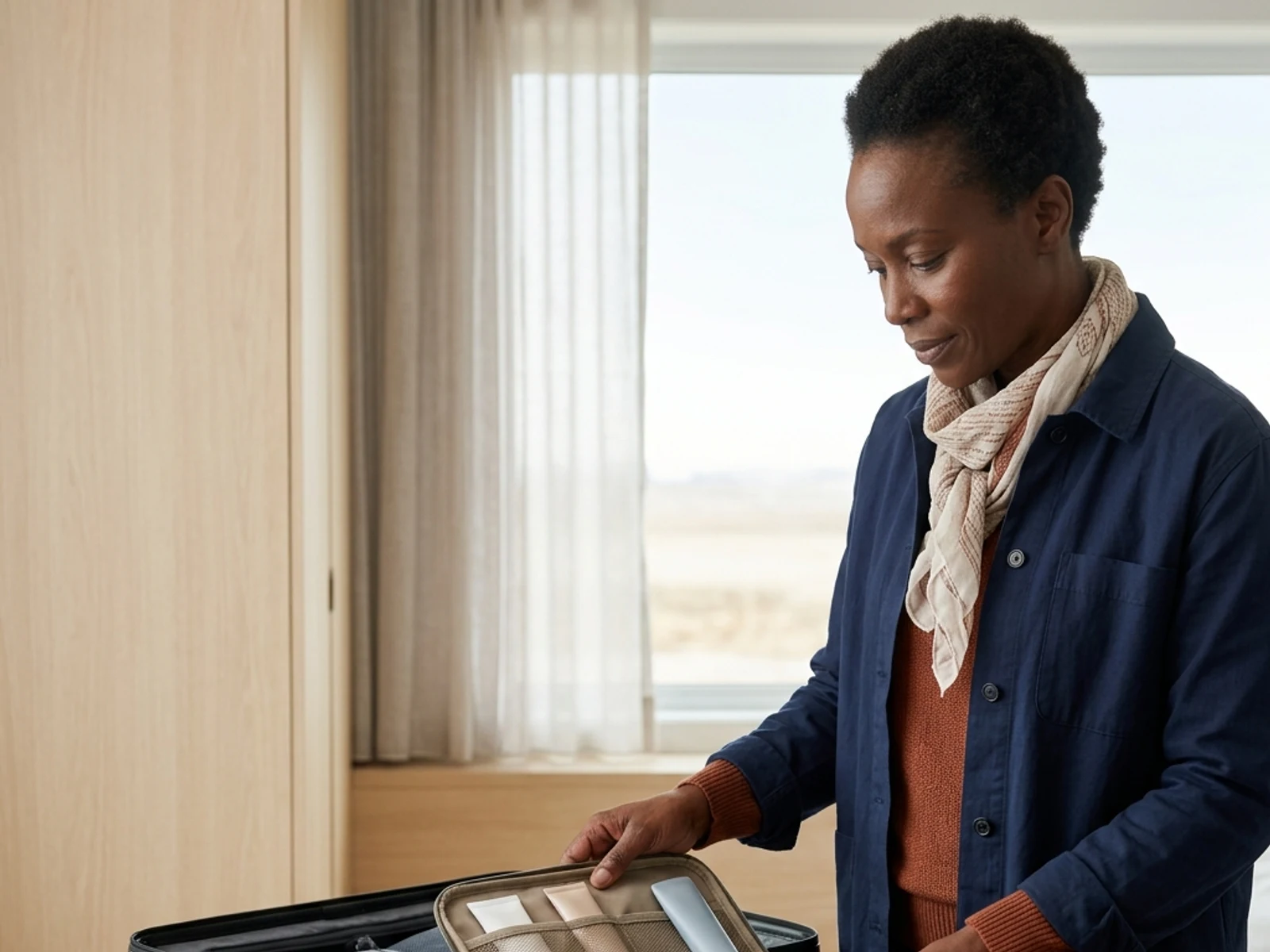
Alberta is often described as relatively dry, but conditions vary by region, season and elevation. Southern prairie, central, northern, foothill and mountain trips need different preparation. Check the destination and forecast, build a compact routine around familiar products and adjust after observing real conditions instead of packing for one province-wide climate.
What travellers should know before changing their routine
A moisturizer, lip balm, hand cream and leave-in hair product are reasonable options if you tend to feel dry or static-prone under low-relative-humidity conditions. They are not necessities for every traveller, destination or season.
Alberta is not uniformly frizz-free. Lethbridge averages 23.8 days per year with Humidex at or above 30, compared with 8.6 at Calgary Airport and 2.5 at Banff. An anti-frizz product may be useful when the destination, forecast and your hair response support it.
Snow reflection and mountain elevation can increase UV exposure. Check the current local UV forecast and follow official sun-safety guidance for the planned activity.
Chinook winds belong to a limited southern and southwestern mountain-lee context. They should not be presented as province-wide or used to predict makeup wear. The Government of Alberta’s statement that the province receives up to 312 sunny days per year is broad travel context, not a beauty mechanism.
Salon services are optional planning choices throughout this guide. A complete trip routine does not require an appointment.
A practical order for making decisions
Begin with the known parts of the trip: the destination, elevation where relevant, dates, outdoor activities, luggage space and any event already scheduled. Check the forecast close enough to departure to make it useful. Then decide whether one conditional product belongs beside the familiar core. This sequence prevents a Calgary average, a Fort McMurray winter statistic or Banff’s elevation from becoming a rule for every Alberta visit.
Keep comfort choices separate from appointment choices. A small richer moisturizer or leave-in can travel without changing the itinerary. A facial, colour or lash appointment requires provider research, aftercare and time. Short trips favour reversible product choices; a longer stay creates room to observe actual conditions and compare providers before booking.
Seasonal beauty planning at a glance
Use this table as a preparation framework, not a forecast. Conditions can differ within a region and from one year to the next.
| Period | Regional context | Hair planning | Skin and lip planning | Nails and makeup |
|---|---|---|---|---|
| Winter, usually November–March | Selected northern and central stations are colder than Calgary; snow matters for UV; some southern mountain-lee areas may have Chinooks | Pack a leave-in, oil or static-control option only if useful to you | Consider a richer moisturizer if you feel dry; carry lip balm; check the UV forecast for snowy outdoor plans | Hand cream is optional; water-resistant eye makeup may be convenient for snow or wind |
| Spring, usually April–May | Conditions are variable, and snow can persist in mountain areas | Small, flexible products make forecast changes easier to handle | Carry a familiar mid-weight moisturizer or two small texture options | Continue routine nail and cuticle care |
| Summer, usually June–August | Calgary’s July daily maximum averages 23.5°C; Banff is cooler and Lethbridge warmer in the selected normals | Anti-frizz product depends on destination, forecast and personal response | Choose a lighter texture only if preferred; keep elevation and activity in the UV decision | Choose makeup finish by comfort, not a province-wide rule |
| Autumn, usually September–October | Selected stations cool at different rates; colder conditions may arrive earlier in northern or high areas | Change products gradually rather than on a fixed date | Carry a small richer option if useful | Keep the routine flexible for the itinerary |
How conditions vary across Alberta
Environment and Climate Change Canada climate normals are long-term averages, not forecasts for a particular trip. The selected stations show why Calgary or Edmonton cannot represent the entire province.
Southern prairie
Calgary Airport has a January daily average of −7.6°C and a July daily maximum of 23.5°C. Lethbridge is milder in January at −6.0°C and warmer in summer with a July daily maximum of 26.3°C. It also has a higher annual mean wind speed than the other sampled Alberta stations and more Humidex days than Calgary.
For southern travel, use the actual destination rather than a generic Calgary packing list. In a windier itinerary, a secure hairstyle, lip balm or water-resistant eye makeup may be convenient. During warmer periods, anti-frizz product remains a personal and forecast-dependent choice.
Central parkland and prairie
Edmonton Airport has a January daily average of −12.3°C, a July daily average of 16.2°C and 38.4 days per year when the minimum falls below −20°C.
For a central Alberta winter trip, carry familiar options that can respond to the forecast: perhaps a richer moisturizer, lip balm, hand cream or leave-in product. The station values support a colder comparison with Calgary, not a claim that every indoor space has the same humidity.
Northern Alberta
Fort McMurray has a January daily average of −17.2°C, a July average of 17.3°C and 55.3 days per year when the minimum falls below −20°C. Peace River and Grande Prairie also have colder winters than Calgary in the selected normals.
Northern winter packing should prioritize enough familiar basics for the itinerary and luggage plan. Add moisture or static-control products only if they are useful to you. Cooler averages do not establish how a person’s hair, skin or nails will respond or make humidity-response products universally unnecessary.
Foothills and southern mountain lee
Parts of southern and southwestern Alberta, especially around Waterton, receive warm, dry Chinook winds that can produce rapid winter warming. The phenomenon does not occur equally across Alberta.
Check the destination forecast near the foothills and keep the daily routine easy to adjust. Chinooks can affect clothing and itinerary decisions, but the verified evidence does not connect them with product wear, makeup failure or a need for a salon service.
Mountain and higher elevation
Banff sits at about 1,397 metres above sea level. Its January daily average is −8.5°C and its July average is 14.7°C. Weather changes with elevation, and official guidance confirms that more UV reaches higher places.
For a mountain trip, check both the town-level forecast and the conditions for the actual activity. Use the UV forecast to plan official precautions, and pack cosmetic products in small formats that work across indoor time, town activities and cooler outdoor plans.
Adjusting when arriving from a different climate
Treat these as possible arrival adjustments, not predictions about an individual response.
| If you are arriving from… | What you may notice | Practical first step |
|---|---|---|
| A more humid climate | Some destinations or indoor spaces may feel drier | Observe first, then use a familiar leave-in or richer moisturizer if useful |
| A drier climate | Alberta may feel familiar, while a winter destination can still be much colder | Bring small winter texture options instead of replacing the routine |
| A warmer climate | Cold-weather outdoor plans may change how much lip and hand product you carry | Pack lip balm, hand cream and a small richer moisturizer option |
| A colder climate | Southern summer conditions may be warmer than expected | Choose lighter textures if preferred; keep anti-frizz product destination-dependent |
| A coastal climate | Inland and mountain conditions may differ from a familiar coastal routine | Check the exact destination and observe before changing products |
| An inland climate | Higher-elevation destinations may be cooler and have more UV | Check the local UV forecast and plan for the actual activity |
Bring enough familiar basics for arrival. On a longer trip, local purchases should be based on actual use and confirmed inventory rather than assumptions about all Alberta retailers.
Hair care by season and region
Relative humidity can affect hair moisture response, but Alberta does not produce one uniform hair result.
In winter, a familiar leave-in conditioner, serum or oil may be useful if you notice dry-feeling ends, flyaways or static. These are optional responses, not climate prescriptions. Use a heat-protection product only when styling with heated tools.
In summer, do not assume anti-frizz product is unnecessary. Lethbridge’s sampled Humidex frequency differs meaningfully from Calgary’s and Banff’s. Pack one familiar humidity-response product when your destination, forecast and past hair response justify it.
For curly or textured hair, prioritize products already suited to your routine. Small containers allow useful choices without turning regional uncertainty into an oversized product kit.
The Canadian winter haircare article covers broader routine options while this guide stays focused on Alberta destination and packing decisions.
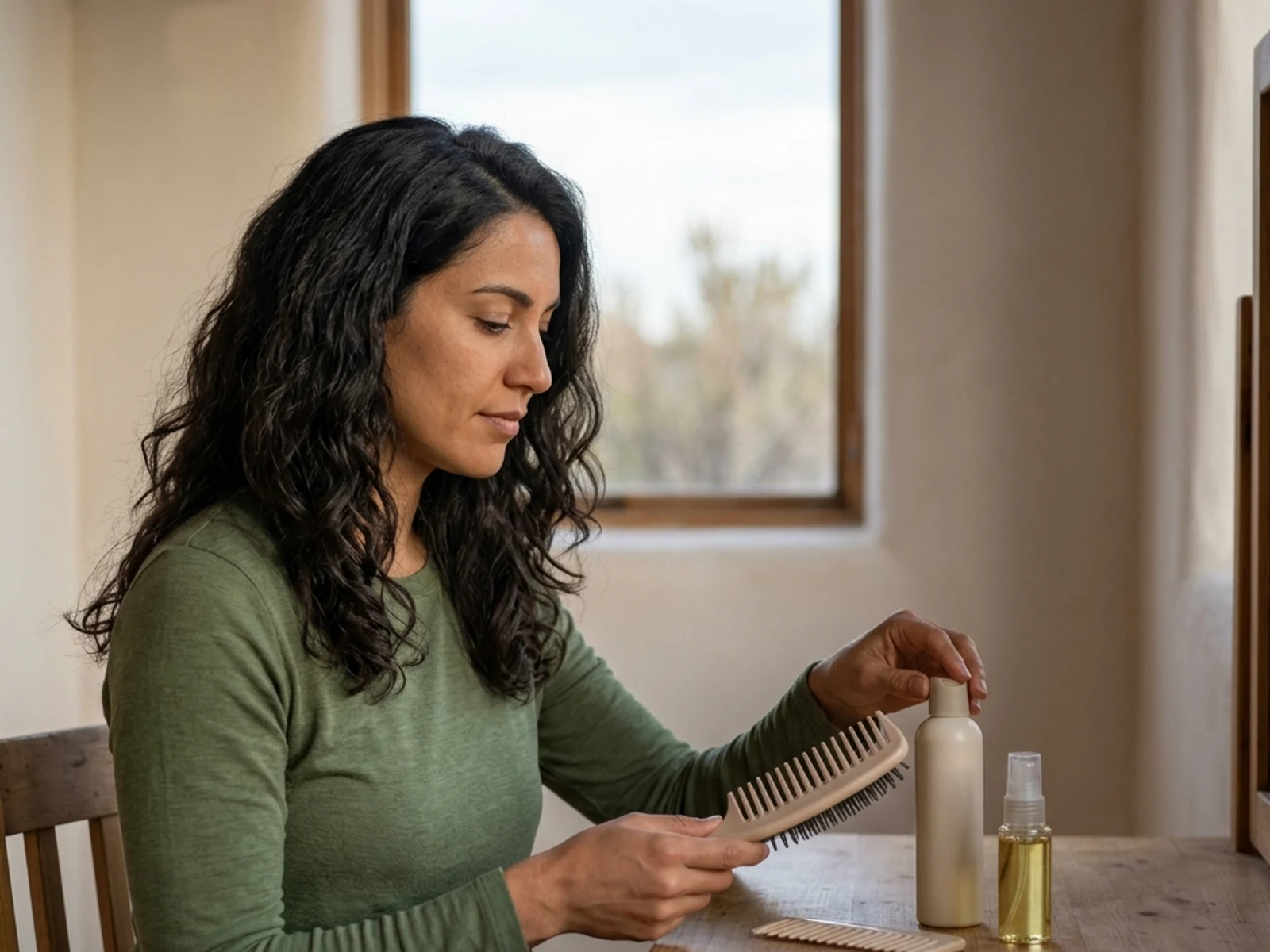
Cosmetic scalp comfort while travelling
Keep scalp guidance cosmetic and simple. If the scalp feels dry, a familiar gentle cleansing routine and a lighter product load may be easier to assess than several simultaneous changes.
A provider-defined service offered under scalp treatment services is an optional grooming choice. Review the provider’s description before booking. The cosmetic scalp care guide covers broader service-planning questions; this province guide does not address clinical scalp care.
Skin and lip routine adjustments
A gentle cleanser and familiar moisturizer are a practical starting point. Whether a richer texture is useful depends on the destination, indoor environment and personal response.
In winter, low relative humidity may leave skin feeling dry or tight, but no single humidity level was verified for all Alberta interiors. Carry a small richer option if your usual texture sometimes feels insufficient. In summer, a lighter texture may feel more comfortable, but that is a personal preference.
Fresh snow can reflect more than 80% of UV, and bright snow can nearly double exposure. More UV also reaches higher places. Check the current local forecast and follow Environment and Climate Change Canada’s precautions for the activity. Those precautions are official guidance, not a cosmetic performance claim.
For a broader routine discussion, skincare for dry Canadian winters remains the specialist resource; the Alberta guide should not repeat its full regimen.
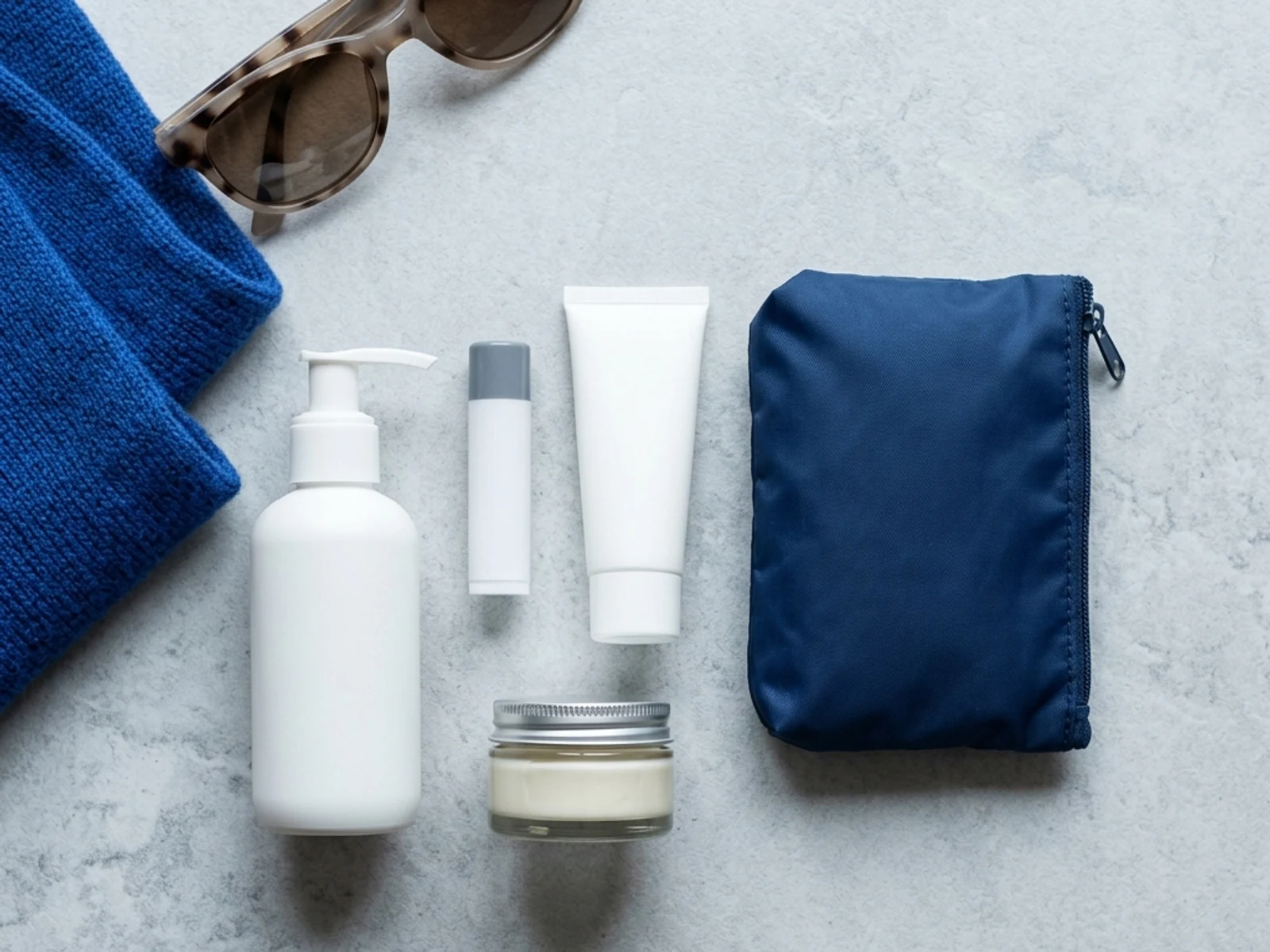
Nails and cuticles during a visit or move
Controlled research shows that low relative humidity can make nails more brittle. If you tend to notice brittle-looking nails or dry-looking cuticles under those conditions, cuticle oil and hand cream are reasonable optional items. The research does not guarantee an Alberta-specific response or prove that a product prevents breakage.
A pedicure may suit a spa visit, grooming plan or open-shoe event. It has no special Alberta-winter status and should be scheduled according to the itinerary.
Brows, lashes and makeup
Choose cream or powder makeup according to preferred finish and comfort. Neither format is verified to perform better because of Alberta’s climate.
Water-resistant eye makeup may reduce smudging during snow, wind or wet outdoor plans. For an outdoor mountain event, allow touch-up time rather than expecting any product to last through every condition.
Brow shaping is ordinary maintenance. A lash lift is another optional style choice. Time either service so you can follow the individual provider’s aftercare; do not infer cold resistance, lash health or product longevity from the destination.
What beauty products to pack
Use this as a decision checklist, not a requirement list. Choose familiar categories and omit those that do not fit the trip.
Start with familiar categories:
- Gentle cleanser and familiar moisturizer
- Lip balm
- Sun protection that follows official guidance for the forecast, elevation and activity
- Leave-in conditioner, serum or oil if it belongs in your routine
- Heat-protection product only if using heated tools
Add only when destination and experience support them:
- Anti-frizz product when the southern destination, forecast and hair response support it
- Small richer moisturizer option for cold or dry-feeling conditions
- Hand cream and cuticle oil if useful to you
- Hydrating serum only if it is already part of your routine; no ingredient claim is implied
- Cream makeup as an optional finish preference
- Water-resistant eye makeup for a specific outdoor plan
- Travel-size deep conditioner for a longer stay
Before closing the bag, check container size, leak protection and whether the products match the stay length. A smaller kit with one backup texture is more adaptable than several near-duplicate products.
Keep regional flexibility without doubling the kit
A prairie-to-mountain itinerary does not require two full routines. One familiar moisturizer with a small alternate texture is easier to manage than separate product sets. For hair, take the everyday product and add one small anti-frizz or static-control option only if past experience and the forecast justify it. Let makeup follow the event and activity plan rather than a province-wide dryness assumption.
Keep the forecast-dependent item accessible when moving between regions. Recheck conditions before a higher-elevation activity or a northern segment instead of predicting every stop before departure. This keeps the routine region-aware without turning it into a long product roundup, and it leaves luggage space for ordinary clothing layers and activity needs.
What to bring and what to buy after arrival
No specific retailer or community inventory was verified. Separate hard-to-substitute preferences from ordinary bulky basics.
| Product category | Bring when… | Consider buying after arrival when… | Planning limit |
|---|---|---|---|
| Familiar moisturizer | It is difficult for you to substitute or the trip is short | A longer stay justifies a full-size basic | Bring enough for arrival; do not assume a particular product is stocked |
| Lip balm | It is a preferred everyday product | You need an ordinary replacement during a longer stay | Optional, not a province-wide need |
| Anti-frizz product | Your hair reacts to humidity and the destination supports it | You are settling in and can compare choices without urgency | Not automatically unnecessary in Alberta |
| Hair serum, oil or leave-in | It is part of your established routine | A longer stay makes a full size more practical | Travel size usually suits a short trip |
| Hand cream | You strongly prefer a formula | Luggage space matters more than the exact product | Condition-dependent |
| Deep conditioner | It is hard to substitute | The stay is long enough to evaluate an ordinary local option | Optional maintenance, not climate repair |
The article comparing professional and drugstore haircare can help frame product categories without claiming that one class is universally better or that a particular Alberta retailer stocks it.
Salon services travellers may consider
The service should solve an itinerary or ordinary maintenance need, not an assumed climate problem.
| Service | Useful scenario | Timing approach | Limit |
|---|---|---|---|
| Deep-conditioning service | Longer stay or familiar maintenance | When convenient after arrival | Optional cosmetic service, not repair |
| Hydrating facial | Personal interest in a cosmetic facial | After reviewing the provider’s description | No popularity or treatment claim |
| Cosmetic scalp-care service | Grooming or comfort interest | After reviewing the service description | Non-clinical and optional |
| Haircut | Routine maintenance or relocation | Any convenient point | Not a climate necessity |
| Hair-colour maintenance | Longer stay | Leave time for provider aftercare | No fading or weather promise |
| Blowout | Event or styling preference | Close enough to the event to suit the plan | No weatherproof result |
| Manicure | Grooming or event | Fit it around activities | No durability guarantee |
| Pedicure | Spa, grooming or open-shoe plan | Fit it around activities | No Alberta-winter rationale |
| Lash lift | Style preference | Follow provider timing and aftercare | No cold-resistance or health claim |
| Brow shaping | Routine grooming | Use the traveller’s usual event buffer | Ordinary appointment |
Before booking, confirm what is included, how the provider describes aftercare, whether the appointment location fits the day’s transport and whether the service serves a real event or maintenance need. A familiar appointment is easier to plan than a new service selected because of a broad “dry Alberta” assumption. Event travellers can work backward from the event time; relocating readers can compare providers after immediate arrival tasks are complete.
Services to schedule carefully
For lash, waxing, facial or colour services, choose a time when you can follow the individual provider’s aftercare and still complete the planned activities. No universal waiting period was verified, so this guide does not provide one.
Chemical peels and advanced exfoliation procedures are outside this guide. Avoid adding them during implementation or turning mountain UV context into procedure advice.
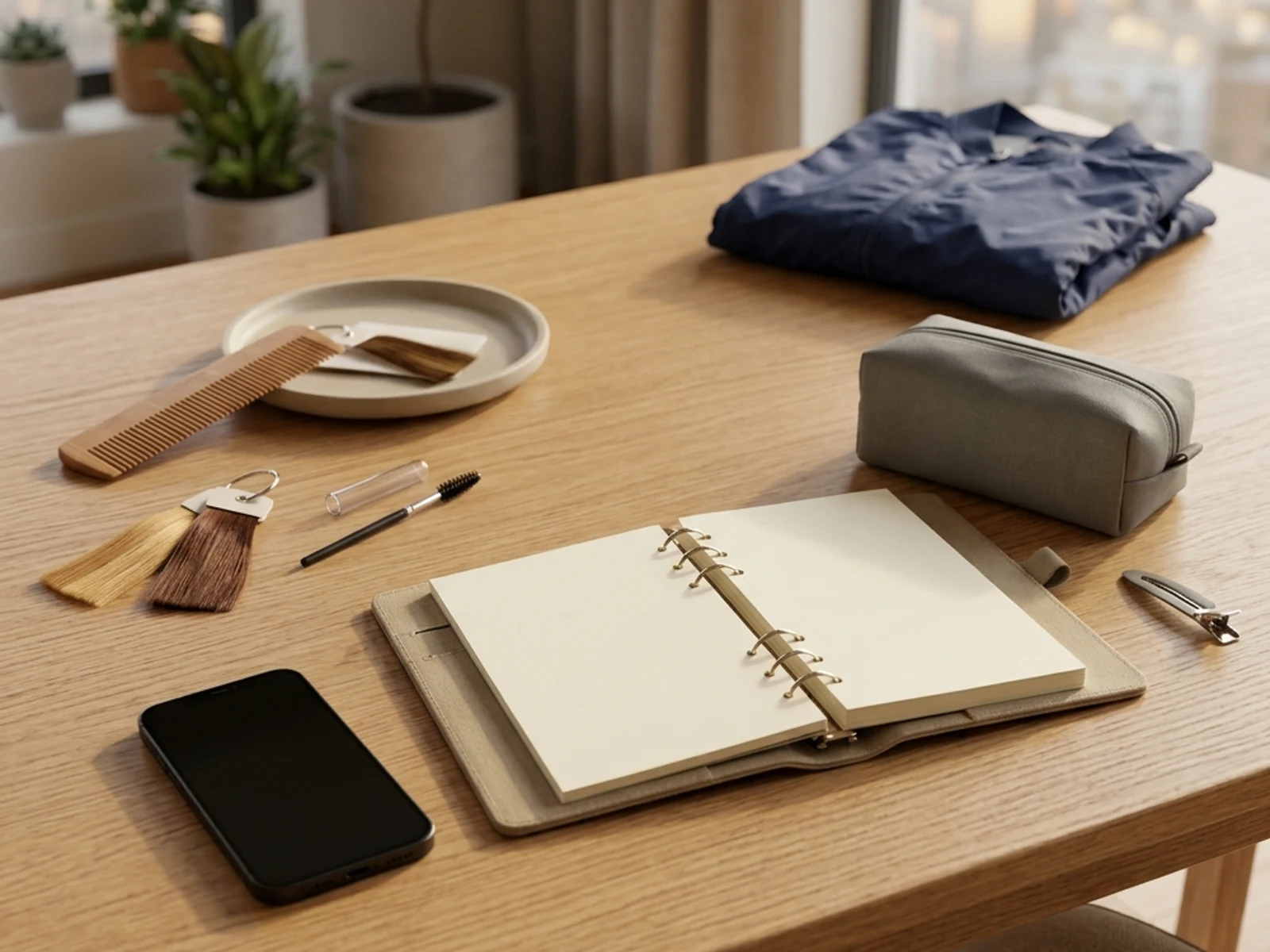
Routine by trip length
Weekend: Pack compact familiar basics and one forecast-dependent item. Add official sun-protection items for an outdoor mountain plan, and keep quantities small enough for the luggage plan. A salon appointment is useful only for a specific event or preference.
One week: Bring the established routine in travel-appropriate sizes plus enough of any hard-to-substitute product for the full stay. A pre-booked service makes sense only when it solves an itinerary need, such as event styling or maintenance already due. Otherwise, use the week to observe conditions without complicating the schedule.
Two to four weeks: Carry specialist preferences and enough ordinary product for the arrival period. Once the Alberta itinerary settles, decide whether full-size basics are worth buying. Haircut, colour or nail maintenance belongs only when it already fits your normal schedule, with the provider’s description and aftercare reviewed before booking.
Seasonal stay: Pack for the arrival period and one likely transition rather than every possible condition. Keep a small alternate moisturizer or hair product, replace ordinary bulky basics as they run out and compare providers before booking maintenance. The longer stay makes it possible to distinguish a recurring routine need from one brief weather response.
Relocation: Observe a real seasonal transition before changing several products. Keep familiar products stable while learning the destination, indoor environment and weekly schedule, then simplify or adjust based on actual use. Replace categories one at a time so it remains clear which change is useful. The Alberta salon directory is a starting point once a service need is clear.
Alberta beauty-planning mistakes to avoid
- Treating low humidity as constant across regions, seasons and indoor spaces
- Assuming the province is frizz-free or anti-frizz products are never useful
- Applying Calgary or Banff conditions to Edmonton, Fort McMurray or Lethbridge
- Treating a climate normal as a forecast for exact travel dates
- Presenting richer moisturizer, sun protection, deep conditioning or facials as beauty guarantees
- Linking Chinooks to makeup wear or product failure
- Promising specialist product availability in any community without evidence
Finding suitable salon services
The matching province directory is linked once in the relocation plan. Compare providers by service, destination and schedule rather than trying to book a “climate treatment.” The guide remains useful if you book nothing.
Frequently asked questions
How might a low-humidity Alberta stay change a cosmetic skin routine?
If you encounter low relative humidity, your skin may feel dry or tight. A richer moisturizer is an optional alternative to the familiar texture you packed. The response is not guaranteed, and no single humidity level applies to every destination or indoor space. Observe actual conditions before changing several products, especially on a short trip.
What cosmetic skincare should I pack for a trip to Banff?
Banff is about 1,397 metres above sea level and has a July daily average of 14.7°C. Bring a familiar moisturizer, lip balm and sun protection based on the current UV forecast and planned activity. Small backup textures are more useful than assuming every mountain day will be cold, sunny or dry.
Do I need a frizz-control product in Calgary or southern Alberta?
It depends on destination, forecast and hair response. Calgary averages 8.6 annual days with Humidex at or above 30, while Lethbridge averages 23.8. A familiar anti-frizz product may be useful for some warm-season southern trips, but it is not a requirement and should not be packed from the provincial label alone.
Why does Rocky Mountain elevation matter when checking the UV forecast?
Official guidance says more UV reaches higher places. Banff’s town elevation is about 1,397 metres, and an activity may occur higher still. Fresh snow can also reflect more than 80% of UV. Check the current forecast and follow the official precautions for the location and activity rather than relying on temperature.
What should I bring when travelling beyond major retail centres?
Because specialist inventory was not verified, bring enough hard-to-substitute products for the trip and enough ordinary basics for arrival. For a longer stay, check the retailers at the actual destination before deciding which bulky items to replace. Do not assume broad availability or scarcity from community size alone.
What should I pack for a winter weekend in Calgary?
Calgary Airport’s January daily average is −7.6°C, but the trip forecast matters more. Pack a cleanser, familiar moisturizer, lip balm, appropriate sun protection and one optional product for a likely need, such as hand cream or a leave-in. A compact weekend kit is usually more practical than testing several new products.
Can low relative humidity make nails more brittle?
Controlled research indicates that nail mechanics change with relative humidity and that nails can become more brittle at lower levels. That does not guarantee an Alberta-specific response. If the condition is familiar to you, cuticle oil and hand cream are optional grooming items, not products that promise to prevent breakage.
What is a cosmetic scalp-care service?
It is a provider-defined grooming service focused on cosmetic scalp comfort. The included steps vary, so review the salon’s description before booking. It is optional, and this guide does not use it as a response to a clinical concern or present it as necessary for Alberta travel.
Final practical summary
Alberta beauty planning comes down to destination, season, elevation, trip length and personal observation. A small routine with one optional richer texture or humidity-response product covers more situations than a province-wide packing formula. Check the forecast, bring products you trust and treat salon services as optional conveniences.
The scope is cosmetic comfort, packing and optional appointment planning; diagnosis and clinical care are outside it.
Ready to compare salons?
Move from guide reading into local discovery with service pages, city pages, and featured salon profiles.