
Guide
Quebec Beauty Travel Guide: Adapting Hair, Skin and Makeup Routines
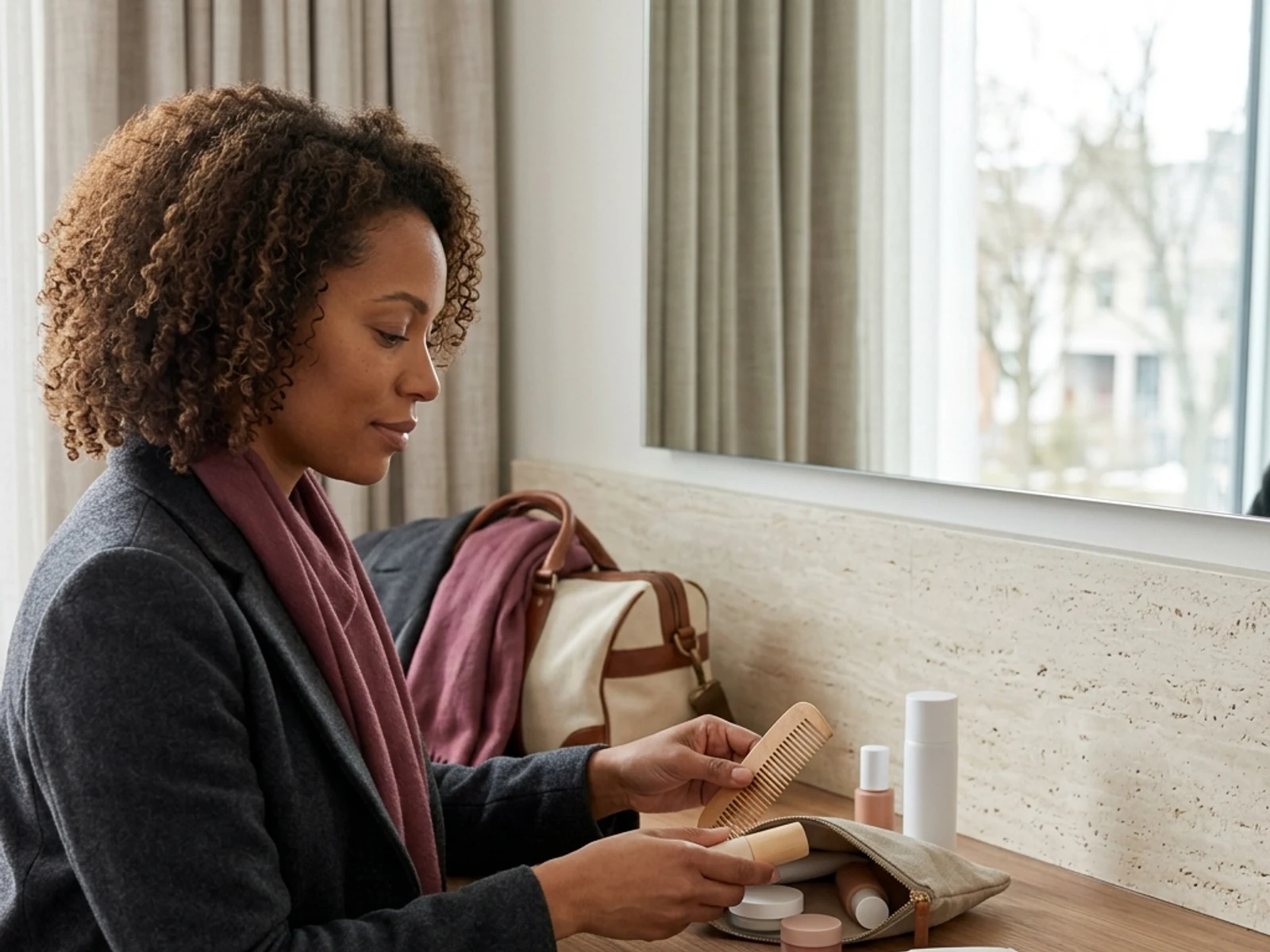
Quebec does not have one beauty-travel climate. Montréal’s warm, humid-feeling summers, colder inland winters, the windier Îles-de-la-Madeleine and Kuujjuaq’s much longer cold season call for different packing decisions. Check your destination, season and forecast, then build a small, flexible kit around products you already know.
What travellers should know before changing their routine
Start with a familiar core: a gentle cleanser, a moisturizer and a lip balm. Add one or two items only when the destination, season or planned activity makes them useful.
A summer trip to southern Quebec may justify a lightweight hair product if your hair reacts to humidity. For winter, a richer moisturizer or hand cream may be useful if cold, wind or indoor conditions leave you feeling dry. Neither adjustment is universal, and a short visit rarely calls for replacing an entire routine.
Snow can reflect substantial ultraviolet radiation, or UV. For outdoor winter plans, check the current local UV forecast and follow official sun-safety guidance rather than relying on a single cosmetic product.
Salon services are optional planning choices throughout this guide. They are not remedies for climate or weather.
A practical order for making decisions
Start with the parts of the trip that are known: destination, dates, planned outdoor time, luggage space and any event already on the calendar. Next, check the forecast close enough to departure to make it useful. Only then decide whether one conditional product belongs beside the core routine. This order prevents a Montréal summer statistic, a northern winter average or an island wind pattern from becoming a packing rule for the entire province.
Separate comfort products from appointment decisions. A small moisturizer backup can travel without changing the itinerary; a colour, smoothing or lash appointment requires time, provider research and aftercare. If the trip is short, the simpler product choice will often be easier to reverse. If the stay is long, you can wait, observe and compare local options before committing to a service.
Seasonal beauty planning at a glance
Use this table as a packing framework, not a forecast. Actual conditions vary by destination and year.
| Period | Regional context | Hair planning | Skin and lip planning | Nails and makeup |
|---|---|---|---|---|
| Winter, usually December–March | The cold season lasts longer in the north; snowfall and temperature vary widely | Pack static-control or leave-in product only if flyaways are common for you | Consider a richer moisturizer if you feel dry; carry lip balm for outdoor plans; check the UV forecast on bright snowy days | Hand cream is optional; water-resistant eye makeup may be convenient for snow or wind |
| Spring, usually April–May | Warming and remaining snow vary by latitude and region | Small, flexible styling products make it easier to adjust | Carry a familiar mid-weight moisturizer or two small texture options | Continue routine nail and cuticle care |
| Summer, usually June–August | The southern corridor is warmer and has more humid-feeling days than the selected eastern and northern stations | Anti-frizz or lightweight styling product may be useful in the south if your hair reacts to humidity | Choose a lighter lotion only if you prefer it; check the local UV forecast | Setting spray is optional for active or event days |
| Autumn, usually September–November | Cooling occurs at different rates across the province | Change products gradually as conditions change | Carry a small richer option instead of choosing a fixed switch date | Keep the routine flexible for the itinerary |
How conditions vary across Quebec
Climate normals are long-term averages, not forecasts. The selected Environment and Climate Change Canada stations show why one province-wide routine would be misleading.
Southern and St. Lawrence corridor
Montréal–Trudeau has a January daily average of −9.2°C and a July daily average of 21.7°C. July averages 17.7 days when the Humidex reaches or exceeds 30. Québec/Jean Lesage has a July average of 19.5°C and substantial snowfall in the core winter: 69.1 cm in January, 64.3 cm in February and 75.7 cm in December.
For a warm-season visit around Montréal, a familiar lightweight or anti-frizz hair product may be practical if your hair tends to react to humidity. For winter, pack a flexible moisture option rather than assuming every building will feel the same.
Western and central inland
Val-d’Or has a January daily average of −16.3°C, a July average of 17.7°C and 56.6 days per year when the minimum falls below −20°C.
Someone travelling inland from Montréal in winter should use the destination forecast instead of extending Montréal’s average to the rest of the route. A richer moisturizer, lip balm or hand cream can remain a small backup rather than the basis of an entirely new routine.
Saguenay–Lac-Saint-Jean inland
Bagotville has a January daily average of −15.1°C, a July average of 18.7°C and annual snowfall of 301.7 cm. It provides a useful colder, snowier inland contrast with the southern corridor.
For travel planning, that contrast supports bringing flexible winter options. It does not establish how every person’s hair, skin or nails will respond.
Eastern and coastal Quebec
The east is not one uniform mild coast. Gaspé has a January daily average of −11.1°C and annual snowfall of 385.3 cm. Îles-de-la-Madeleine, by contrast, has a milder January average of −5.5°C and an annual mean wind speed of 22.8 km/h.
For the islands, a secure hairstyle, lip balm or water-resistant eye makeup may be convenient for windy outdoor plans. For Gaspé, rely on its forecast and itinerary rather than the islands’ milder average.
Northern Quebec
Kuujjuaq illustrates a much longer, colder season than the southern stations: its January daily average is −23.3°C, its July average is 12.5°C and it averages 94.3 days per year with minimums below −20°C.
Pack for the current northern forecast and the availability of indoor storage during the day. A compact routine with familiar moisture and lip products leaves room to adjust without assuming that cool summer averages dictate a particular hair product.
Adjusting when arriving from a different climate
These scenarios describe possible transitions, not guaranteed personal reactions.
| If you are arriving from… | What you may notice | Practical first step |
|---|---|---|
| A more humid climate | A winter destination or indoor space may feel drier than expected | Observe first, then use a richer moisturizer or leave-in conditioner if useful |
| A drier climate | Warm-season humidity in the southern corridor may affect familiar styling | Bring one known humidity-response product if your hair tends to react |
| A warmer climate | Winter cold may require more clothing layers and a more flexible cosmetic kit | Pack lip balm, hand cream and a small richer moisturizer option |
| A colder climate | A southern summer may feel warmer and more humid | Consider a lighter texture or event-day setting product if preferred |
| A coastal climate | Inland destinations may be colder in winter than the coast you know | Check the exact destination forecast and avoid packing from the provincial label alone |
| An inland climate | Some eastern locations, especially the islands, are windier | Consider a secure hairstyle, lip balm or water-resistant eye makeup for outdoor plans |
Bring enough familiar basics for arrival. If the trip is long enough to justify a purchase, decide after seeing the real conditions and your actual product use.
Hair care by season and region
Relative humidity can affect hair moisture response, and some hair may become frizz-prone or lose its style during humid southern periods. This is most relevant to warm-season travel in the southern corridor, not to Quebec as a whole.
For winter, a familiar leave-in conditioner, serum or oil may be useful if you notice flyaways or static. These are optional responses, not guaranteed fixes. Use a heat-protection product only when you plan to use heated styling tools.
Seasonal hair decisions can stay simple:
- In a southern summer, bring one lightweight or anti-frizz product if it already works for your hair.
- In winter, pack a leave-in or hair oil only if it is part of your routine or you commonly notice static.
- In spring and autumn, small product sizes allow you to respond to the forecast without overpacking.
- For curly or textured hair, familiar products are usually easier to plan around than several untested alternatives.
The Canadian winter haircare article covers broader routine options without turning this destination guide into a full winter regimen. Travellers researching professional smoothing choices can also compare salon options for frizzy hair before deciding whether an appointment belongs in the itinerary.
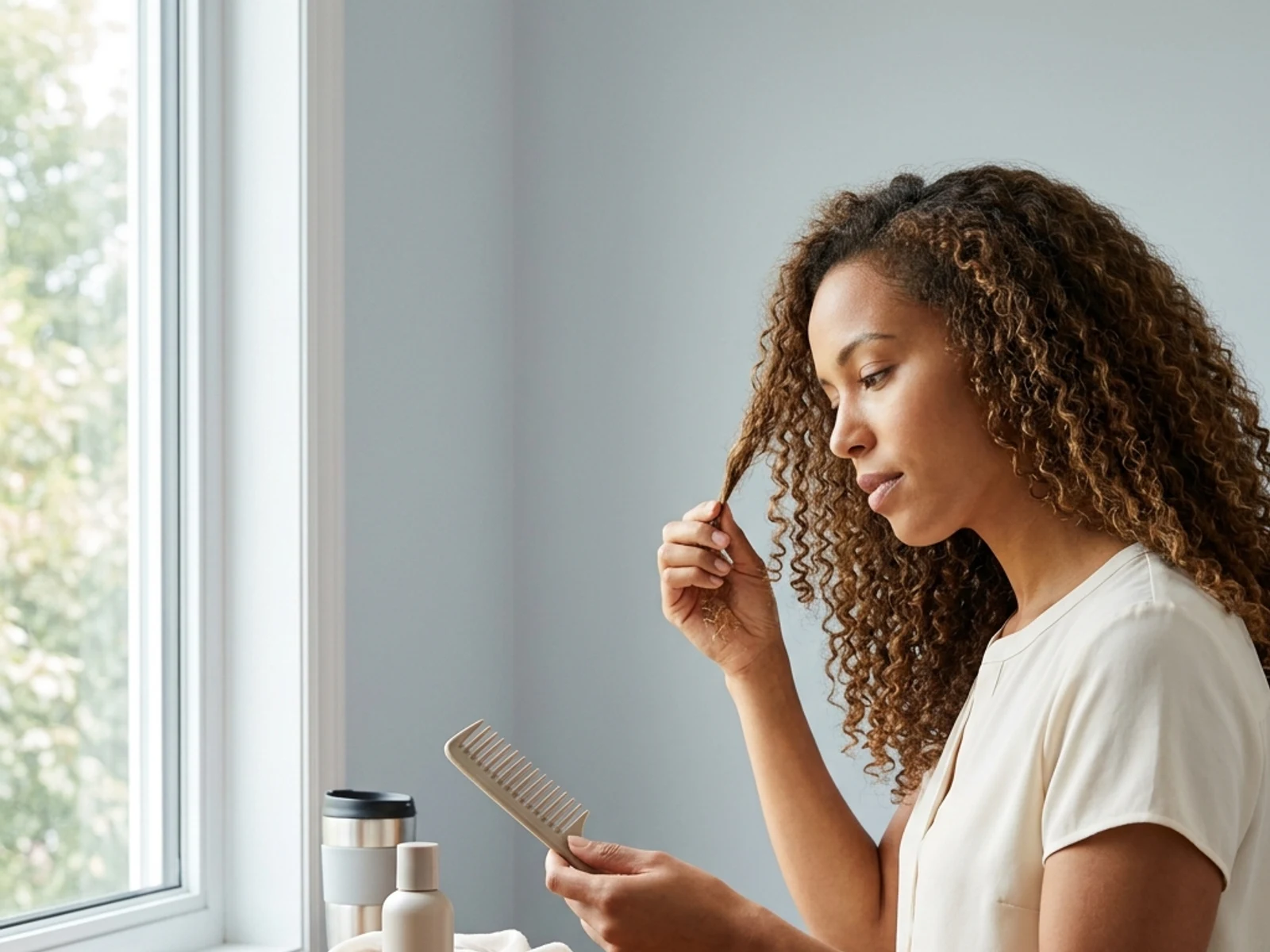
Cosmetic scalp comfort while travelling
Keep scalp guidance cosmetic and simple. If your scalp feels dry, a familiar gentle cleansing routine and a lighter product load may be easier to evaluate than several simultaneous changes.
A cosmetic scalp-care service is an optional grooming choice whose contents vary by provider. Review the service description before booking, and use the cosmetic scalp care guide for broader service-planning questions. This guide does not address clinical scalp concerns.
Skin and lip routine adjustments
A gentle cleanser and familiar moisturizer form a practical core. Texture changes depend on what you actually experience.
In winter, if an indoor space feels dry and your usual moisturizer no longer feels comfortable, a richer texture is a reasonable alternative. Lip balm is an optional convenience for cold or windy outdoor plans. In a warm southern summer, a lightweight lotion may feel more comfortable, but that is a texture preference rather than a necessity.
Fresh snow can reflect more than 80% of UV, and bright snow can nearly double exposure. Check the current local UV forecast and follow Environment and Climate Change Canada’s precautions for the planned activity. Those precautions are official guidance, not a cosmetic performance claim.
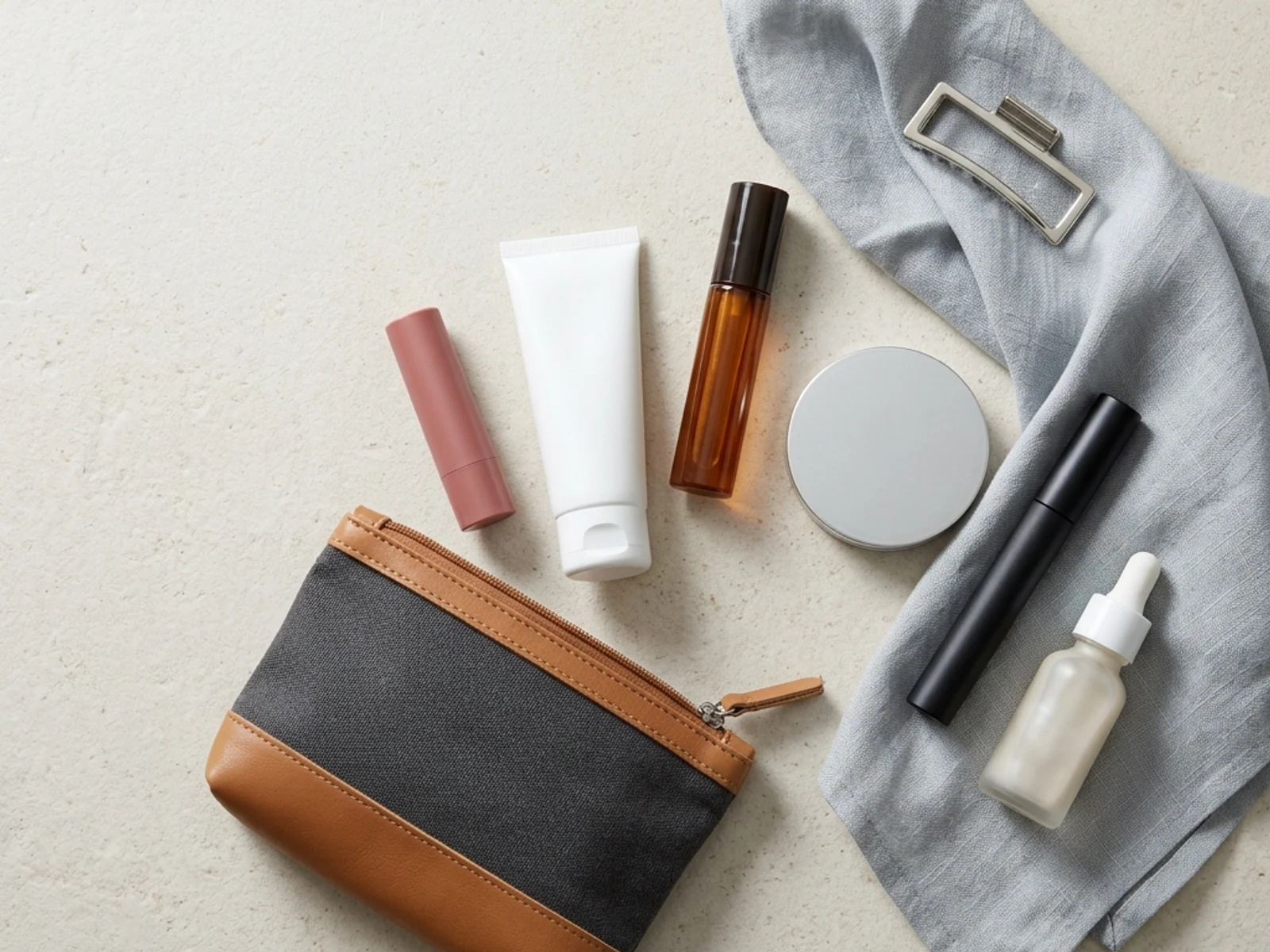
Nails and cuticles during a visit or move
Controlled research shows that low relative humidity can make nails more brittle. If you tend to notice brittle-looking nails or dry-looking cuticles under those conditions, cuticle oil and hand cream are reasonable optional items. The research does not establish cold-weather polish failure or guarantee that a product will prevent breakage.
For a longer stay or event, a manicure is an ordinary grooming option. Schedule it around the itinerary and personal preference rather than treating it as a climate response.
Brows, lashes and makeup
For humid or active summer event days in the south, a setting product is optional. For snow, wind or wet outdoor plans, water-resistant eye makeup may reduce smudging. Neither choice guarantees a specific wear time.
A professional makeup application can be useful for a wedding or event when it suits the schedule. Brow shaping is ordinary maintenance. If you are considering a lash service, leave enough time to follow that provider’s aftercare; no province-wide weather rule or lash-retention claim applies.
What beauty products to pack
Use this as a decision checklist, not a requirement list. Choose categories you already use and omit those that do not fit the trip.
Core possibilities:
- Gentle cleanser and familiar moisturizer
- Lip balm
- Sun protection that follows official guidance for the forecast and activity
- Leave-in conditioner, serum or oil if it belongs in your routine
- Heat-protection product only if using heated tools
Conditional additions:
- Anti-frizz or lightweight styling product for a humid southern trip if your hair reacts
- Small richer moisturizer option for cold or dry-feeling conditions
- Hand cream and cuticle oil if useful to you
- Setting spray or water-resistant eye makeup for a specific event or outdoor plan
- Travel-size deep conditioner for a longer stay
- Lightweight lotion for a warm southern visit if preferred
- Dry shampoo for itinerary convenience, not because of climate
Before closing the bag, check that containers suit the trip length, that anything likely to leak is secured and that the kit still fits the luggage plan. Those practical checks matter more than adding every conditional category.
Keep seasonal flexibility without doubling the kit
A transition-season trip does not require two complete routines. One familiar moisturizer plus a small richer alternative offers more flexibility than two full-size sets. The same approach works for hair: pack the everyday product and one small humidity- or static-response option only when past experience supports it. Makeup can follow the event plan rather than the season label; a water-resistant eye product or setting product may be enough for the specific day.
For a multi-region itinerary, place hard-to-replace products in the main kit and keep the forecast-dependent item accessible. Recheck conditions before the inland, coastal or northern part of the trip instead of trying to predict every stop at home. This preserves regional awareness without turning the packing list into a product roundup.
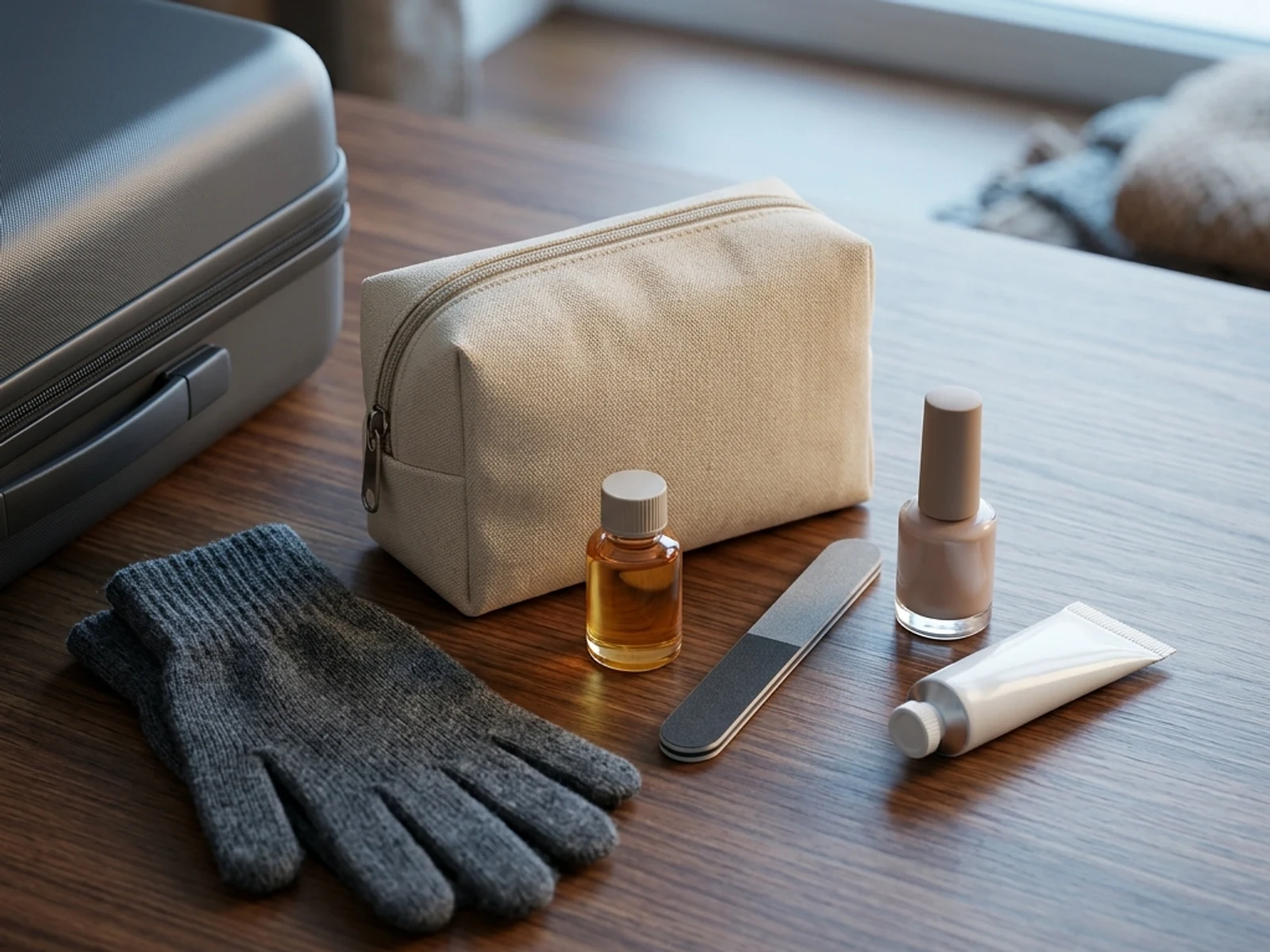
What to bring and what to buy after arrival
No specific retailer or community inventory was verified. The useful distinction is between hard-to-substitute personal preferences and ordinary bulky basics.
| Product category | Bring when… | Consider buying after arrival when… | Planning limit |
|---|---|---|---|
| Familiar moisturizer | It is difficult for you to substitute or the trip is short | A longer stay justifies a full-size basic | Bring enough for arrival; do not assume a particular local product is stocked |
| Lip balm | It is a preferred everyday product | You need an ordinary replacement during a longer stay | Treat it as a convenience, not a climate requirement |
| Anti-frizz product | Your hair reacts to humidity and the southern forecast supports it | You are settling in and can compare options without urgency | Not a province-wide need |
| Hair serum, oil or leave-in | It is part of your established routine | A longer stay makes a full size more practical | Pack a travel size for a short trip |
| Hand cream | You strongly prefer a particular formula | Luggage space matters more than the exact product | Optional and condition-dependent |
| Deep conditioner | It is hard to substitute | The stay is long enough to evaluate an ordinary local option | A keratin treatment is a separate salon decision |
For professional product purchases, the article on checking professional skincare authenticity provides evaluation questions without promising Quebec inventory.
Salon services travellers may consider
The service should solve an itinerary or maintenance need, not an assumed climate problem.
| Service | Useful scenario | Timing approach | Limit |
|---|---|---|---|
| Blowout | Event or personal styling preference | Close enough to the event to suit the plan | No humidity-proof finish |
| Deep-conditioning service | Longer stay or familiar maintenance | When convenient after arrival | Cosmetic service, not repair |
| Cosmetic scalp-care service | Grooming or comfort interest | After reviewing the provider’s description | Non-clinical and optional |
| Haircut | Routine maintenance or relocation | Any convenient point | Not a climate necessity |
| Hair colour maintenance | Longer stay | Leave time for provider aftercare | No fading or weather promise |
| Smoothing service | A service the traveller already wants | Consult the provider before travel or after arrival | Not required for southern humidity |
| Manicure | Grooming or event | Fit it around activities | No durability guarantee |
| Pedicure | Grooming, spa or open-shoe plan | Fit it around activities | Seasonal preference only |
| Makeup application | Wedding or event | Event day or provider-recommended time | No weatherproof result |
| Brow shaping | Routine grooming | Use the traveller’s usual event buffer | Ordinary appointment |
Before booking, confirm what the provider calls the service, what is included, how its aftercare fits the trip and whether the location works with the day’s transport. A familiar maintenance appointment is easier to evaluate than a new service chosen because of a broad seasonal assumption. For an event, work backward from the event time and leave room for ordinary travel delays and the provider’s instructions. For relocation, compare providers after the immediate arrival tasks are settled; there is no climate reason to book during the first days.
Services to schedule carefully
For smoothing, lash, waxing, facial or colour services, choose a time when you can follow the individual provider’s aftercare and still complete the planned activities. No universal waiting period was verified, so this guide does not provide one.
Avoid booking several unfamiliar services merely because the stay is longer. A provider’s own service description and aftercare requirements should control the decision.
Routine by trip length
Weekend: Pack compact familiar basics and one forecast-dependent item. Keep quantities small enough for the luggage plan, and do not spend limited trip time searching for substitutes you could easily bring. A salon appointment is useful only for a specific event or preference.
One week: Bring the established routine in travel-appropriate sizes plus enough of any hard-to-substitute product for the full stay. Pre-book a service only when it solves an itinerary need, such as event styling; otherwise, the week gives enough time to observe conditions without complicating the schedule.
Two to four weeks: Bring hard-to-substitute preferences and enough basics for arrival, then consider buying bulky ordinary products when actual use justifies it. Routine haircut, colour or nail maintenance may become relevant if it already falls within your normal schedule. Confirm the service description and aftercare before reserving part of the trip.
Seasonal stay: Pack for the arrival period plus one likely transition rather than every possible condition. Use small backup textures, monitor the destination forecast and replace bulky basics as they run out. A seasonal stay provides enough time to compare providers, learn which products are genuinely difficult to substitute and separate a recurring routine need from a one-day weather response.
Relocation: Observe a real seasonal transition before changing several products. Keep familiar products stable while learning the destination, indoor spaces and weekly schedule, then simplify or adjust based on actual use. Replace items one category at a time so it remains clear which change is useful. The Quebec salon directory is a starting point for comparing local services once a need is clear.
Quebec beauty-planning mistakes to avoid
- Treating Montréal’s summer humidity as a province-wide condition
- Treating Gaspé and Îles-de-la-Madeleine as one uniform coast
- Treating climate normals as forecasts for exact travel dates
- Assuming every heated indoor space has the same relative humidity
- Presenting rich moisturizer, anti-frizz products or salon services as necessities
- Promising specialist product availability in any community without evidence
Finding suitable salon services
The matching province directory is linked in the relocation plan so it appears once in a strong discovery context. Compare providers by the service needed, destination and schedule. The guide remains complete even if you book nothing.
Frequently asked questions
What cosmetic skincare should I pack for a winter trip to Québec City?
Start with a gentle cleanser, familiar moisturizer, lip balm and sun protection that follows the local forecast and official guidance. Québec/Jean Lesage records substantial core-winter snowfall, so bright snowy outdoor plans make checking the UV forecast especially relevant. Add hand cream or a richer moisturizer only if you commonly use them or conditions leave you feeling dry.
Do I need a frizz-control product everywhere in Quebec?
No. Humidity-response planning is most relevant to warm-season travel in the southern corridor. Montréal–Trudeau averages 17.7 July days with Humidex at or above 30, while the selected eastern and northern stations are cooler. Pack a familiar anti-frizz product only when your destination, forecast and hair response justify it.
What should I bring when travelling outside major retail centres?
Because specialist inventory was not verified, bring enough hard-to-substitute products for the trip and enough ordinary basics for arrival. For a longer stay, decide which bulky basics to replace only after checking the shops available at the actual destination. Do not assume either broad availability or scarcity from community size alone.
Why does snow reflection matter when checking the UV forecast?
Fresh snow can reflect more than 80% of UV, and bright snow can nearly double exposure. That makes the current local UV forecast relevant to winter outdoor plans. Follow the official precautions for the forecast and activity instead of assuming cold temperatures or cloud automatically remove the need to check.
What should I pack for a winter weekend in Montréal?
Pack a compact familiar routine: cleanser, moisturizer, lip balm, appropriate sun protection and one optional item for a likely need, such as hand cream or a leave-in product. Check the forecast before leaving. A weekend is usually too short to justify multiple new products or an appointment that does not serve an event.
What is a cosmetic scalp-care service?
It is a provider-defined grooming service focused on cosmetic scalp comfort. The included steps vary, so review the salon’s description before booking. It is optional, and this guide does not use it as a response to a clinical concern or present it as necessary for Quebec travel.
When might a richer moisturizer be useful in Quebec?
A richer texture may be useful when cold, wind or an indoor environment leaves your usual moisturizer feeling insufficient. It is most likely to enter the packing decision for winter or a seasonal transition, but it remains an optional texture choice. Start with the product you know and change only if needed.
How can I plan makeup for a winter event in Quebec?
Choose familiar products, allow realistic touch-up time and consider water-resistant eye makeup for snow or wind. A professional appointment is optional. No formula or service guarantees a specific wear time, so base timing on the event schedule and the provider’s instructions rather than a long-range weather assumption.
Final practical summary
Quebec beauty planning comes down to destination, season, trip length and personal observation. A small routine that can accommodate one richer winter option or one lighter humidity-response product covers more situations than a province-wide packing formula. Check the local forecast, bring products you trust and treat salon services as optional conveniences.
This guide covers cosmetic appearance, comfort, packing and appointment planning only. It does not address diagnosis or clinical care.
Ready to compare salons?
Move from guide reading into local discovery with service pages, city pages, and featured salon profiles.